A short educational video breaks down how engine and road vibrations impact critical vehicle components, offering practical insights for track and rally enthusiasts preparing their cars for high-performance driving.
The video targets a specific audience: drivers who push their machines hard and need to understand the mechanical stresses at work. Vibration management separates a reliable track car from one prone to premature failure. Different hardware responds to vibrations in distinct ways. Fasteners loosen under cyclic stress. Electrical connectors corrode when micro-vibrations force contacts apart. Fuel lines chafe against mounting points. Engine mounts degrade. Cooling system hoses flex until they crack.
Professional racing teams obsess over vibration isolation because the consequences are real. A loose bolt falls out at speed. A corroded electrical connection kills ignition mid-corner. A ruptured fuel line means fire or shutdown. Rally drivers face this constantly on rough terrain where suspension articulation amplifies movement throughout the entire vehicle.
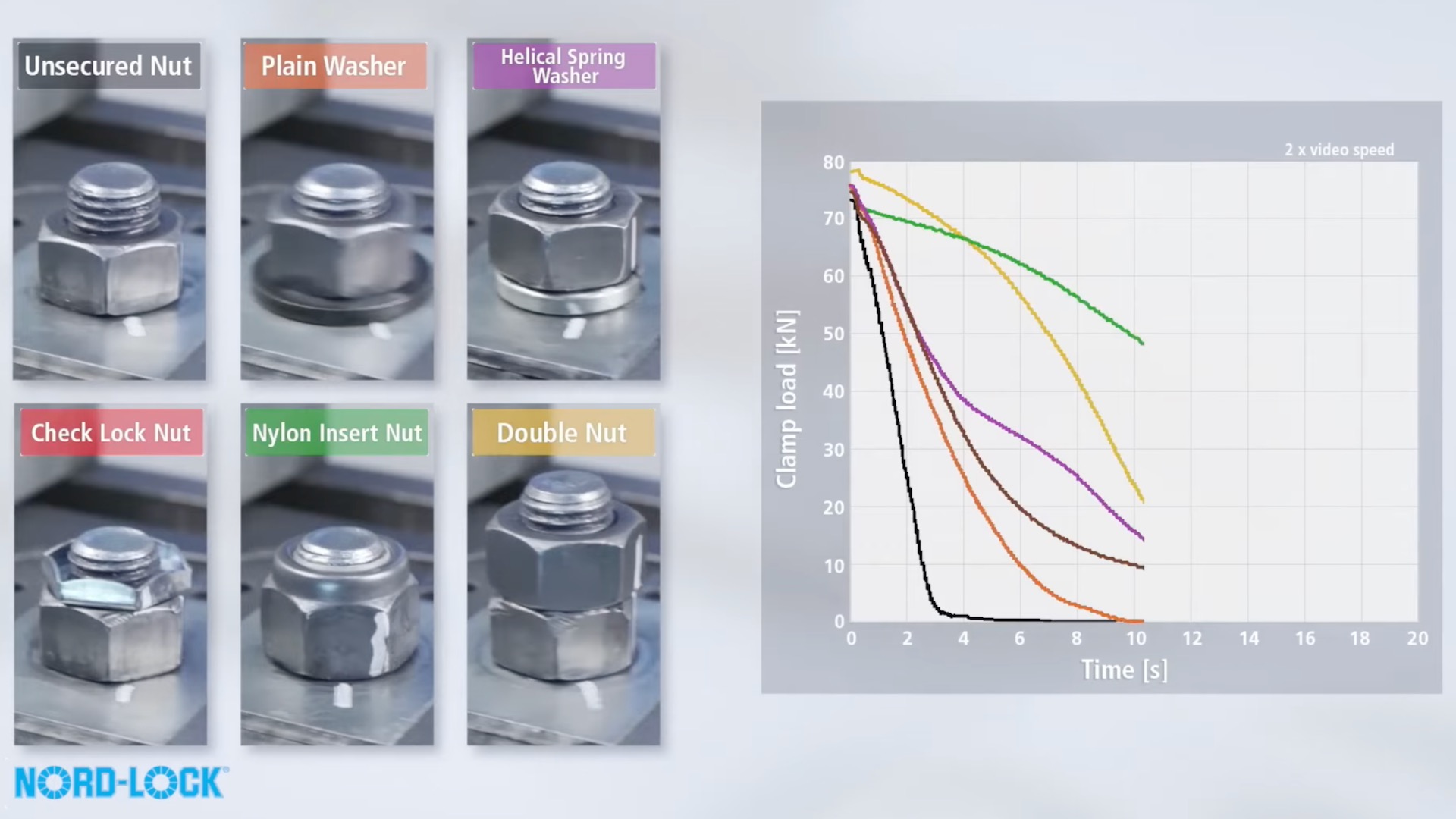
The explainer appears designed for DIY track day enthusiasts and amateur rally competitors who lack formal engineering training but understand that attention to detail wins races and prevents catastrophic failures. It translates complex physics into actionable knowledge. Drivers learn why threadlocker matters on critical fasteners. They understand why vibration-damping tape serves a purpose beyond cosmetics. They recognize that securing hoses, cables, and lines with proper clamps prevents chafing that eventually ruptures components.
This type of content fills a gap in automotive education. Factory service manuals cover maintenance but rarely explain the physics. YouTube channels show how to perform modifications but often skip the engineering rationale. This video connects theory to practice in digestible form.
For track day regulars and rally competitors, this knowledge directly impacts reliability and safety. A two-minute explanation of vibration mechanics could prevent a seized engine, electrical failure, or worse on track. That makes it genu