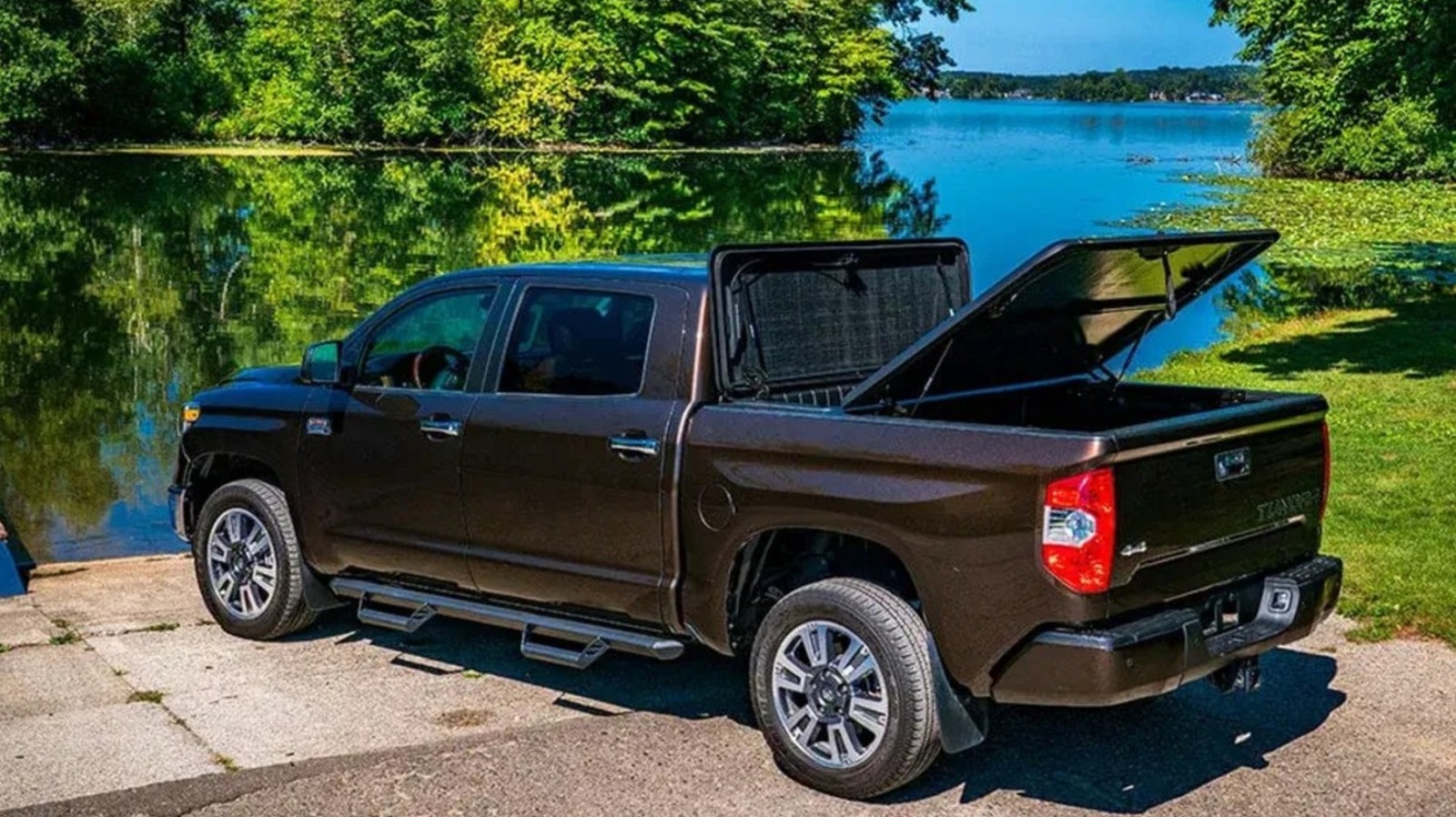
Pickup truck owners often want maximum bed utility without sacrificing weather protection, and pairing a tonneau cover with a tool box addresses that desire. The combination works mechanically, but practical compromises emerge.
Tool boxes mounted in truck beds occupy critical real estate. Standard tonneau covers, whether roll-up, folding, or retractable models, can technically fit over a mounted tool chest. However, several issues arise. First, the tonneau no longer seals flush against the bed, creating gaps that allow water and dust infiltration around the box perimeter. Second, tonneau covers reduce to single-wall thickness in high-traffic areas, accelerating wear where the cover contacts the tool box edges. Third, accessing tools requires full tonneau retraction, negating the speed advantage of quick-access tooling.
Manufacturers offer workarounds. Some tonneau suppliers produce covers with cutouts or notches designed specifically for popular tool box dimensions, improving weatherproofing and reducing contact wear. These specialty covers cost more than standard versions. Alternatively, truck owners can install collapsible or removable tool chests that don't permanently obstruct the bed, trading storage convenience for tonneau compatibility.
Bed length matters too. A standard 5.5-foot bed loses usable cargo space quickly with a mounted tool box plus tonneau combination. Crew cab trucks with 5.5-foot beds face the tightest constraints. Full-size beds on regular-cab trucks absorb the footprint more easily.
The real consideration boils down to priority. Drivers hauling tools daily to job sites might accept tonneau compromises for box security and weather protection during transit. Occasional users who value unrestricted cargo hauling should choose between a tool box or tonneau, not both. Truck bed organizers and weather-resistant storage bags offer middle-ground solutions without the structural conflicts.
The tonneau