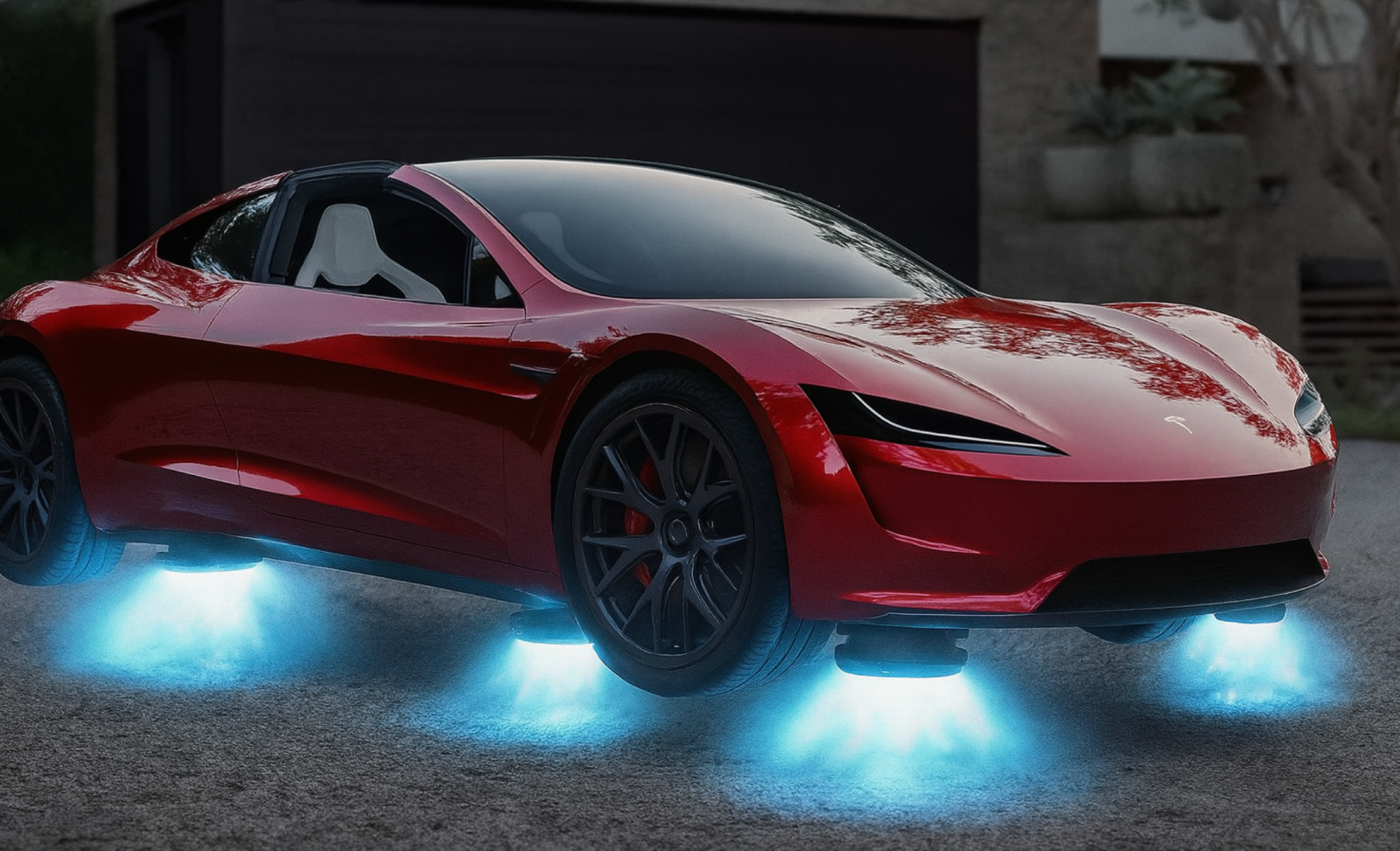
Tesla has delayed its next-generation Roadster public demonstration to August or later as development of the vehicle's SpaceX cold gas thruster system continues. The demo, planned for Texas, will showcase the propulsion technology that Tesla claims enables extreme acceleration and potential vertical lift capability.
The Roadster prototype first appeared nearly nine years ago. The thruster integration represents one of the vehicle's most controversial features. SpaceX's cold gas system uses compressed nitrogen to produce directional thrust, theoretically allowing the electric vehicle to achieve unconventional performance metrics.
This delay reflects ongoing engineering challenges with the thruster package. Tesla originally promised the Roadster in 2017, then 2020, then repeatedly pushed timelines. Adding SpaceX hardware to an automotive platform introduces complexity that traditional manufacturers avoid. The integration requires safety validation, durability testing, and regulatory clarity that doesn't yet exist.
The Roadster remains vaporware in practical terms. Tesla has collected customer deposits for years while the project languished. Competitors like Porsche launched the Taycan, Mercedes delivered the AMG EQS, and Lotus released the Eletre. None added thrusters, focusing instead on conventional electric powertrains that deliver tangible performance.
The thruster concept itself raises questions. Marketing a production vehicle that lifts off the ground creates liability and insurance nightmares. Regulators have not approved such functionality for road-legal cars. Tesla frames it as capability, not requirement, but engineering a system that can hover changes the entire vehicle architecture from suspension geometry to structural integrity.
The August timeline suggests Tesla still targets 2025 demonstration, though history indicates further delays remain likely. SpaceX's own projects experience timeline slippage routinely. Combining two Elon Musk companies known for ambitious deadlines and missed targets sets low confidence levels.
The Roadster continues as Tesla's most delayed