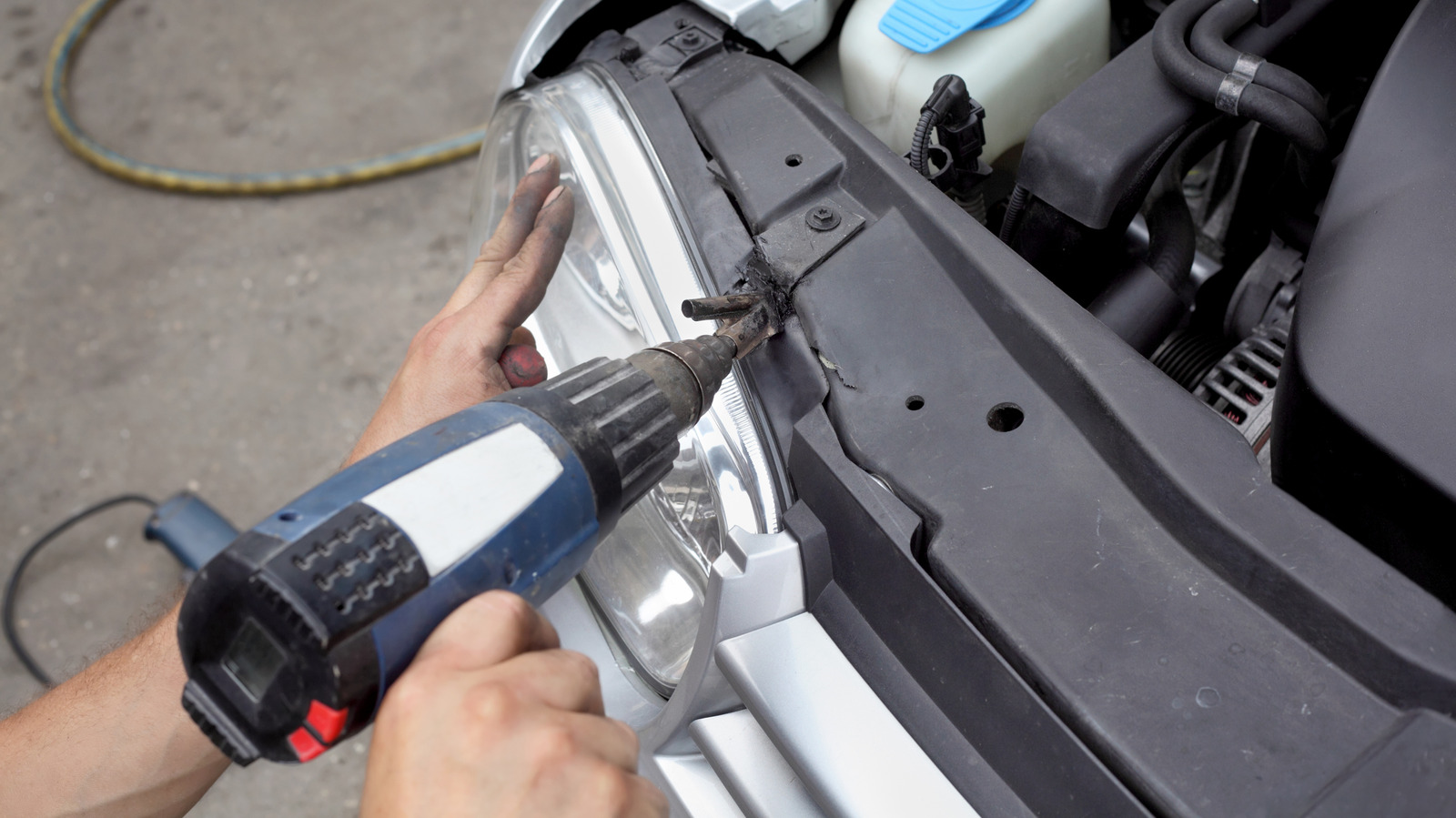
Automotive repair shops increasingly choose between plastic welding and adhesive bonding when fixing cracked bumpers and body panels. Each method carries distinct tradeoffs that affect durability, cost, and repair quality.
Plastic welding creates a molecular bond by melting plastic surfaces together. This produces stronger joints than adhesives alone, especially for structural components. Welded repairs typically last longer under stress and temperature fluctuations. The downside: welding requires specialized equipment, trained technicians, and more labor time. It also risks warping thin plastic if heat isn't carefully controlled. Modern bumpers, primarily made from polypropylene, tolerate welding reasonably well, but the process demands precision.
Adhesive bonding works faster and costs less upfront. Two-part epoxies and polyurethane adhesives bond effectively to plastic surfaces when properly applied. Shops can complete repairs in hours rather than days. The catch: adhesive strength depends heavily on surface preparation, curing time, and environmental conditions. Moisture, temperature extremes, and UV exposure gradually weaken adhesive bonds over time. Failed adhesive repairs often resurface within months of hard winter driving.
For cosmetic bumper cracks, adhesive makes economic sense. Many insurance companies prefer adhesive repairs because they're cheaper and faster, reducing labor costs. For structural damage or load-bearing panels, welding delivers superior longevity. Some technicians combine both methods. they weld the primary joint for strength, then use adhesive to seal and reinforce edges.
The choice hinges on repair scope and budget. A minor surface crack on a bumper cover accepts adhesive treatment easily. Deep structural damage to body panels justifies the welding investment. Vehicle age matters too. Spending hours welding a fifteen-year-old car rarely makes financial sense, while a newer vehicle warrants the better repair.
Material variations complicate