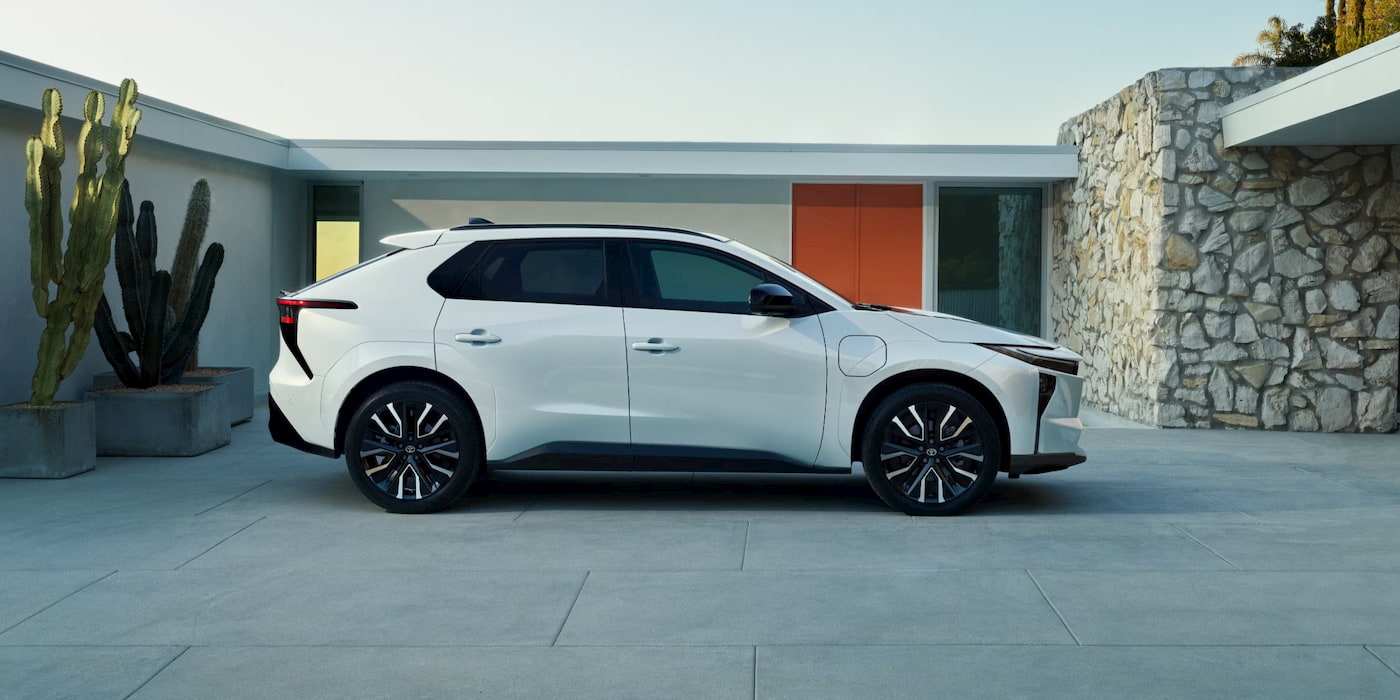
Toyota's electric SUVs have become unexpected bestsellers across multiple markets, yet the automaker is inexplicably pulling back investment in its EV lineup. The bZ4X and other new battery-electric models are performing well enough to rank among top sellers in their segments, proving that Toyota finally cracked the code on building EVs with genuine consumer appeal.
This contradiction raises troubling questions about Toyota's EV strategy. The company spent years insisting hybrids were sufficient, ceding ground to Tesla, BYD, and legacy competitors who committed aggressively to electrification. Now that Toyota's bZ-series vehicles demonstrate real market traction, the company appears to lose momentum at precisely the wrong moment.
Toyota's historical caution around pure-electric vehicles stemmed from legitimate concerns about battery supply, charging infrastructure, and cost structures. Those obstacles remain real. But strong sales numbers for the bZ4X suggest consumer acceptance has shifted faster than Toyota anticipated. Buyers are clearly willing to purchase Toyota's take on electric SUVs, valuing the brand's reliability reputation and established service networks.
The timing makes no strategic sense. Competitors are ramping production and expanding model lineups. General Motors, Volkswagen, and Chinese EV makers are flooding the market with new electric vehicles designed to capture precisely the customers Toyota's bZ vehicles are currently attracting. Walking back investment now hands those sales to rivals.
Toyota's apparent hesitation may reflect internal organizational friction between its hybrid advocacy group and its EV transition team, a dynamic that has historically slowed the company's decision-making. The automaker also faces supplier constraints and manufacturing retooling costs that could justify temporary caution.
But the window for establishing EV market leadership closes quickly. Toyota built trusted electric vehicles that people demonstrably want. Maintaining momentum through expanded production and additional model variants would cement that position. Pumping the brakes now