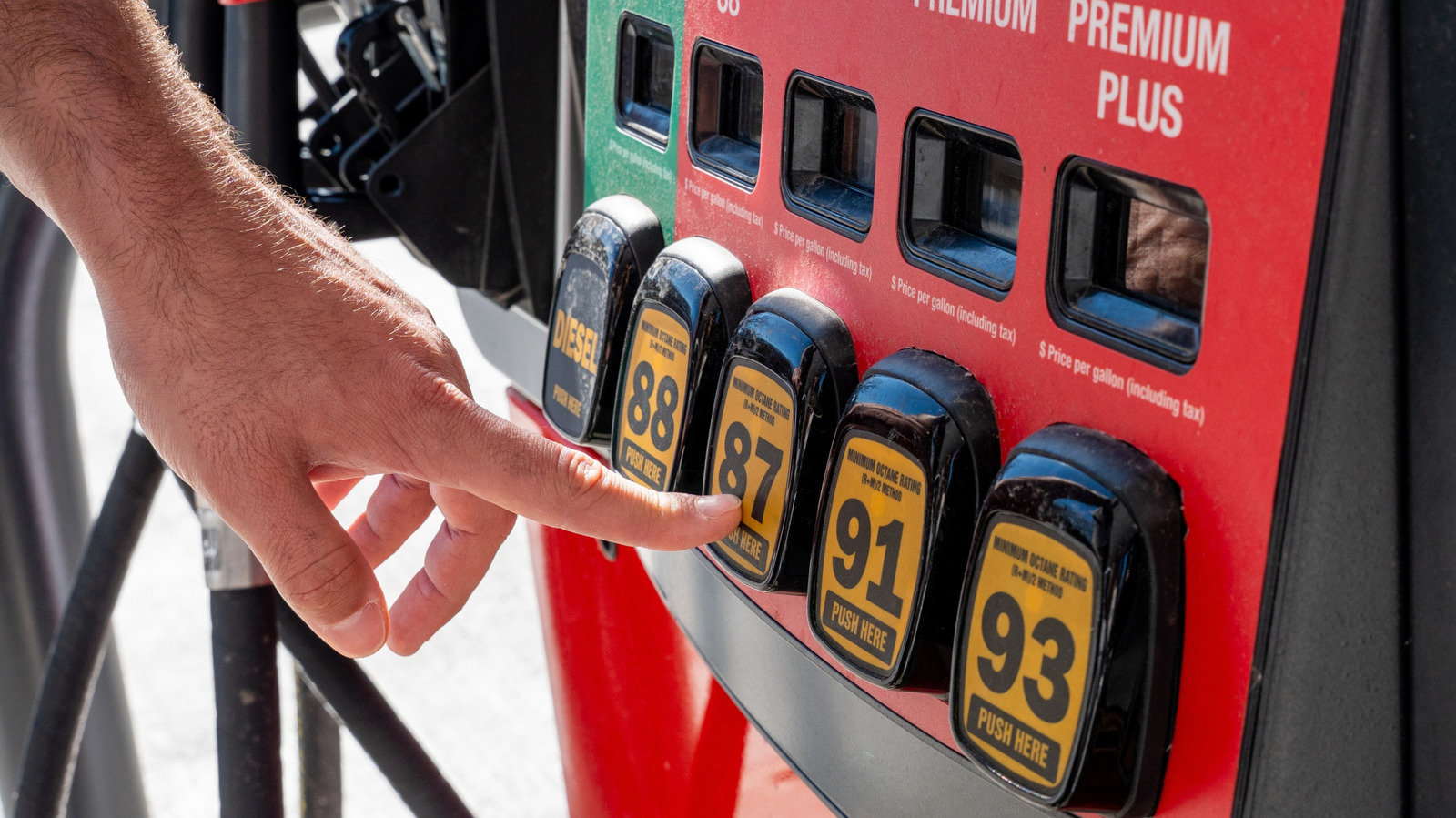
American drivers fueling up at 91 octane may wonder why Europeans consider their gasoline substandard. The octane rating difference reflects distinct fuel standards on each continent, not necessarily fuel quality.
Octane rating measures a fuel's resistance to premature combustion, or knock. Higher octane fuels resist detonation under compression, allowing engines to run higher boost pressures and timing advances. European 95 octane and American 91 octane ratings use different testing methodologies. Europe employs the RON (Research Octane Number) scale, while the U.S. uses the average of RON and MON (Motor Octane Number), called the AKI or pump octane rating. This explains the four-point gap.
The practical consequence is real but limited. European engines ship tuned for 95 RON fuel and optimized for that specific ignition timing. American vehicles tune for 87 to 91 octane gasoline. Running 91 octane in a European car designed for 95 doesn't cause immediate failure, but the engine loses efficiency, fuel economy suffers, and knock sensors detect detonation, triggering timing retardation.
Conversely, American engines running European 95 octane fuel perform fine. The higher octane simply provides headroom the engine doesn't need, wasting potential efficiency gains.
This divergence stems from regulatory history. The U.S. Environmental Protection Agency and fuel suppliers standardized testing methods decades ago. Europe developed its own RON-based system. Neither approach proves objectively superior. Both work perfectly within their respective markets.
Fuel quality itself matters more than octane numbers. European 95 fuel contains different detergent packages and sulfur limits compared to American 91. European regulations mandate stricter emissions control through fuel composition. American gasoline meets its own environmental standards.
The take