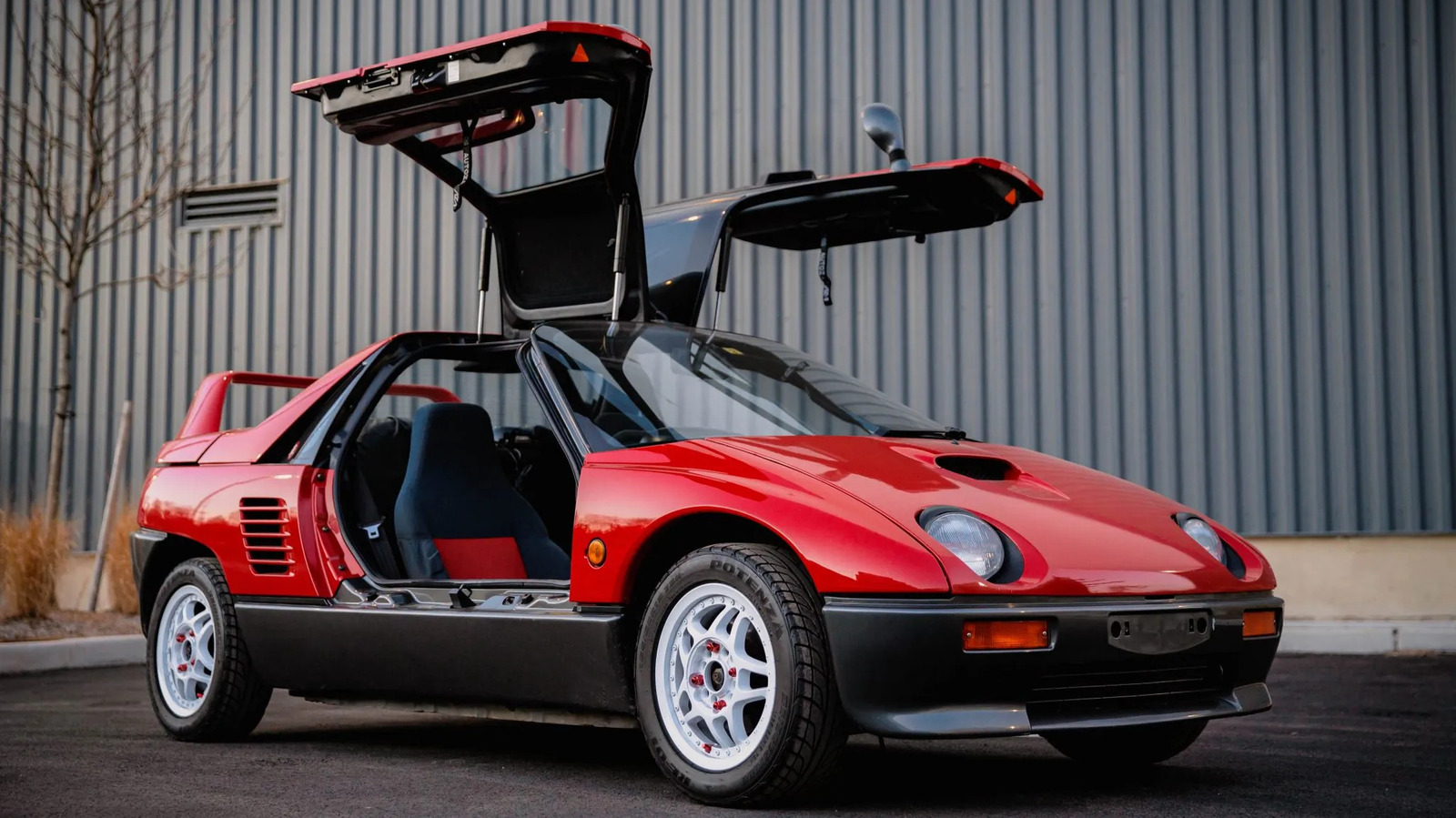
Japan's bubble economy of the 1980s and early 1990s unleashed a wave of automotive creativity that remains unmatched. With seemingly endless capital and consumer spending power, Japanese manufacturers experimented boldly across every market segment, producing vehicles that ranged from brilliantly practical to delightfully eccentric.
The era gave rise to iconic performance cars like the Toyota Supra A80, Nissan Skyline GT-R R33, and Honda NSX. These machines combined cutting-edge engineering with affordability that made them accessible to far more drivers than their European counterparts. The Supra's 2JZ engine and the GT-R's all-wheel-drive system became industry benchmarks. Meanwhile, lesser-known gems like the Mazda RX-7 and Subaru Impreza WRX emerged as drivers' cars with genuine personality.
But the bubble's reach extended beyond performance. Kei cars flourished, with manufacturers competing to offer maximum interior space in minimal footprints. The Honda Beat, a mid-engine roadster smaller than most modern crossovers, exemplified the era's willingness to take design risks. Domestic market specials like the Toyota Soarer and Nissan Laurel medians offered luxury features that never crossed the Pacific.
The 1990 crash fundamentally changed Japanese automotive strategy. Manufacturers tightened spending, became risk-averse, and increasingly focused on global markets rather than domestic experimentation. The golden age of quirky, performance-driven engineering gave way to cautious conservatism that persists today.
The bubble cars represent a specific moment when engineering enthusiasm outpaced financial restraint. Whether it's the raw simplicity of the Beat or the technological overload of the R33 Skyline, these vehicles capture an era when Japanese automakers believed growth had no ceiling. That confidence