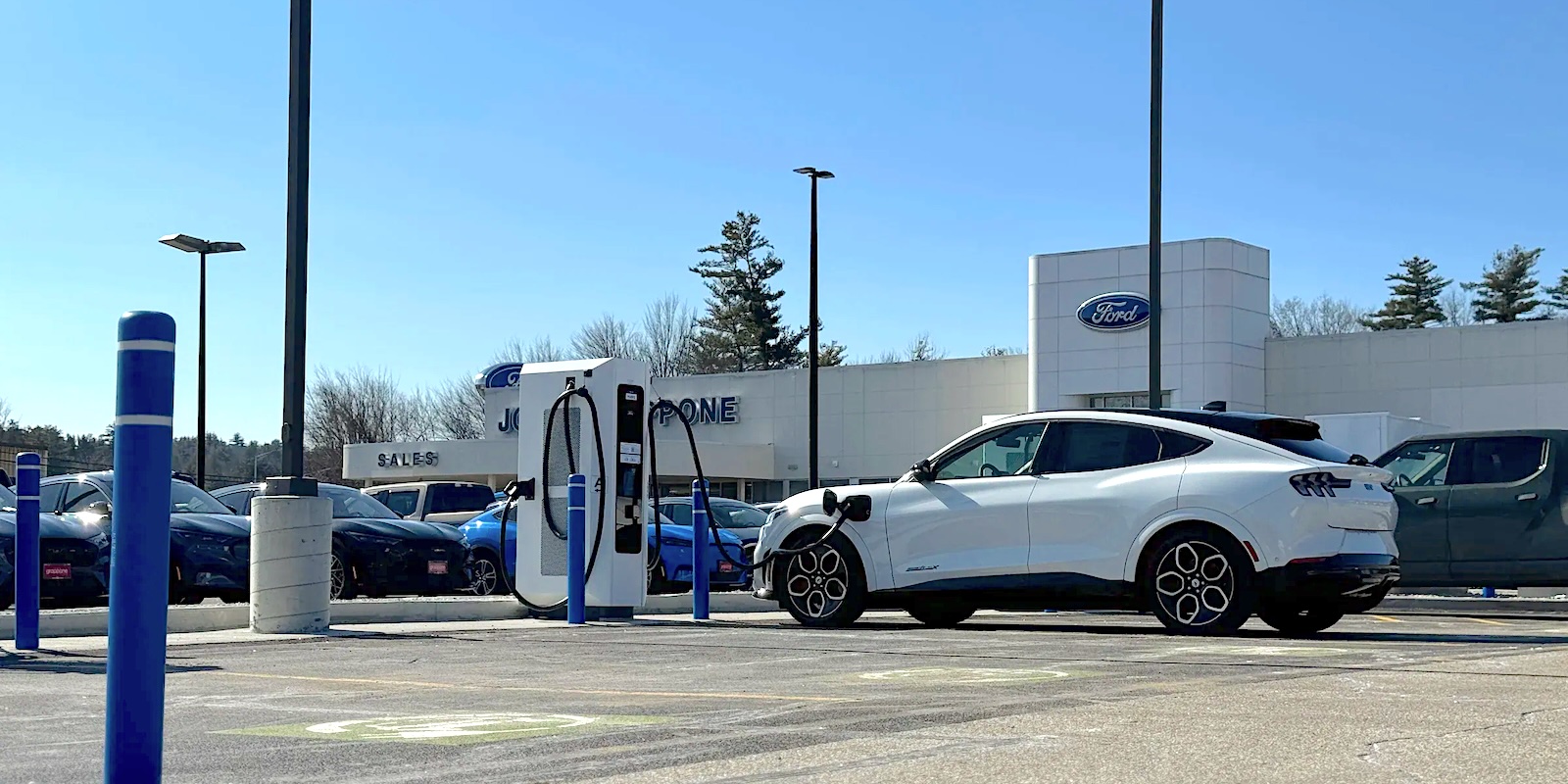
Thousands of EV charging apps list dealership chargers as "public" stations, but the reality frustrates first-time EV owners. Ford dealerships, among others, restrict access to customers only, operate chargers during limited business hours, gate the locations, and charge unpredictable prices. A driver searching for a convenient charging stop discovers what looks like public infrastructure, arrives at the location, and hits a wall of obstacles.
This gap between listed availability and actual access creates a poor first impression of electric vehicles themselves. New EV buyers, still building confidence in ownership, interpret a locked charging station as a systemic failure of EV infrastructure rather than a dealership policy. The problem compounds across networks. When charging apps populate with thousands of inaccessible chargers, genuine public stations become harder to find. Real charging reliability erodes in perception.
The issue reflects a broader tension in EV charging rollout. Dealerships benefit from listing chargers as public assets, gaining goodwill without opening facilities to non-customers. Charging networks, seeking maximum locations, allow dealers to list chargers with minimal oversight. Meanwhile, drivers expect charging stations labeled "public" to work like gas station pumps, available to anyone willing to pay.
Fixing this requires clearer labeling in charging apps. Dealership chargers should display access restrictions upfront. Business hours, membership requirements, and pricing ranges must appear before drivers navigate to a location. Some platforms already implement this transparency. Others have not caught up.
The stakes are high. EV adoption depends on charging confidence. A driver's first negative charging experience shapes their entire ownership perception. When public charging networks feel unreliable due to hidden access walls, some buyers abandon the technology. Dealerships gain short-term customer loyalty. The EV industry loses long-term buyer trust. Charging networks must enforce transparent labeling standards now, before misinformation becomes entren