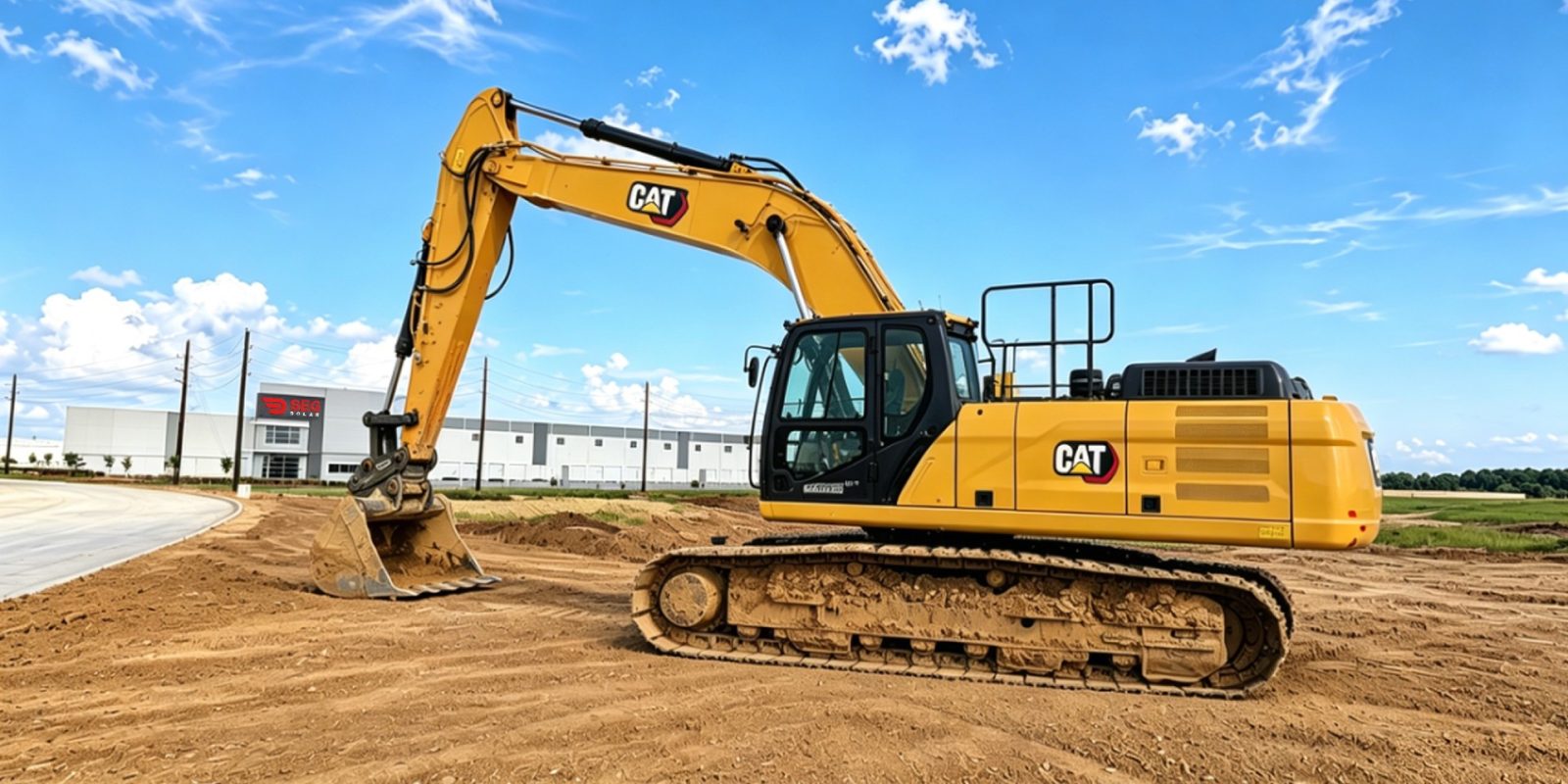
SEG Solar, a major solar module manufacturer, is building a third U.S. production facility in the Houston area. This expansion signals the company's commitment to domestic manufacturing and reflects growing demand for solar components in North America.
The Texas plant joins SEG Solar's existing U.S. operations as the company doubles down on American production capacity. This move comes amid accelerating solar adoption across the United States and efforts by manufacturers to reduce supply chain dependencies on overseas production. Tariff pressures and domestic content incentives embedded in the Inflation Reduction Act have pushed multiple solar manufacturers to establish or expand U.S. factories.
SEG Solar competes directly with manufacturers like First Solar, Hanwha SolarOne, and JinkoSolar in the residential and commercial segments. The company's expansion into a third U.S. location demonstrates confidence in the long-term viability of domestic solar production, even as manufacturing margins remain competitive.
Texas has become the epicenter of solar manufacturing expansion. The state offers lower energy costs, skilled labor availability, and existing infrastructure that attracts manufacturers seeking to serve U.S. markets efficiently. The Houston region specifically provides logistics advantages and proximity to both residential and commercial demand centers across the South.
The new factory will produce solar modules for residential, commercial, and utility-scale installations. Production timelines and capacity figures have not been disclosed, but major solar manufacturers typically target hundreds of megawatts of annual output from new facilities.
This expansion underscores broader industry trends. Domestic solar manufacturing has shifted from a niche strategy to a core business requirement. Supply chain resilience, tariff avoidance, and alignment with federal climate policies now drive capital allocation decisions. Companies that fail to establish U.S. production capacity face competitive disadvantages when bidding on large commercial and utility projects.
The timing matters. Solar installation growth in Texas and the broader U.S. South continues acceler