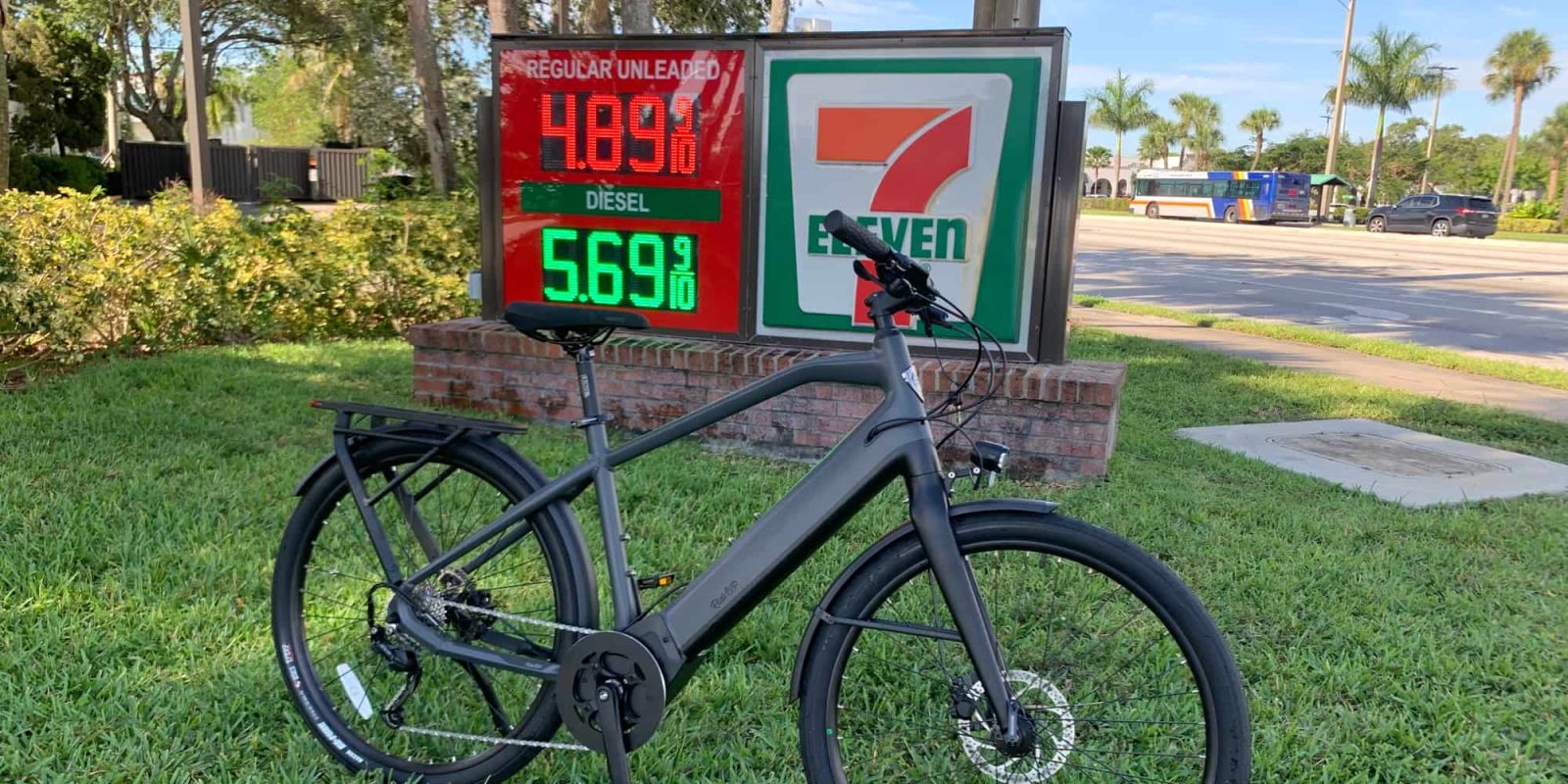
E-bikes deliver genuine fuel savings for daily commuters, though the real economics extend beyond simple gas price comparisons. An e-bike typically costs 2 to 5 cents per mile to operate when factoring in electricity, maintenance, and tire wear. A gas-powered car burns through 12 to 15 cents per mile in fuel alone at current prices, often climbing higher with maintenance factored in.
For a commuter covering 40 miles weekly, switching from a car to an e-bike cuts annual fuel costs by roughly $200 to $300. That math improves dramatically in regions with premium gasoline or heavy congestion. A $2,000 entry-level e-bike pays for itself within five to ten years through fuel savings alone for regular riders.
The overlooked financial benefit sits elsewhere. Drivers spend money on car insurance, registration, repairs, and parking. These fixed costs often exceed fuel expenses. An e-bike eliminates insurance, registration fees, and parking charges entirely. Maintenance requires occasional brake pad replacements and chain lubrication rather than oil changes and transmission service. Over a vehicle's lifespan, these hidden costs dwarf the fuel equation.
Time savings matter too. E-bikes avoid traffic jams, eliminate parking lot hunts, and cut commute times for many urban and suburban riders. That time carries real value many overlook when comparing transportation costs.
The strongest e-bike candidates remain commuters with consistent routes under 15 miles each way. Bad weather, cargo needs, and family transportation still require car ownership for most households. E-bikes work best as a gas reduction strategy rather than a complete vehicle replacement.
Current gas prices have sparked genuine interest in e-bikes, yet the real payoff extends well beyond fuel savings into operational costs, convenience, and lifestyle benefits. The math works without requiring premium gas prices.