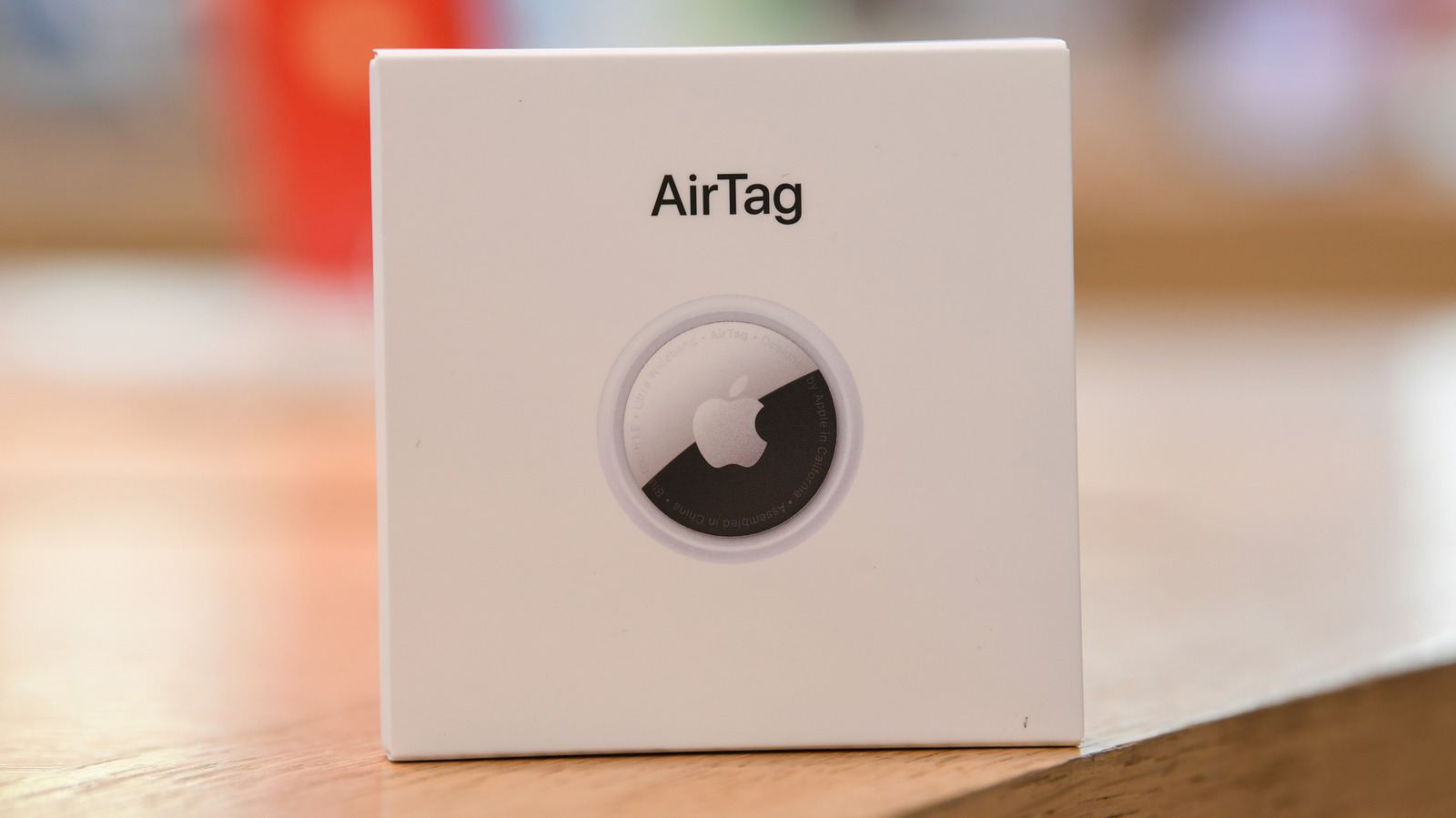
Apple AirTags and dedicated GPS trackers represent two fundamentally different approaches to vehicle security, each with tradeoffs that buyers must weigh carefully.
AirTags cost $29 and leverage Apple's massive Find My network to locate lost vehicles through passive Bluetooth detection. They work anywhere an iPhone user exists. But they offer no real-time tracking, no geofencing alerts, and no ability to remotely disable a stolen vehicle. They're reactive tools for finding something already lost.
GPS trackers, which range from $100 to $500 depending on features, actively transmit location data via cellular networks. Quality units like the Tracki, AirTag competitor Tile, or factory options in newer vehicles provide live tracking, movement alerts, battery monitoring, and subscription services that cost $5 to $20 monthly. They work even in areas without iPhone density.
For owners in urban areas with high Apple saturation, AirTags deliver surprising value as a budget theft deterrent. The visibility of being found quickly discourages casual car thieves. For rural drivers, frequent travelers, or those needing active monitoring, GPS trackers become essential.
The real distinction lies in intent. AirTags work best as recovery insurance for a parked car someone eventually finds. GPS trackers work for active theft prevention and real-time pursuit of a moving vehicle.
Neither replaces proper security like steering wheel locks, alarms, or parking in well-lit areas. But combined with other measures, AirTags suit cost-conscious buyers willing to accept passive recovery. GPS trackers suit those who demand active protection and real-time peace of mind. The choice depends on your threat model and tolerance for monthly subscriptions.