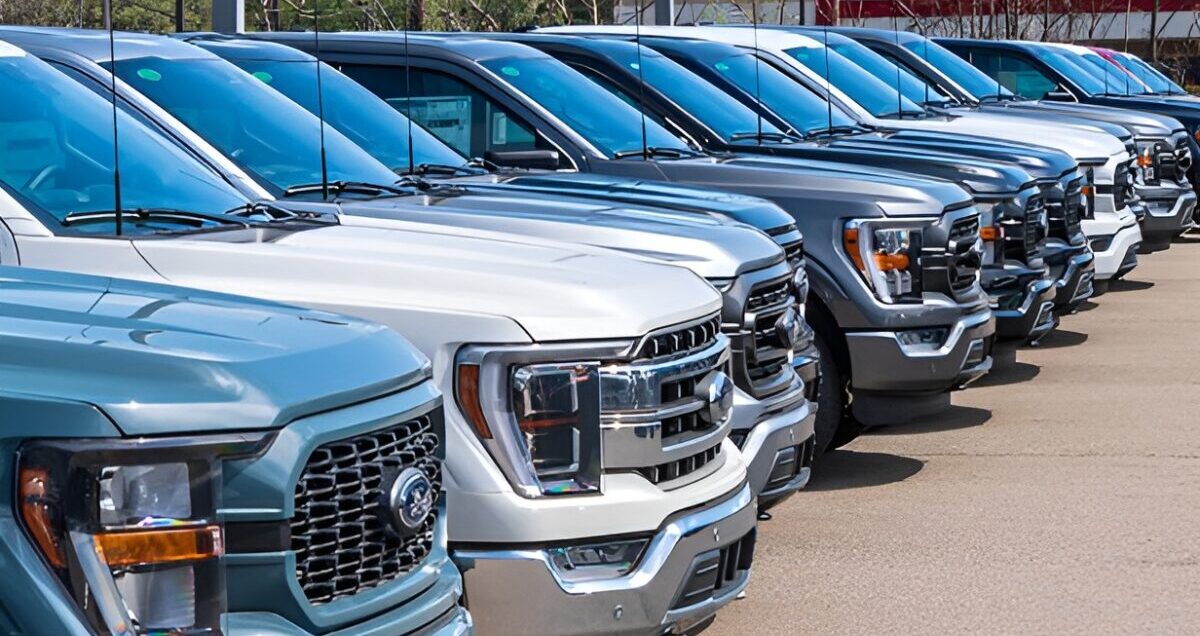
The U.S. auto market faces a structural problem that threatens long-term stability. Lower- and middle-income vehicle consumption is declining sharply, leaving Detroit dependent on luxury-segment sales to wealthy buyers. This affordability crisis exposes a dangerous market imbalance.
New vehicle prices have climbed relentlessly over the past five years. The average transaction price for a new car now exceeds $47,000, pricing out millions of American households. Used car prices remain elevated despite recent softening, squeezing buyers who cannot afford new inventory. Loan terms have stretched to 72 and 84 months, pushing monthly payments beyond $600 for mainstream models.
Manufacturers like General Motors, Ford, and Stellantis have shifted investment toward profitable luxury vehicles and electric trucks rather than affordable sedans and compact cars. The Chevrolet Cruze sedan was discontinued. The Ford Fusion is gone. These decisions prioritize short-term margins over market share, abandoning the customer base that historically sustained Detroit's volume business.
The economic math favors this strategy temporarily. A fully loaded GMC Yukon Denali generates vastly more profit per unit than a base-model sedan. Wealthy consumers remain resilient during inflation. But this strategy creates vulnerability. Economic downturns hit luxury first. A recession in the next 12 to 18 months could crater demand from affluent buyers while lower-income customers already sit on the sidelines.
Import brands have exploited this gap. Hyundai and Kia expanded aggressively in the affordable segment, offering competitive pricing and lengthy warranties. Toyota and Honda hold strong loyalty among value-conscious buyers. Detroit ceded territory it cannot easily reclaim.
The industry also faces headwinds from used-car supply normalization. As used inventory stabilizes and prices retreat, fewer consumers feel compelled to buy new vehicles. This threatens