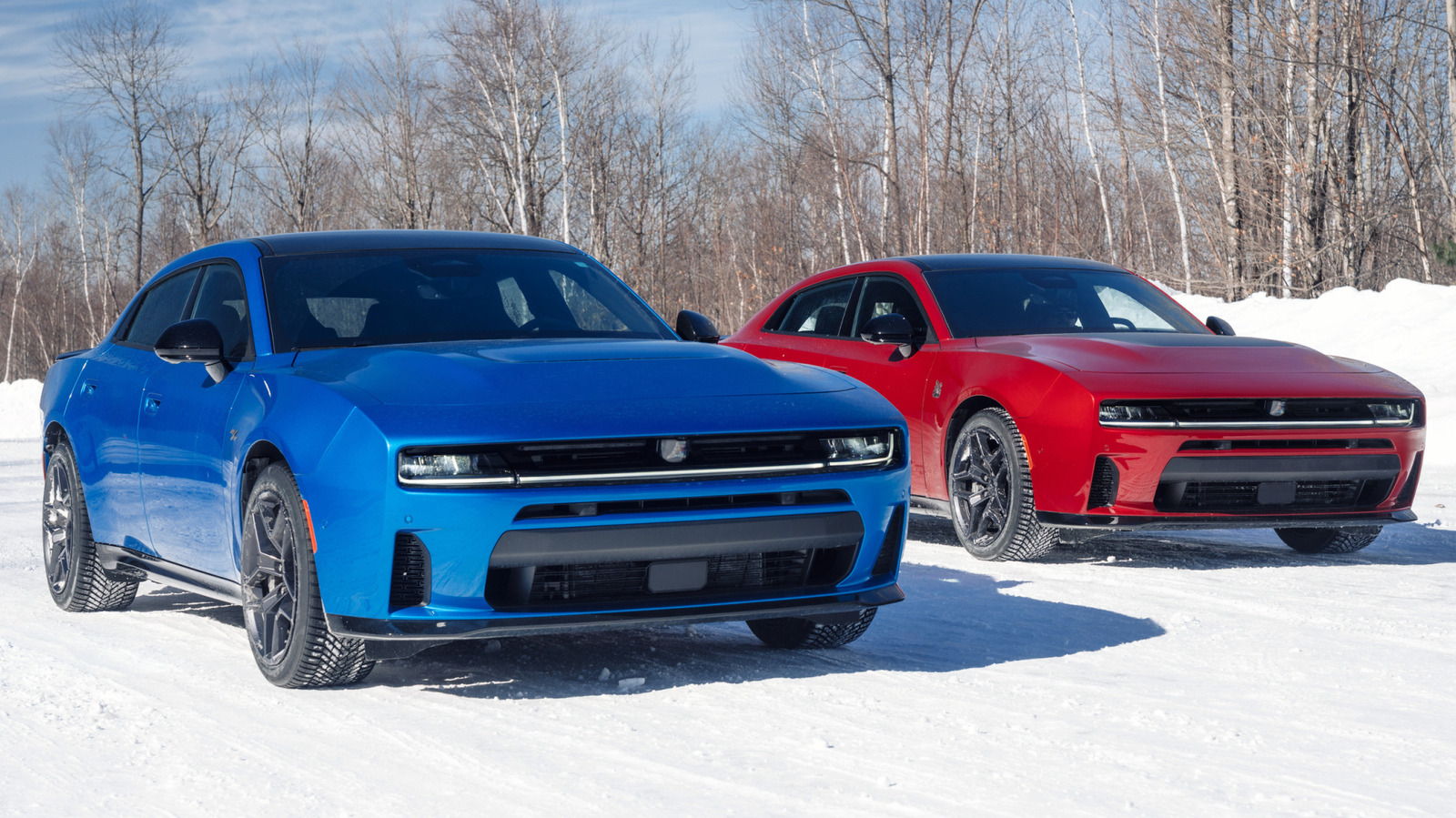
Dodge is exporting the Charger Daytona and Sixpack electric muscle cars to Europe, marking the brand's push into markets traditionally dominated by efficient sedans and compact vehicles. The move represents Stellantis' broader strategy to establish American performance credentials on the continent.
The Charger Daytona serves as Dodge's electric redesign of its iconic muscle car nameplate, pairing aggressive styling with EV performance. The Sixpack variant targets buyers seeking higher output and track-focused capability. Both vehicles arrive as Dodge attempts to redefine itself around electrified performance rather than traditional internal combustion engines.
European reception remains uncertain. The continent's automotive culture emphasizes efficiency, compact dimensions, and practical daily usability. Large, power-focused American muscle cars have historically struggled there, where fuel taxes, narrow streets, and emissions regulations favor lightweight, economical platforms. The Charger Daytona and Sixpack face headwinds against established EV competitors from Porsche, BMW, and Mercedes-Benz in the performance segment.
Stellantis sees European expansion as necessary for Dodge's survival. With the traditional V8 Charger and Challenger discontinued, the brand must demonstrate that electric powertrains can deliver the performance DNA American enthusiasts demand while appealing to global markets. Europe represents a test case for whether American muscle translates to markets with fundamentally different automotive priorities.
Pricing and availability specifics remain unclear, but European buyers should expect premium positioning reflecting Dodge's heritage and performance focus. The real challenge lies not in engineering capability but in convincing a market accustomed to German precision and efficiency that American brawn matters in the EV era.