Turbochargers emerged in the early 1900s yet remained rare in passenger vehicles for decades. The gap between invention and mass adoption reveals how engineering constraints, manufacturing complexity, and market conditions shaped automotive development.
Early turbos faced a fundamental problem: heat and durability. Turbine wheels spin at extreme speeds, reaching 150,000 RPM or higher, while ambient exhaust temperatures exceed 900 degrees Celsius. Materials available in the 1900s and early 1900s couldn't withstand sustained operation under these conditions. Metallurgy advances came slowly, and precision manufacturing to tight tolerances proved expensive for mass production.
Reliability presented another barrier. Early turbochargers suffered lag and inconsistent spool-up, delivering power in unpredictable surges rather than smooth curves. Drivers found this behavior difficult to manage. Without electronic boost control, which didn't exist until computers entered vehicles, turbos remained temperamental. Naturally aspirated engines offered predictable power delivery that customers preferred.
Cost factored heavily into adoption timelines. Turbochargers added substantial expense to manufacturing, and automakers saw minimal financial incentive during periods when fuel remained cheap and performance wasn't a primary sales driver. Carmakers focused resources on simplicity and affordability.
Engine durability concerns deterred wider adoption too. Adding boost pressure stressed internal components. Pistons, connecting rods, and cylinder heads required reinforcement, raising production costs further. Without robust engine management systems, turbo engines wore faster than their naturally aspirated counterparts.
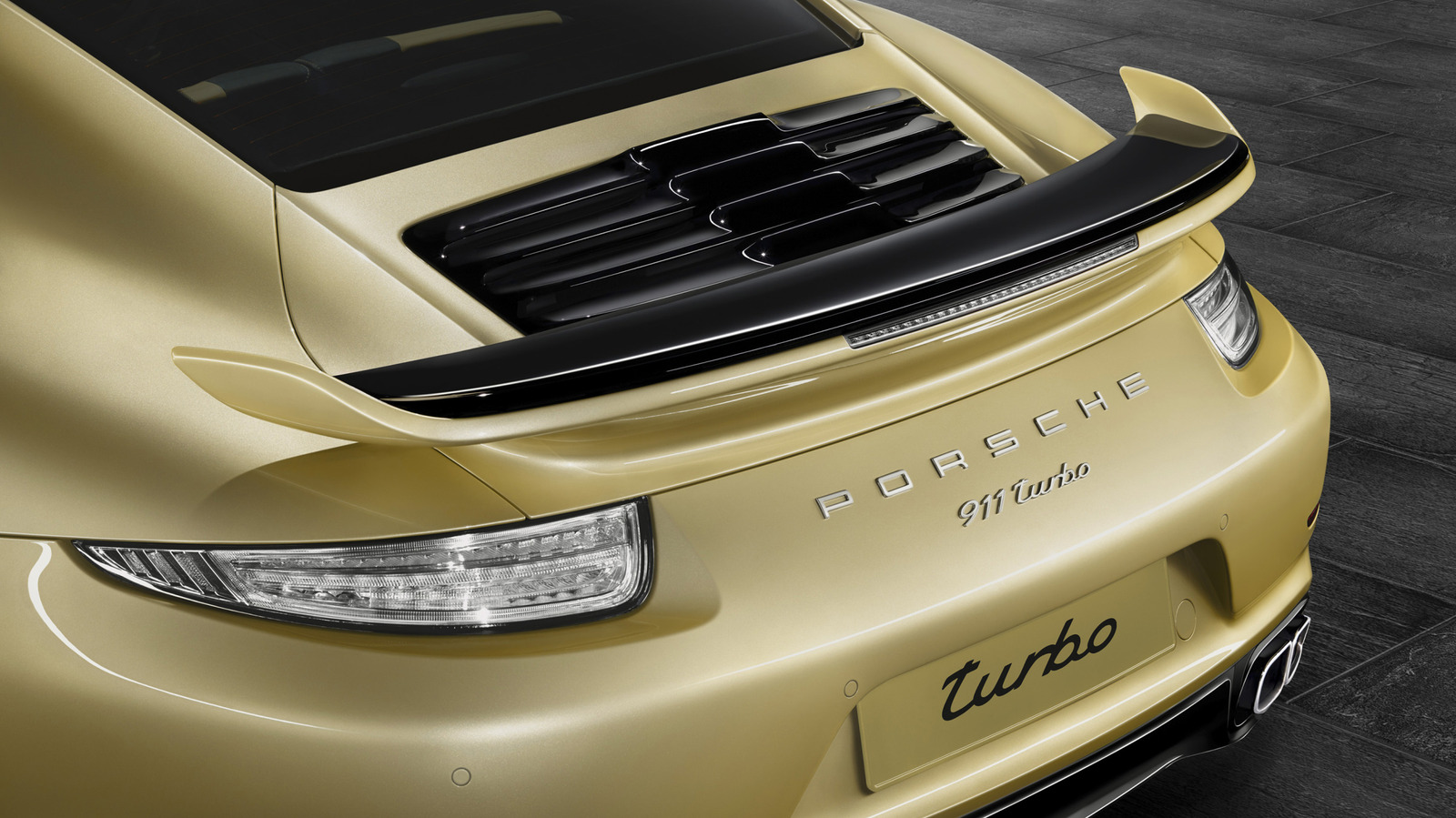
The technology finally gained traction in the 1970s and 1980s following fuel crises and emissions regulations. Turbochargers delivered power without displacement increases, helping manufacturers meet fuel economy standards while maintaining performance. Porsche, BMW, and other European makers pioneered forced induction in sports cars first, building brand prestige around