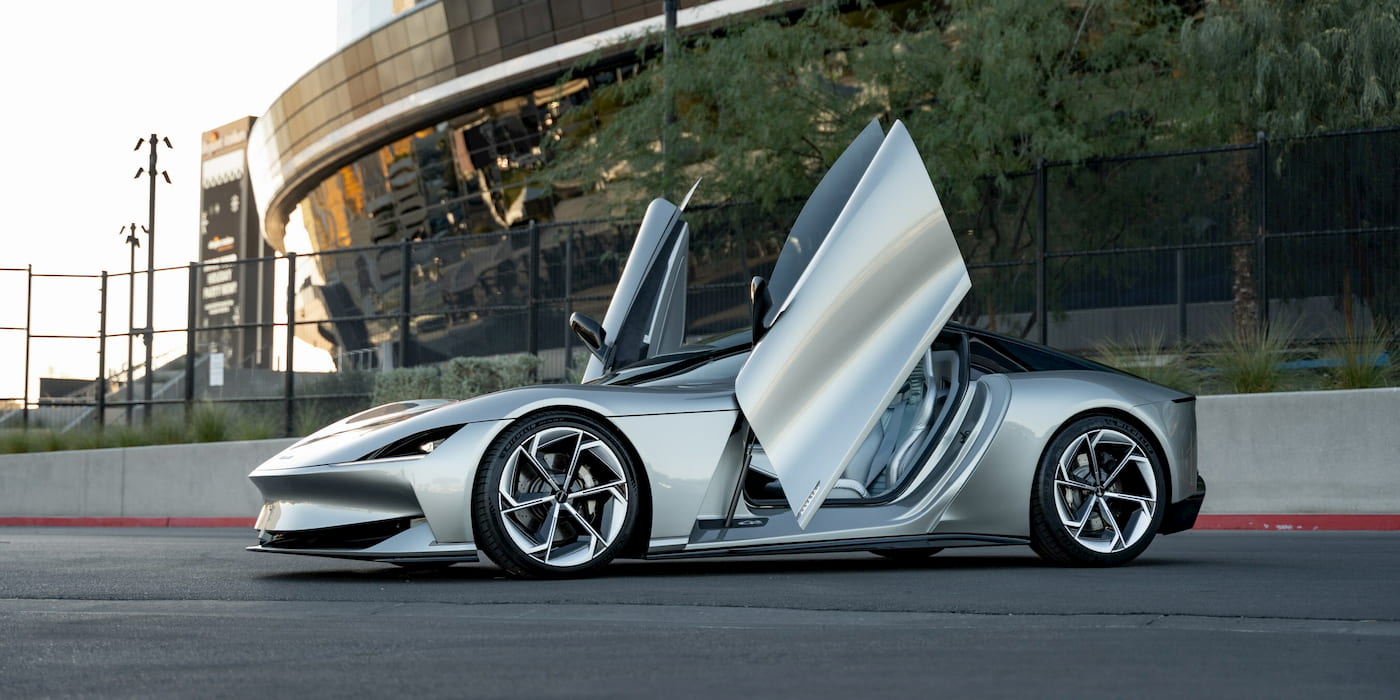
Factorial Energy, a US-based solid-state battery developer, debuted on Nasdaq after demonstrating real-world driving ranges exceeding 745 miles on a single charge. The company's technology represents a significant leap forward in EV battery performance, moving beyond conventional lithium-ion chemistry into solid-state architecture, which replaces liquid electrolyte with a solid material.
The 745-mile range achievement comes from a real-world test, not laboratory conditions. This matters because it shows Factorial's batteries perform in actual driving scenarios with temperature variations, highway speeds, and consumer usage patterns. Traditional EV batteries lose efficiency in real-world conditions compared to controlled testing environments.
Solid-state batteries deliver higher energy density than current lithium-ion packs, meaning lighter vehicles can travel farther without larger battery packs. They also charge faster and degrade more slowly over time. Toyota, BMW, and other automakers have committed to solid-state technology for next-generation models launching in the late 2020s.
Factorial Energy's Nasdaq debut signals investor confidence in the company's manufacturing timeline and technical claims. The IPO provides capital to scale production, a critical hurdle for battery startups. Most solid-state battery makers remain privately funded or subsidiary operations within larger companies. Factorial competes with QuantumScape, a Samsung-backed solid-state developer that went public via SPAC in 2020.
The timing favors Factorial. Automakers face pressure to extend EV range as consumers remain range-anxious. A 745-mile capability positions Factorial's technology as a near-term solution for manufacturers targeting 500-plus mile vehicles. Factorial has supply agreements with automakers, though the company has not disclosed specific production timelines or vehicle platforms.
Solid-state batteries remain expensive compared to lithium-ion technology. Manufacturing at scale requires new equipment and