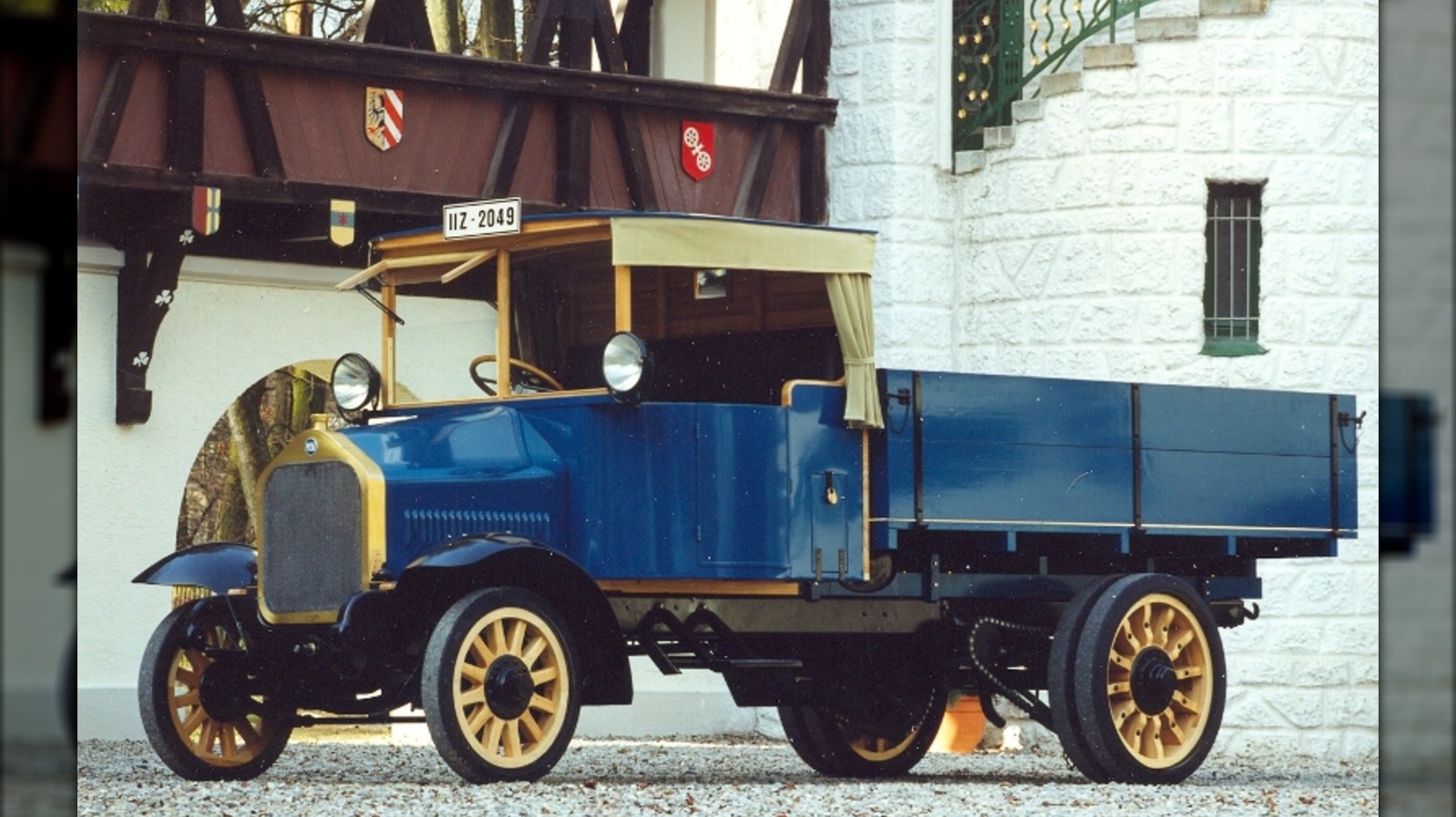
Direct-injection diesel technology arrived far earlier than most automotive historians acknowledge. The first production vehicle to use a direct-injection diesel engine predates the 1980s by several decades, challenging the common industry narrative about when this efficiency breakthrough entered passenger cars.
Direct injection eliminates the indirect injection chamber that characterizes conventional diesel engines. Instead of injecting fuel into a pre-chamber where combustion initiates before spreading to the main cylinder, direct injection sprays fuel straight into the combustion chamber. This design reduces complexity, improves thermal efficiency, and cuts emissions compared to indirect systems. The technology delivers faster combustion and better fuel economy, which explains why manufacturers eventually adopted it across diesel lineups.
The automotive world typically credits the 1980s with pioneering direct-injection diesels in modern vehicles. However, the actual timeline extends much further back. Early diesel pioneers experimented with direct injection before the industry standardized indirect systems for passenger cars. Engineering constraints and manufacturing limitations pushed manufacturers toward simpler indirect designs through much of the 20th century. Direct injection required precision fuel injectors, advanced combustion chamber design, and reliable ignition timing that earlier manufacturing couldn't consistently deliver.
The rediscovery and refinement of direct-injection diesel technology in the 1980s and 1990s coincided with tighter emissions standards and fuel economy regulations. Computer-controlled fuel injection systems made the technology viable for mass production. Manufacturers like Audi, Mercedes-Benz, and BMW championed diesel direct injection, transforming it from a forgotten engineering solution into a mainstream alternative powertrain.
Today, nearly all diesel engines use direct injection. The technology proves especially valuable in Europe, where diesel commands significant market share. American manufacturers largely abandoned diesel passenger cars after emissions scandals and shifting consumer preferences toward electrification. Understanding that direct injection existed decades before its modern resurgence reveals how automotive engineering often circles back to earlier solutions when