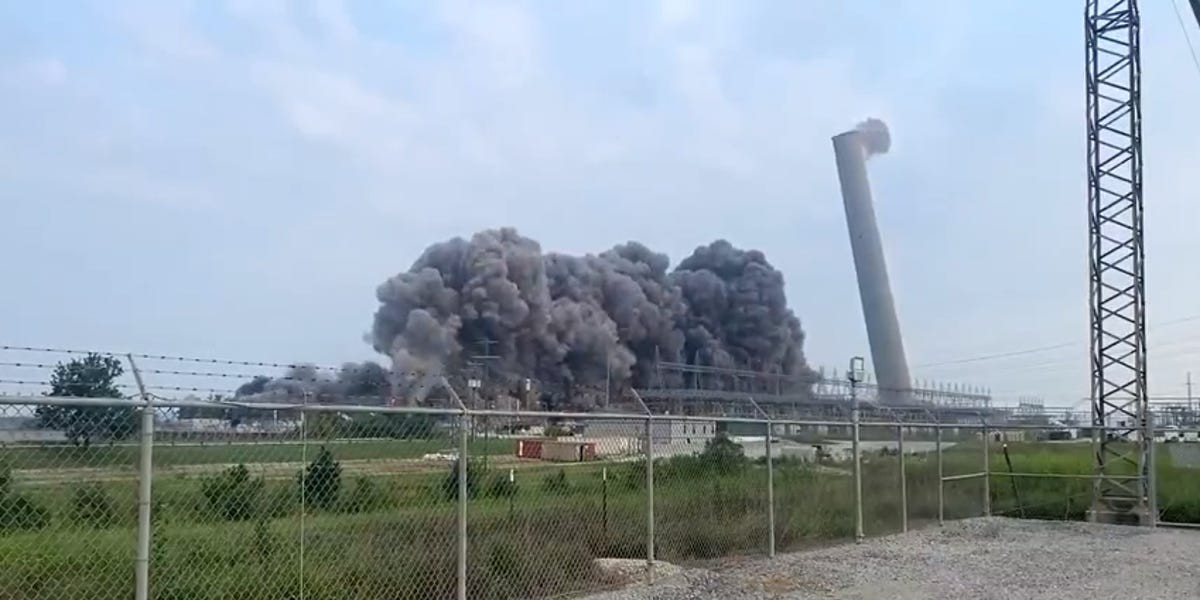
The White House allocated $700 million in federal funding to support coal infrastructure and operations, reversing the renewable energy investment trajectory of recent years. The funding represents a policy shift toward propping up aging coal plants that face declining demand and profitability across the United States.
Coal power generation continues losing ground to cheaper natural gas and rapidly expanding wind and solar capacity. Grid operators have accelerated coal plant retirements over the past decade as these alternatives deliver power at lower operational cost. The industry's economics have shifted decisively. Maintenance expenses for older coal facilities often exceed revenue generation, particularly in regions with robust renewable development.
The $700 million commitment comes as utilities and private operators exit coal contracts ahead of schedule. Coal's share of U.S. electricity generation fell from 50 percent in 2005 to roughly 20 percent today. Workforce employment in coal mining has declined from 83,000 jobs in 2015 to approximately 35,000 currently.
This federal intervention follows a pattern of government support for fossil fuel infrastructure despite market forces working against coal viability. Renewable energy capacity additions far outpaced coal additions in recent years, driven by cost competitiveness and grid modernization needs rather than subsidies.
Regulators increasingly recognize coal plants as grid liabilities rather than assets. Environmental compliance costs for aging coal facilities rise annually as emissions standards tighten. Water cooling requirements conflict with environmental protections in many regions. Transportation, storage, and fuel sourcing add fixed expenses that renewable competitors eliminate entirely.
The allocation signals political priorities rather than energy market realities. Stakeholders in coal-dependent regions supported the funding, while energy analysts questioned the long-term return on such investment. Power infrastructure typically operates on 40 to 50 year timelines. Funding coal plants today commits taxpayers to supporting assets that may reach obsolescence before recovering their installation costs.