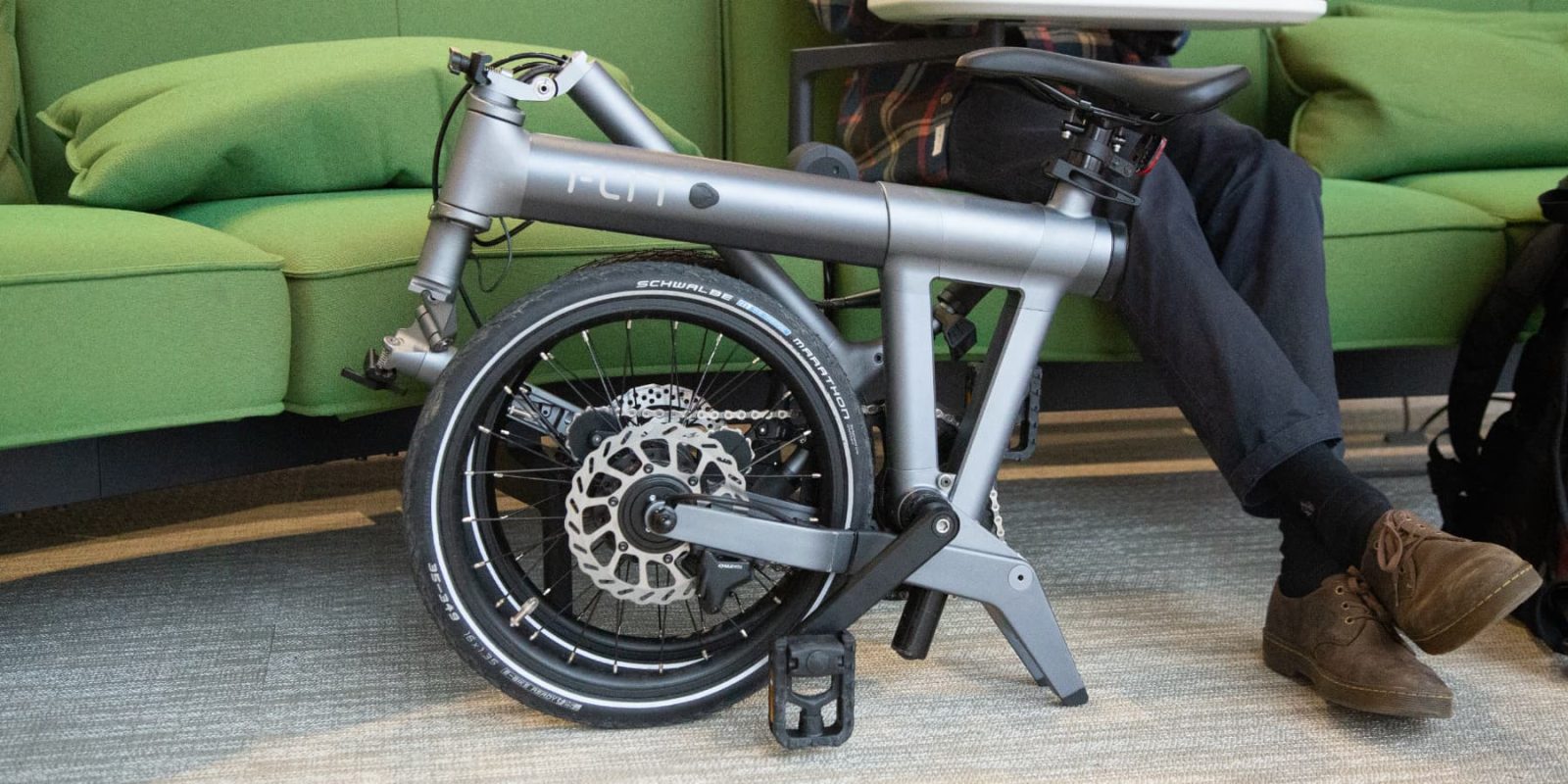
A British premium e-bike manufacturer is rejecting traditional welding in favor of adhesive bonding to construct its bicycle frames, borrowing techniques from aerospace and luxury automotive production. The company applies structural glue to join aluminum frame components rather than relying on heat-based welding.
This manufacturing choice reflects a broader shift in how high-end bike makers approach frame construction. Adhesive bonding offers distinct advantages over welding: it distributes stress more evenly across joints, eliminates heat-affected zones that can weaken aluminum, and enables designs that welded frames cannot achieve. The process also allows for tighter tolerances and cleaner aesthetics without visible weld seams.
The approach draws parallels to how Aston Martin constructs sports car bodies and how aerospace engineers assemble aircraft structures. Both industries have adopted adhesive bonding because it creates stronger, lighter connections while maintaining material integrity. For e-bikes, where frame durability matters for safety and longevity, the structural benefits become increasingly relevant.
Premium e-bike manufacturers face pressure to differentiate on quality and durability. As the market matures, consumers investing in high-end models expect frames that justify their price tags. Adhesive bonding delivers on that promise by producing frames that resist fatigue and maintain rigidity under the additional stress that motors and batteries create.
The technique does present manufacturing challenges. Proper application requires controlled environments, precise material preparation, and extensive quality control. Production volumes are lower than traditional welding operations, which suits boutique makers more than mass manufacturers. Labor costs are higher, but premium positioning absorbs that expense.
This innovation matters because it shows how e-bike makers are evolving beyond basic motorization. Rather than simply bolting motors onto traditional frames, manufacturers like this British company are rethinking fundamental construction methods. As e-bikes command larger market share and price points climb, frame engineering becomes a competitive advantage.