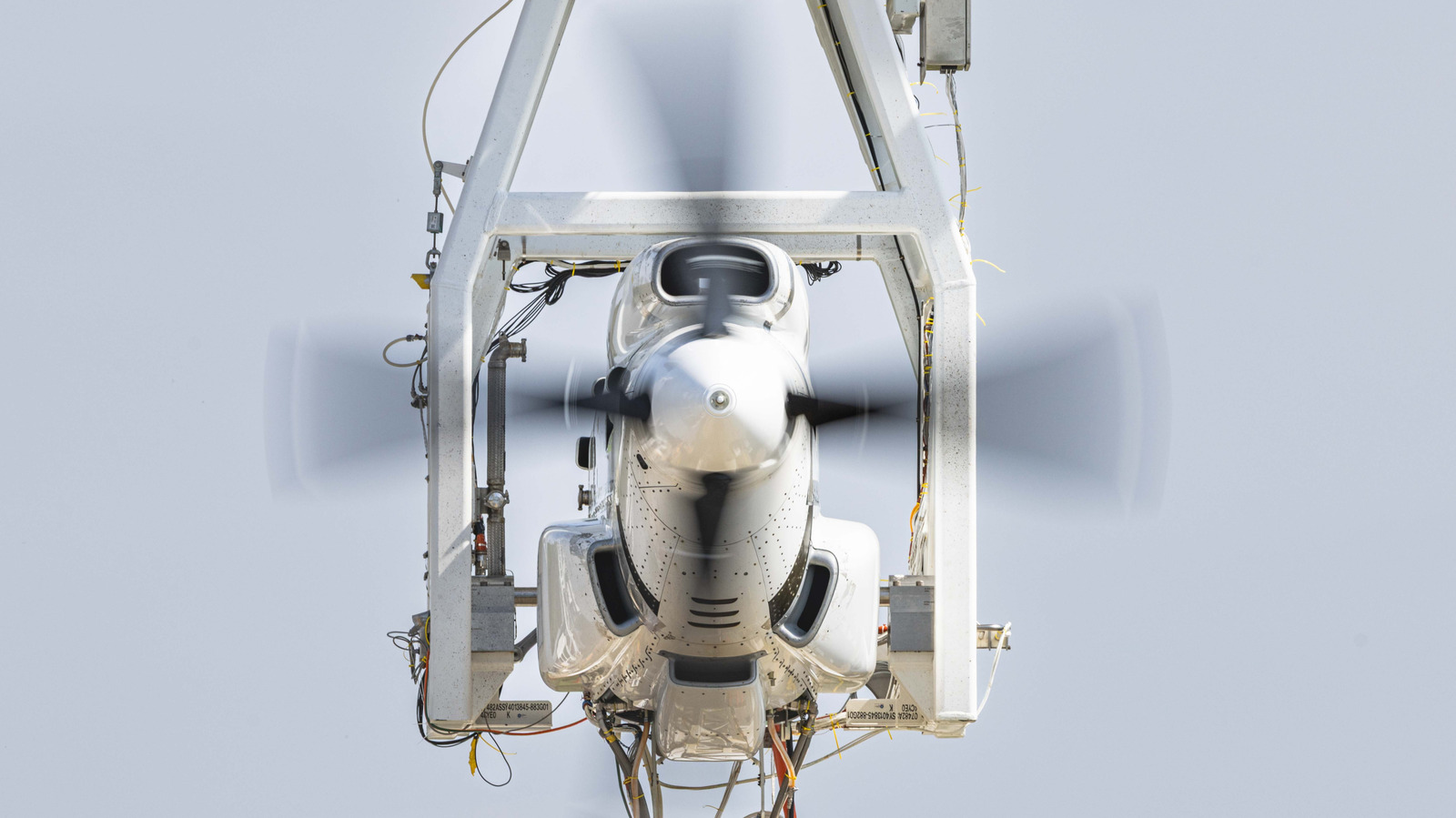
Aviation is moving toward hybrid propulsion, following the automotive industry's playbook. Hybrid-electric systems for aircraft offer a practical middle ground between conventional jet fuel and fully electric powerplants, allowing operators to use existing airframes without expensive redesigns.
The hybrid model pairs traditional combustion engines with electric motors and batteries. During takeoff and climb, both systems work together to reduce fuel consumption and emissions. At cruise altitude, the aircraft can rely primarily on the jet engine while the electric motor assists during descent and landing. This staged approach maximizes efficiency across different flight phases.
The real advantage for airlines and manufacturers sits in compatibility. Retrofitting hybrid systems into current aircraft platforms costs less than developing entirely new electric designs from scratch. Boeing and Airbus aren't building new fuselages; they're integrating electric components into proven structures. Regional aircraft manufacturers like Harbour Air and Heart Aerospace are leading development on smaller planes where battery technology currently works best.
Battery technology remains the limiting factor. Current lithium-ion packs don't pack enough energy density for long-haul flights, but they work fine for regional routes under 500 miles. A hybrid Dash 8 or ATR turboprop can cut fuel burn by 30 to 50 percent on short hops, which covers most commercial aviation traffic patterns anyway.
Regulatory approval matters. The FAA and European regulators are establishing certification standards for hybrid aircraft. Airlines want proof these systems are reliable, maintainable, and cost-effective. A hybrid regional turboprop that saves fuel and reduces noise pollution checks boxes for operators trying to meet carbon targets without waiting for breakthrough battery technology.
The timeline matters too. Full electric aviation remains a decade or two away for anything larger than small aircraft. Hybrids arrive sooner, typically within the next five years for initial service entries. For an industry that burns 100 billion gallons of jet fuel annually