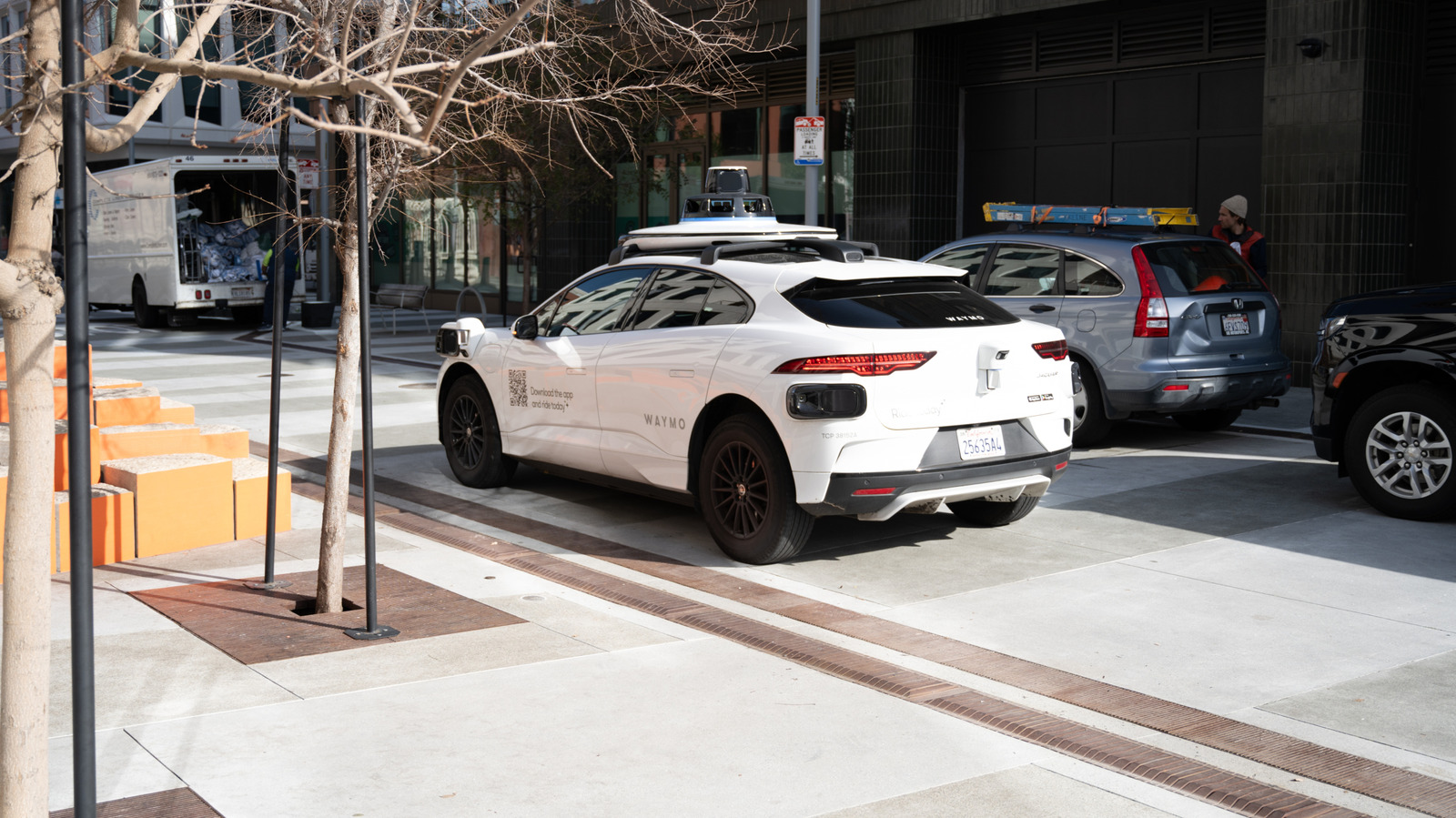
A burglary suspect exploited Waymo's driverless taxi service to escape a crime scene in San Francisco, highlighting a vulnerability in autonomous vehicle deployments that law enforcement struggles to address. The thief summoned the vehicle through Waymo's app, committed the burglary, then used the same robotaxi to leave the area. Despite the vehicle carrying 29 onboard cameras, police have not made arrests.
The incident raises troubling questions about autonomous vehicle security and accountability. Waymo vehicles log trips, passengers, and routes, yet the system apparently failed to prevent misuse or aid swift law enforcement response. The robotaxi captured video evidence but investigators couldn't quickly identify or apprehend the suspect.
This isn't the first time autonomous vehicles have enabled crime. Waymo and Cruise robotaxis have been used in hit-and-run incidents and other criminal activity across San Francisco and Phoenix. The accessibility of these services, combined with their anonymity compared to traditional rideshare platforms, creates opportunity for bad actors.
Waymo operates with minimal driver oversight, relying on geofencing and remote monitoring. The company collects extensive data through its camera network, yet that surveillance infrastructure apparently didn't translate into actionable intelligence for this investigation. Police would need cooperation from Waymo to access footage and trip records, a process that takes time.
The broader implication troubles the autonomous vehicle industry as it expands. Safety regulators and law enforcement weren't designed for driverless fleets operating at scale. Unlike human drivers who can refuse suspicious passengers or call police immediately, robotaxis depend entirely on backend systems and data sharing agreements with authorities.
Waymo hasn't commented publicly on how the burglary suspect accessed their service or why identification proved difficult. The company faces pressure to implement stronger verification systems, perhaps requiring identity confirmation for account creation or trip-specific security measures.
This case demonstrates that autonomous