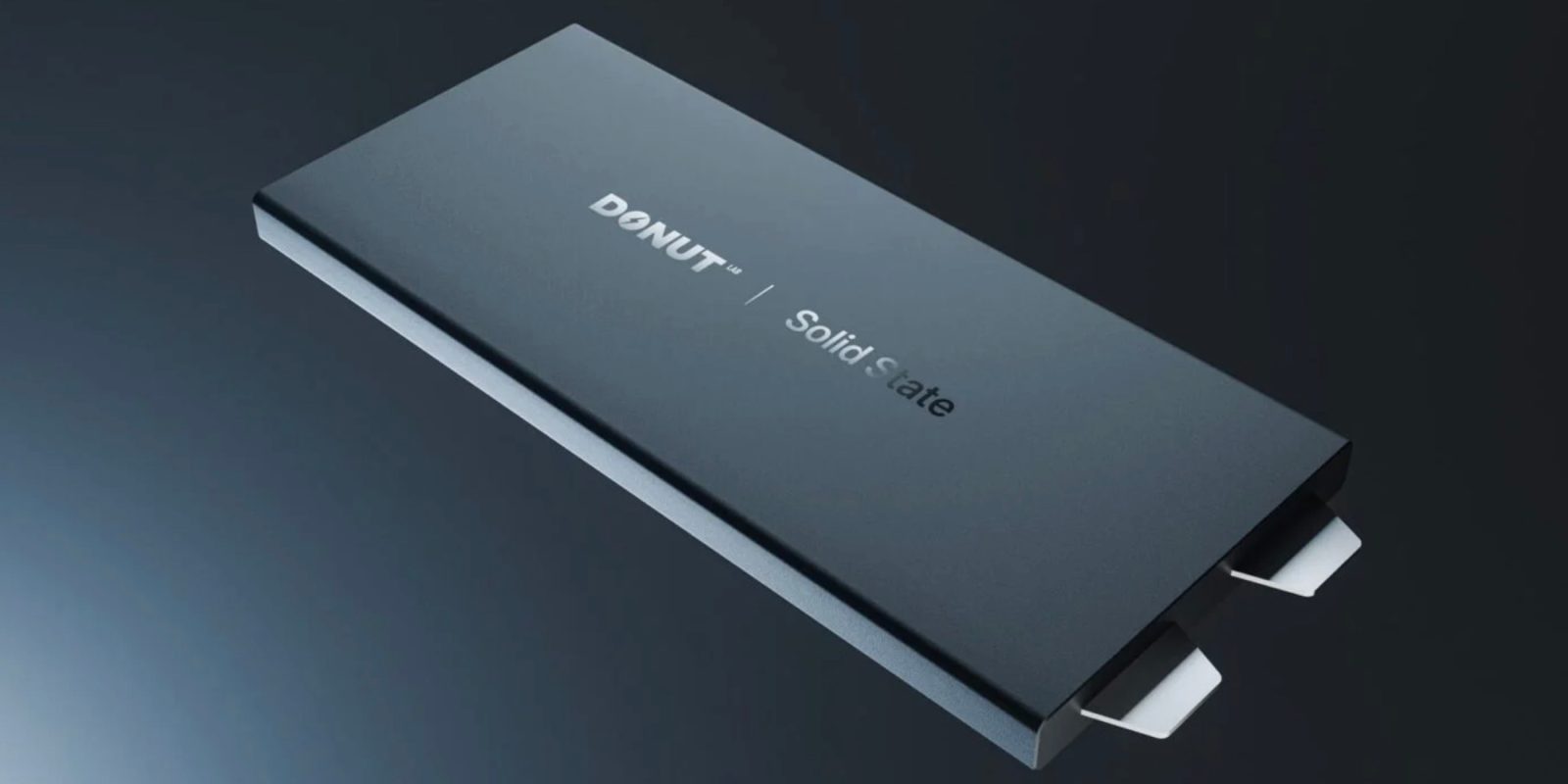
Donut Lab's claimed breakthrough in solid-state battery technology unravels under scrutiny. Battery researcher Ziroth, partnering with over 20 independent experts, published findings proving the startup's marquee product is a conventional lithium-ion cell, not the revolutionary solid-state design the company marketed to investors.
Donut Lab raised roughly $25 million from more than 1,300 mostly retail investors who believed they were funding next-generation battery tech. The investigation traces the actual technology to a German outfit called CT Coatings, revealing a corporate structure layered with non-disclosure agreements designed to obscure the battery's true nature. Electrochemical analysis provided the smoking gun.
Solid-state batteries represent a genuine industry target. Tesla, Samsung, QuantumScape, and others pursue this technology because it promises higher energy density, faster charging, and improved safety compared to traditional lithium-ion packs. A legitimate solid-state cell would command serious attention from automakers racing to improve EV performance and range.
Donut Lab's deception matters because it exploits investor hunger for battery breakthroughs. The startup capitalized on widespread enthusiasm for EV technology and the notion that a small company might crack what established players struggle with. Retail investors rarely possess the expertise to verify technical claims independently. They depend on peer review and transparent disclosures.
This case exposes gaps in how early-stage battery companies present themselves. The aggressive NDA structure Ziroth uncovered suggests deliberate obfuscation. Legitimate developers welcome technical scrutiny from independent researchers. Secrecy signals trouble.
The fallout extends beyond Donut Lab's investors. Trust in emerging battery startups takes a hit. Serious competitors now face higher skepticism. Regulators may tighten disclosure requirements for companies claiming major breakthroughs.
For the broader