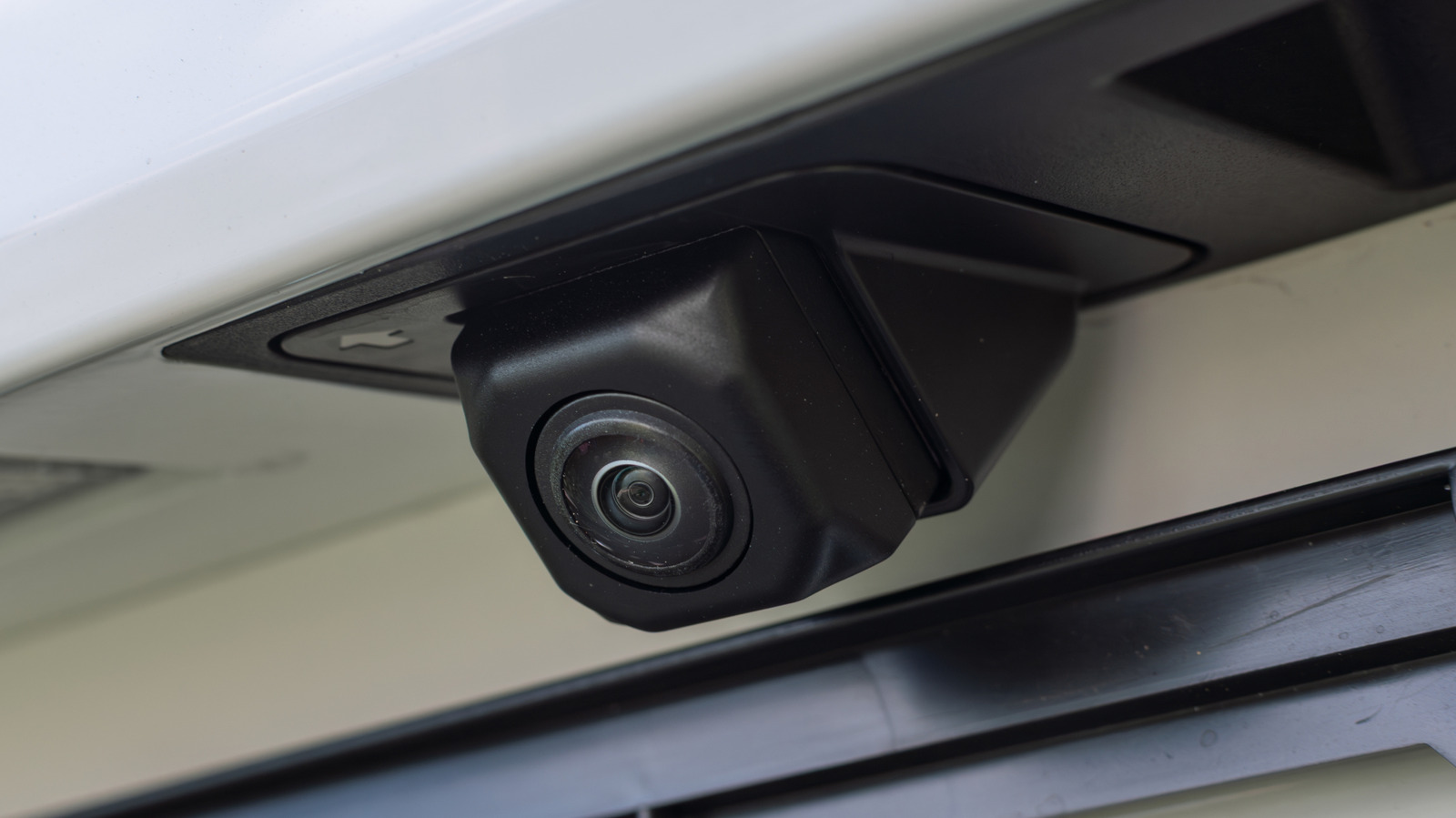
Backup cameras have become standard safety equipment on modern vehicles, required by federal regulation since 2018. Neglecting maintenance on this system creates expensive repair bills that drivers often underestimate.
The backup camera assembly includes the lens, housing, wiring harness, and display module. Dirt, salt, and moisture accumulate on the lens faster than most drivers realize, degrading image quality and eventually causing complete failure. A dirty lens reduces visibility exactly when you need it most during reverse maneuvers. Cleaning the lens monthly with a soft cloth prevents buildup and costs nothing.
Water intrusion represents the biggest threat to longevity. Moisture enters through corroded connectors, cracked housings, or damaged seals around the camera mount. Once water reaches the electronics, corrosion spreads rapidly. Replacement camera units run 300 to 800 dollars depending on the vehicle. Luxury brands and models with integrated displays push costs to 1,500 dollars or higher because labor requires dashboard disassembly.
Wiring problems compound expenses. Corroded connectors or damaged harnesses prevent image transmission to your infotainment screen. Troubleshooting wiring requires dealership diagnostics, adding 100 to 200 dollars before any repairs begin. A complete harness replacement adds another 300 to 600 dollars in parts and labor.
Prevention saves money immediately. Rinse the camera lens weekly, especially in winter when road salt accumulates. Apply protective silicone sealant around the housing annually. Inspect wiring connectors during regular maintenance. Park in a garage when possible to reduce weather exposure.
Ignoring backup camera maintenance often means operating without this safety feature. You lose the advantage that makes tight parking spaces manageable and increases collision risk. A single parking lot accident costs far more than routine maintenance. Dealerships recommend annual inspections during regular service