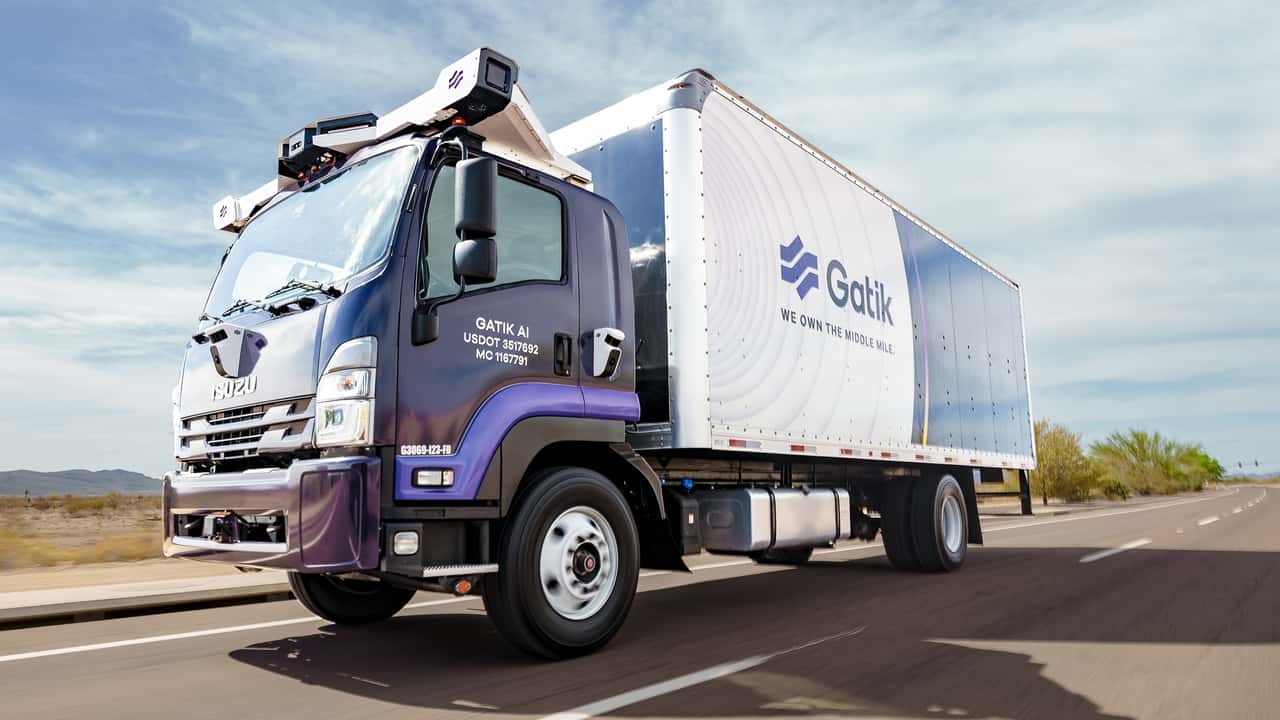
PepsiCo has deployed autonomous box trucks built by Gatik to haul beverages and snacks across Texas, Arizona, and Arkansas. The operation uses modified Isuzu trucks equipped with self-driving technology, marking a practical application of driverless logistics in consumer goods distribution.
The move reflects broader industry momentum toward autonomous trucking for last-mile and middle-mile delivery. Rather than tackling long-haul routes that demand highway driving at scale, Gatik focuses on regional distribution runs between warehouses and retail locations. These routes follow predictable paths, operate mostly in familiar territory, and avoid the complexity of interstate trucking.
PepsiCo's adoption signals confidence in the technology for repetitive logistics tasks where autonomous systems excel. The company benefits from reduced labor costs, consistent scheduling, and fewer accidents. Gatik's approach targets fleet operators managing high-volume regional routes where driver availability remains tight and retention problems persist.
The Isuzu platform provides sufficient cargo capacity for soda cases and snack pallets without the complexity of larger tractor-trailers. Weight distribution and braking demands stay within proven autonomous system parameters. Multiple carriers are testing similar solutions, though adoption remains early.
Challenges remain real. Regulatory approval varies by state. Insurance frameworks for autonomous commercial vehicles still develop. Bad-weather performance and edge-case scenarios require ongoing refinement. Driver unions oppose expansion without worker protections. Weather-related failures could trigger public setbacks if accidents occur.
PepsiCo operates one of the largest logistics networks in North America, so proving autonomous trucks work at scale carries outsized importance. If middle-mile autonomous delivery succeeds here, other beverage and food companies will follow quickly. The technology won't replace long-haul trucking soon, but regional distribution networks represent a massive addressable market where autonomous trucks can generate measurable ROI within 2-3 years.