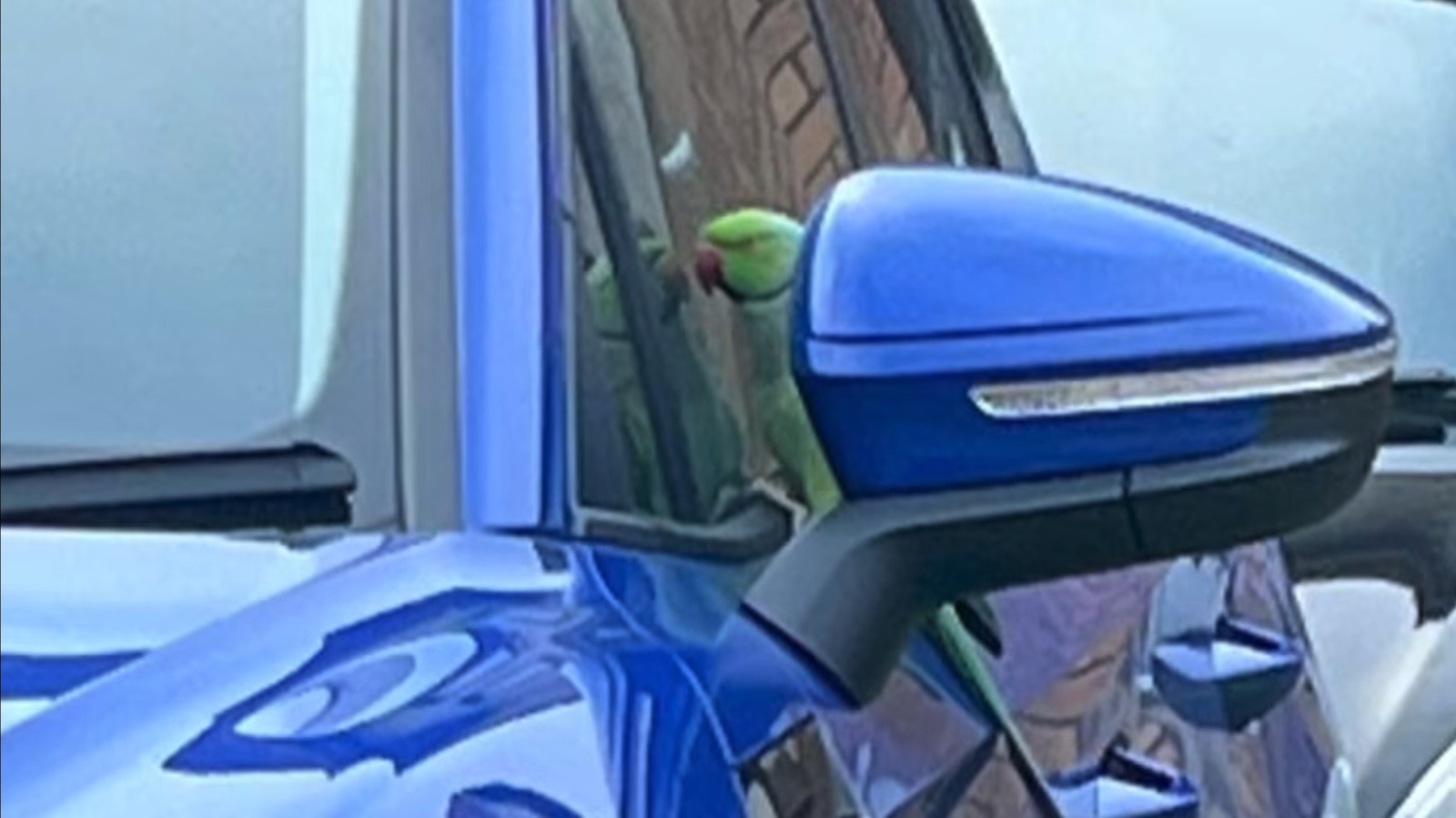
A Scottish parakeet has launched an unexpected assault on parked vehicles, systematically targeting and destroying rubber components including windshield wipers, door seals, and trim pieces. Scotland's nature agency investigated the bizarre phenomenon but stopped short of identifying the specific bird or its motivation.
The agency floated several theories for the behavior. The parakeet may be seeking minerals or salt compounds found in rubber compounds, a known driver for destructive behavior in captive parrots. Alternatively, the bird could be responding to territorial impulses, attacking what it perceives as threats or rivals reflected in vehicle surfaces. Some experts suggest the behavior stems from boredom or stress, common triggers for destructive habits in intelligent bird species living outside their natural habitats.
Rogue parakeets and escaped macaws have become increasingly common nuisances across the UK in recent years, particularly in urban areas where escaped cage birds establish feral populations. These highly social and intelligent species adapt well to temperate climates when they form flocks. Unlike urban pigeons or seagulls, parrots possess the cognitive ability and physical strength to cause genuine property damage.
Vehicle owners in the affected area face a genuine problem. Unlike typical bird damage limited to paint and windshields, this parakeet targets functional rubber components essential for weather sealing and wiper operation. The selective nature of the attacks suggests deliberate, not random, destruction.
Nature agencies typically avoid culling escaped non-native species until populations reach critical density or pose genuine ecological threats. This parakeet's solitary status likely exempts it from removal efforts. Vehicle owners experiencing damage report their cars during daytime hours when the bird hunts, providing a narrow window for protective measures. Covered parking or physical bird netting remain the most viable defenses against this feathered vandal.