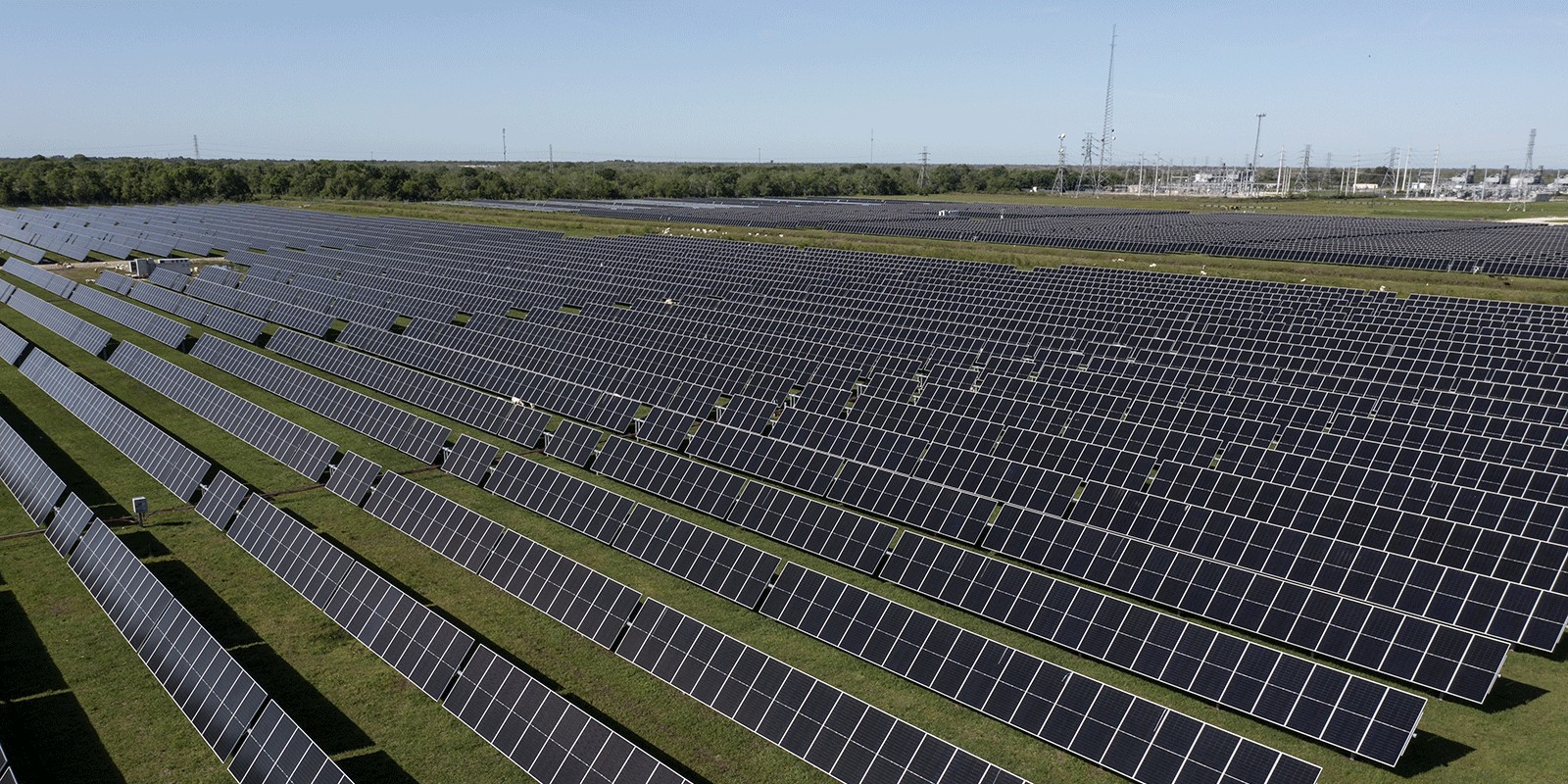
Solar deployment is outpacing natural gas generation growth globally, with renewable energy now cheaper and more reliable than fossil fuels in most markets. A new report from Ember, a climate and energy think tank, found that 61 of 124 economies have already peaked in gas-powered electricity generation. This includes four G7 nations: the UK, Germany, Italy, and Japan.
The shift reflects a fundamental economic reality. Solar costs have collapsed over the past decade, making new solar capacity cheaper than operating existing gas plants in many regions. Battery storage improvements have addressed intermittency concerns that once favored gas as a flexible backup. Wind and solar combined now provide more economic value than natural gas in developed markets.
The trend accelerates as utilities recognize the financial case for renewables. Gas peaking in wealthy nations foreshadows broader global transitions. Countries like Australia, Denmark, and Portugal have already crossed into post-peak gas territory. Even nations with substantial gas infrastructure and export industries acknowledge the direction of travel.
Natural gas won't vanish overnight. It remains useful for industrial heat and as a bridge fuel during grid transitions. But its role as a primary generation source is contracting. Utilities worldwide now plan gas retirements, not expansions. New gas plants struggle to secure financing as investors recognize stranded asset risks.
The automotive sector tracks this energy shift closely. EV charging networks expand where grids depend less on fossil fuels. Battery production scales fastest in regions with clean power. Automakers increasingly tie supply chains to renewable energy availability. The power grid's transition to solar and wind directly enables electrification targets for vehicles.
Ember's data confirms what energy markets already price in. Peak gas arrived earlier than many predicted. Renewable costs continue dropping while fossil fuel prices face geopolitical volatility and carbon regulation pressure. The economic momentum now favors solar and wind across nearly every developed economy.