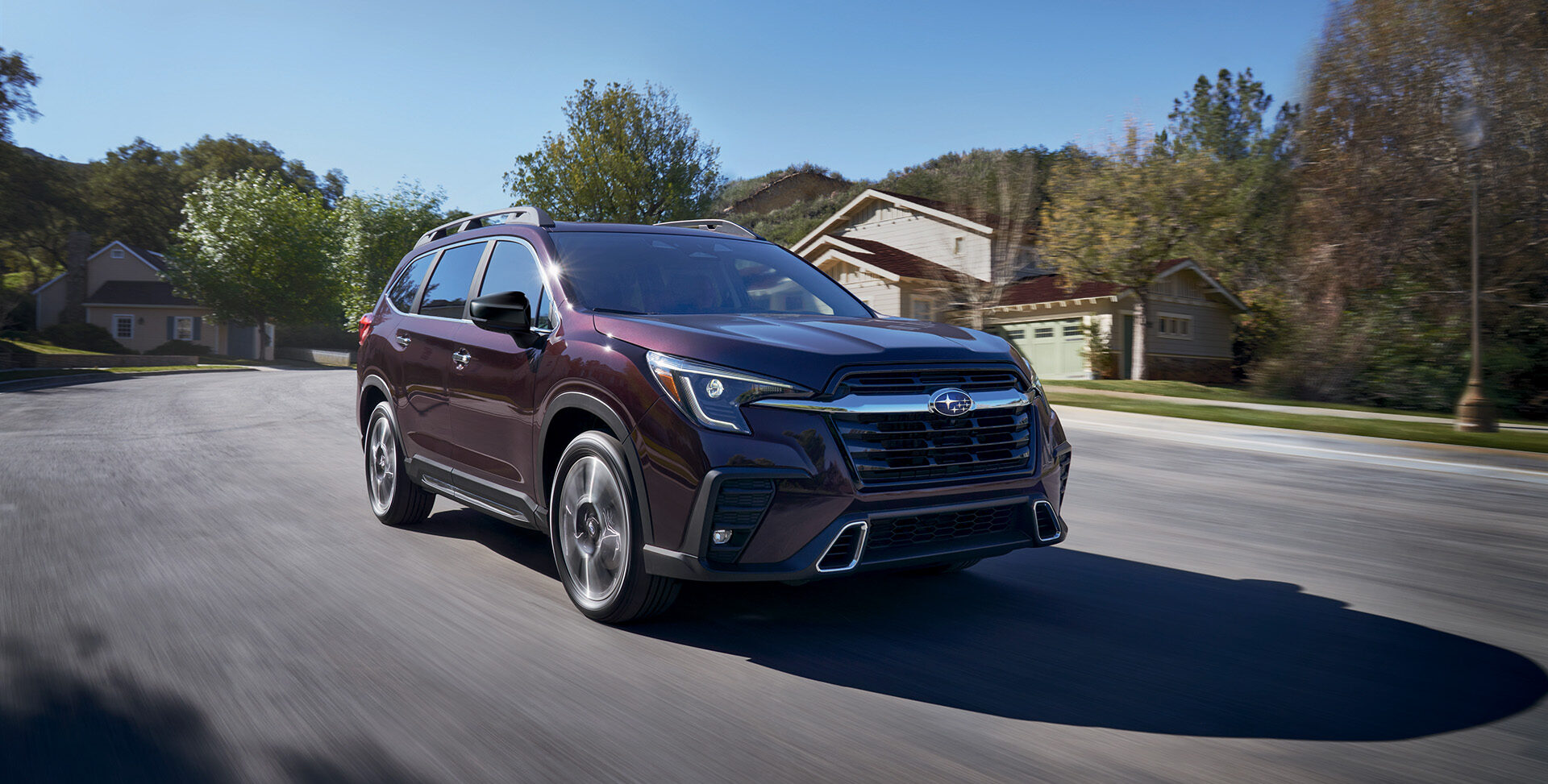
Subaru joins Toyota, Honda, and Nissan in exploring imports of large US-built passenger vehicles into Japan, a move driven primarily by diplomatic trade relations rather than consumer appetite.
Japanese automakers face persistent pressure from the US government to purchase American-made vehicles as part of bilateral trade negotiations. Large pickup trucks and SUVs dominate US production, but these vehicles command minimal demand in Japan's crowded cities where compact cars and kei vehicles remain preferred. Parking constraints, narrow roads, and fuel costs make American full-size trucks impractical for most Japanese buyers.
The strategy reflects how trade politics shape automotive supply chains. Rather than responding to genuine market signals, Japanese manufacturers import US vehicles to satisfy American negotiators and maintain access to the lucrative American market. These imports function as goodwill gestures that cushion trade relationships.
Subaru's consideration arrives as the automaker expands its US manufacturing footprint. The company operates plants in Indiana and Japan, positioning it to export American-built vehicles if political pressure intensifies. Japanese OEMs already export limited quantities of US-made pickup trucks to Japan, but volumes remain token compared to overall Japanese vehicle sales.
This diplomatic dance reflects deeper trade imbalances. The US market welcomes Japanese vehicles freely, while Japanese consumers show little organic interest in American passenger cars. Rather than address structural differences in vehicle preferences and infrastructure, policymakers leverage import targets as scorecards for trade compliance.
For Subaru, the calculus centers on maintaining harmony with Washington while acknowledging weak Japanese demand for American vehicles. Actual sales volumes matter less than demonstrating corporate willingness to participate in bilateral trade theater. Japanese manufacturers understand these imports represent political necessity, not business opportunity.