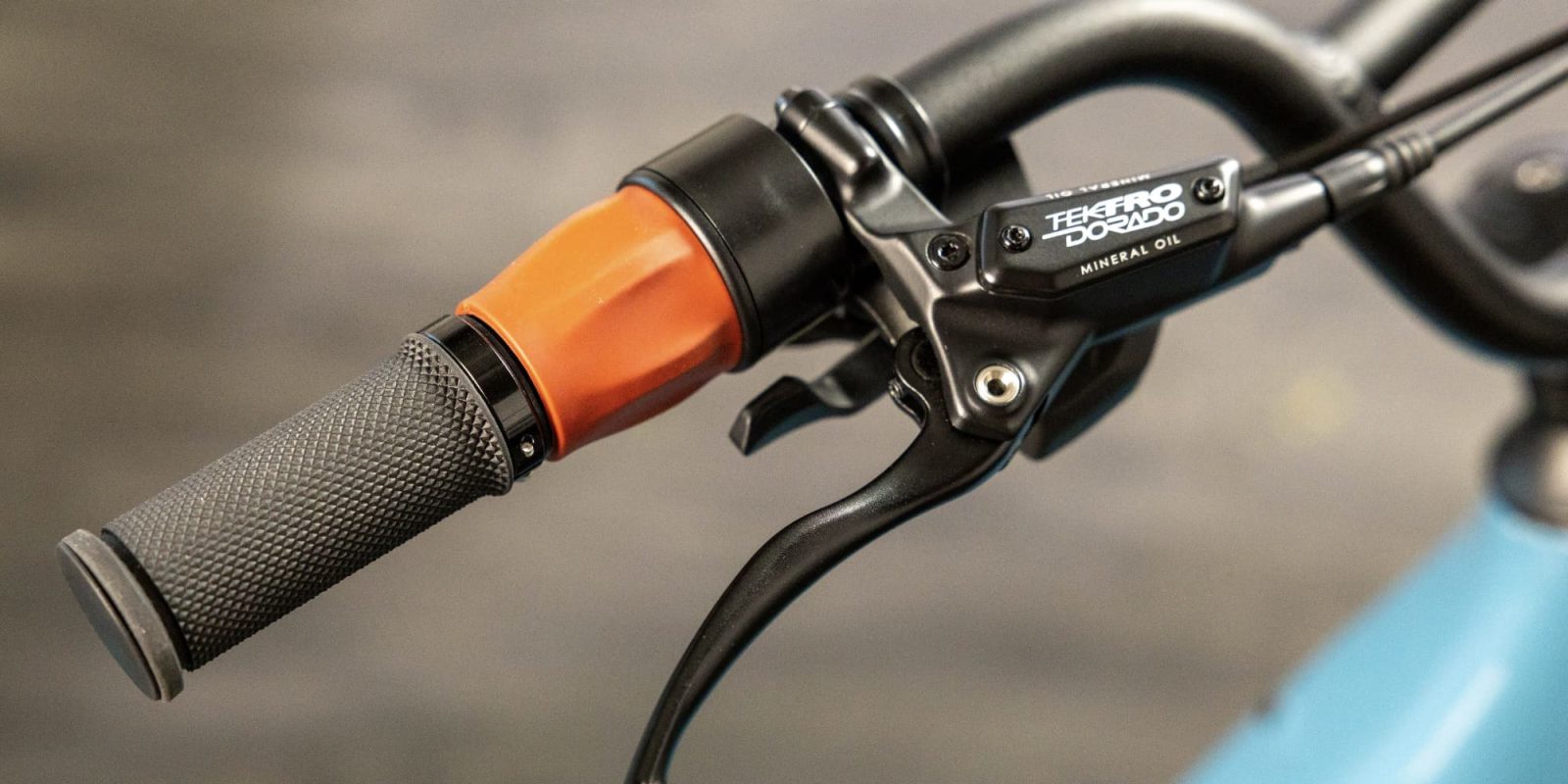
E-bike throttles have degraded in quality over the past decade, according to longtime riders and industry observers. Early e-bikes featured more responsive, intuitive throttle designs that delivered smooth, predictable power delivery. Modern throttles often suffer from dead zones, lag, and inconsistent feel that frustrate experienced riders.
The culprit lies in cost cutting and supply chain consolidation. Mass-market e-bike manufacturers have shifted production toward the cheapest possible components. Budget throttle modules from Asian suppliers now dominate the market, prioritizing manufacturing expense over ergonomics or responsiveness. Where premium e-bikes once featured custom-tuned throttles calibrated for specific motors, today's bikes rely on generic, one-size-fits-none units that work adequately but feel mediocre.
Regulatory pressure compounds the problem. As governments impose stricter pedal-assist requirements and speed limits, manufacturers have constrained throttle behavior through firmware limitations. Many newer throttles operate with narrower power bands and slower ramping curves designed to meet compliance standards rather than optimize rider experience.
Competition from e-scooters has also fragmented the market. Established e-bike component suppliers now split resources between bicycle throttles and scooter controls, reducing innovation focus on either. Smaller, specialized throttle manufacturers have largely exited the market, unable to compete with volume-driven competitors.
The economic reality matters too. E-bike pricing pressure forces manufacturers to eliminate perceived luxuries. Riders prioritize motor power and battery capacity in spec sheets. Throttle quality remains invisible in marketing materials, making it expendable from a business standpoint.
Experienced riders notice the difference immediately. Early adopters enjoyed tactile feedback, precise modulation, and consistent response across temperature ranges. Current throttles often exhibit mushiness, unpredictable engagement, and performance variance. The erosion compounds on longer rides, where throttle