# F1's Missing Circuits: A Safety Standard Disconnect
Formula 1's calendar has contracted significantly over the past two decades, dropping beloved circuits in favor of newer, purpose-built facilities. Jalopnik readers are vocal about which tracks deserve a return to the grid, and the conversation reveals a fundamental tension in modern motorsport.
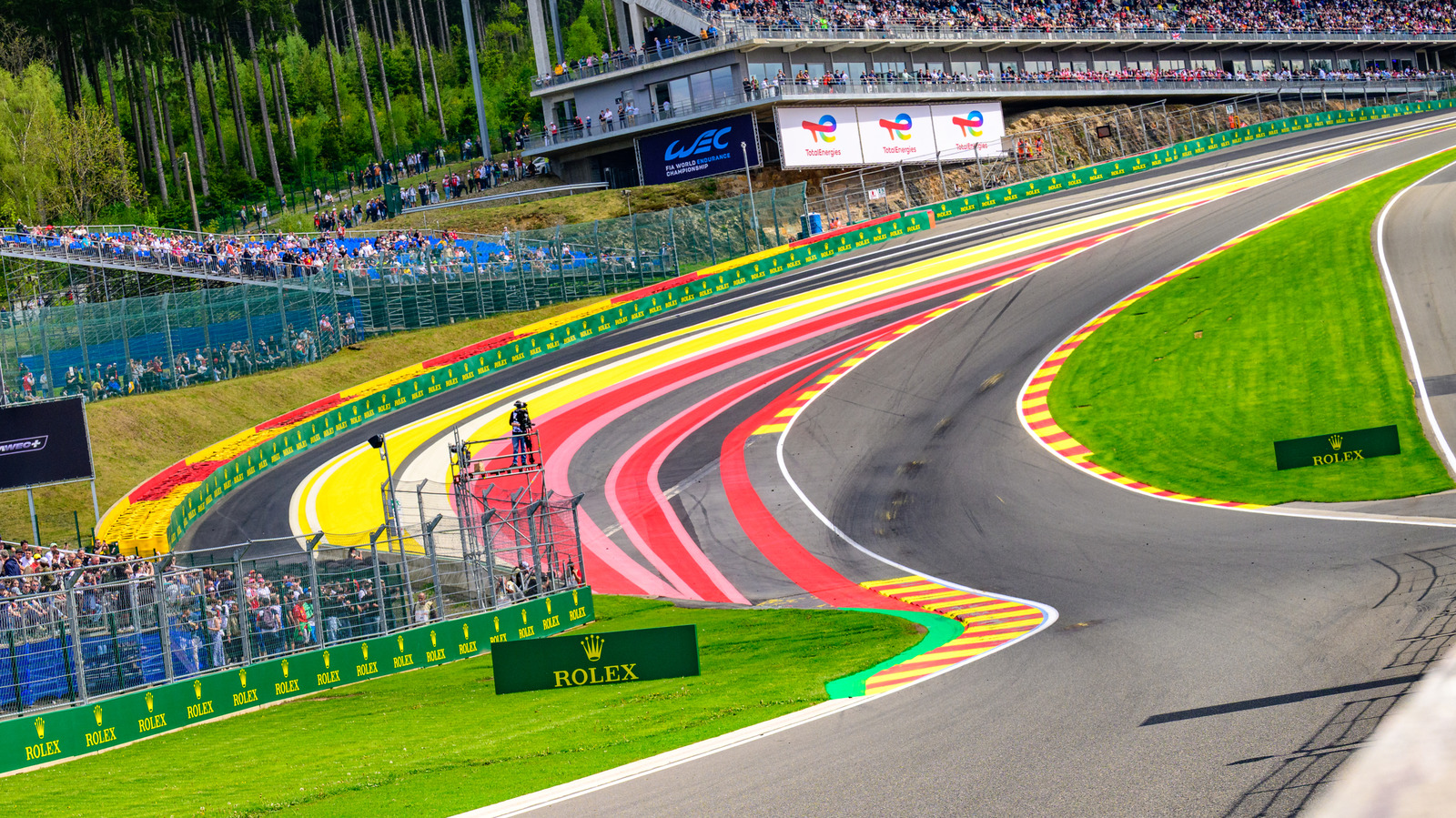
Classic circuits like Imola, Donington Park, and Spa-Francorchamps represent racing heritage that contemporary venues cannot replicate. These tracks feature elevation changes, authentic chicanes, and driver-focused layouts that challenge modern cars in ways sterile, cookie-cutter circuits do not. Yet here's the problem: most readers acknowledge these venues cannot meet current FIA safety standards.
F1's safety infrastructure demands have exploded. The halo device, improved barriers, medical facilities, and run-off zones represent non-negotiable requirements for hosting grands prix. Retrofitting historic circuits to meet these specifications costs tens of millions and often destroys the character that made them special in the first place. Donington Park, for instance, would require massive modifications to its layout and permanent structures.
Liberty Media's strategy favors new circuits in emerging markets. Abu Dhabi, Las Vegas, and Miami generate broadcast revenue and corporate hospitality that Midwestern or European classics cannot match. The business reality overwhelms nostalgia. F1 operates as a global entertainment product, not a championship of nation states competing on iconic backdrops.
The disconnect between fan preference and commercial viability shapes current F1 politics. Fans want racing that separates the wheat from the chaff, where setup mistakes cost time and overtaking demands genuine skill. Modern circuits prioritize spectator sightlines and corporate suites. The FIA's safety mandates, while necessary and non-negotiable, cement the preference for new venues designed from scratch with those requirements baked in.