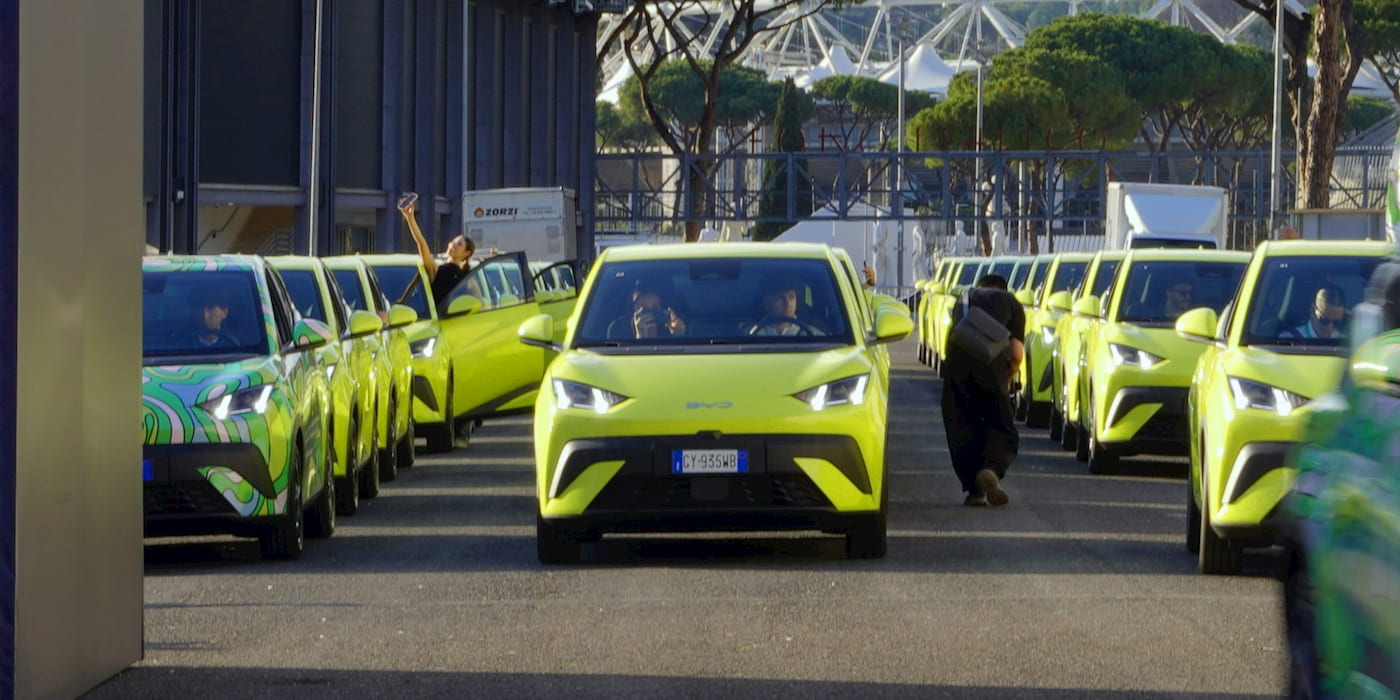
BYD's CEO has declared the Chinese automaker will dethrone Toyota as the world's leading manufacturer within five years. The ambition reflects BYD's stunning ascent. The company already outsold Ford globally and holds the crown as the world's largest EV maker by volume.
BYD shipped 3.02 million vehicles in 2024, spanning battery electric vehicles and plug-in hybrids. That output now exceeds Ford's annual production. Toyota produced 11.2 million vehicles last year across all powertrains, so BYD faces significant ground to cover. The gap narrows when considering pure EV sales. BYD dominates electrified vehicles in China, where EV adoption accelerates faster than anywhere else.
The Chinese manufacturer's scale stems from vertical integration, battery manufacturing expertise, and cost discipline. BYD builds its own batteries, powertrains, and semiconductors, trimming expenses rivals cannot match. This structure enabled aggressive pricing that pressured legacy competitors. Ford and General Motors struggle with legacy costs and factory networks optimized for internal combustion engines.
Toyota's lead rests on reliability, global market penetration, and hybrid technology strength. The Japanese giant sells across every continent with established dealer networks. However, Toyota moved late on battery electrification compared to BYD. Toyota's hybrid strategy proved profitable but consumed resources that could have accelerated full EV development.
The five-year target assumes continued EV growth, Chinese market stability, and successful international expansion for BYD. The company operates plants in Thailand, Indonesia, and Brazil but has minimal presence in North America and Europe, where tariffs and regulatory barriers block Chinese automakers.
BYD's rise reshapes the industry's power structure. Legacy Western and Japanese makers confronted technological disruption from an unexpected competitor. BYD proved that vertical integration and ruthless cost control could outpace