Hybrid vehicles handle temperature extremes differently than pure electric cars, though both powertrains lose efficiency in harsh conditions. The distinction matters for buyers comparing these technologies.
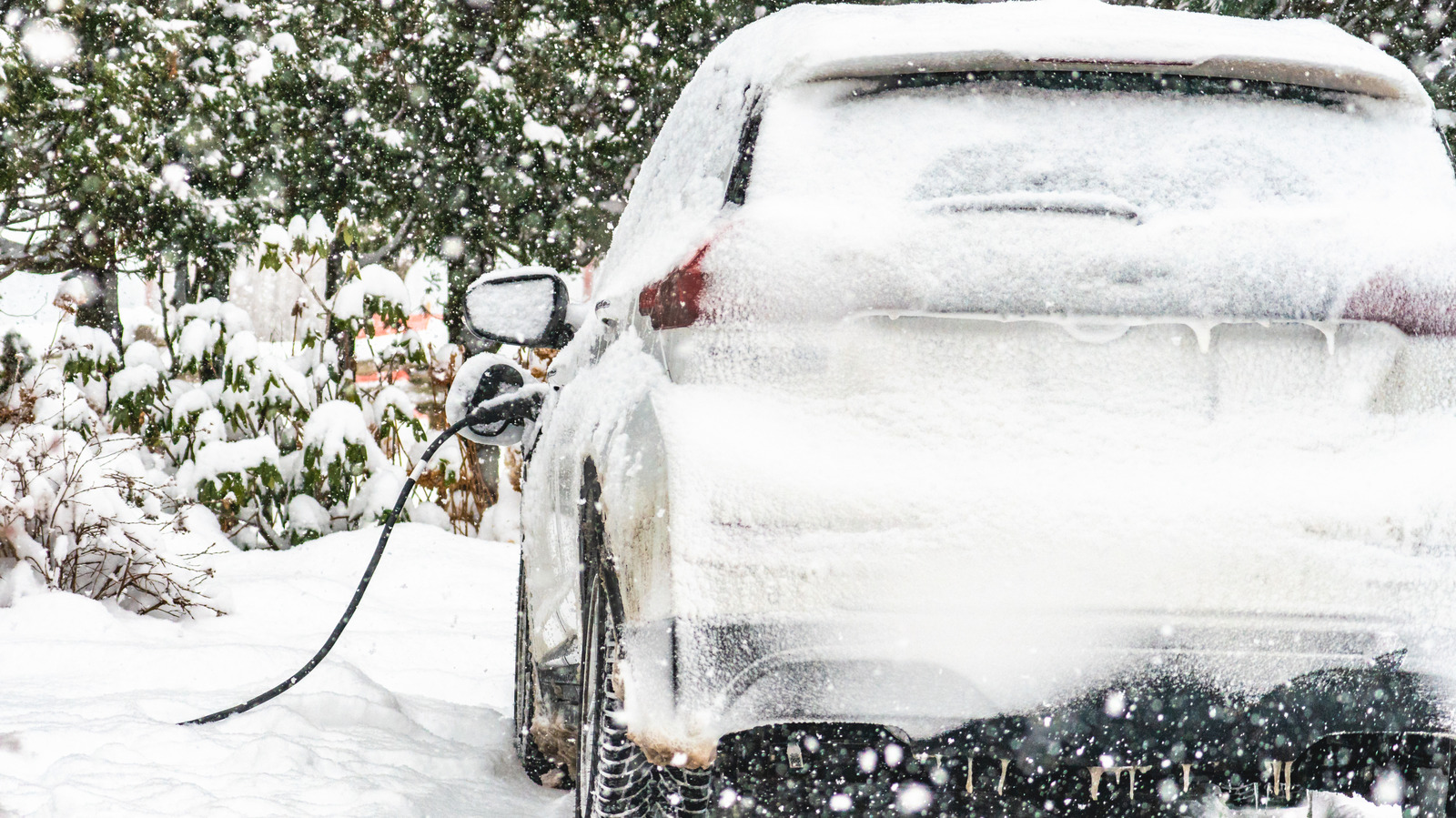
Electric vehicles suffer the steepest efficiency penalties in cold weather because batteries lose chemical reactivity below freezing. An EV's range can drop 20 to 40 percent in sub-zero conditions. Heating the cabin also drains battery capacity directly since there's no waste heat from an engine. Heat similarly reduces EV range, though less severely, because batteries work harder to manage thermal stress and cooling systems consume power.
Hybrids avoid the worst of these penalties because their gasoline engines generate substantial waste heat. In winter, that heat warms the cabin without battery drain. The internal combustion engine also performs adequately in cold, unlike EV batteries which lose charge acceptance. Winter hybrid efficiency does decline, but typically 10 to 20 percent. Hot weather impacts hybrids less dramatically too. While battery packs still suffer from extreme heat, the gasoline engine carries the load during peak thermal stress rather than the hybrid battery absorbing the full burden.
The tradeoff exists elsewhere. Hybrids can't fully utilize regenerative braking in extreme cold because batteries won't accept charge efficiently. EVs, despite their temperature sensitivity, operate at peak efficiency in moderate climates year-round once thermally stable. Hybrids always sacrifice some efficiency to carry dual powertrains regardless of season.
For buyers in cold climates, hybrids deliver more predictable year-round fuel economy. Those in temperate regions find EV efficiency advantages more consistent. The choice depends on local climate and driving patterns more than absolute efficiency ratings in laboratory conditions.