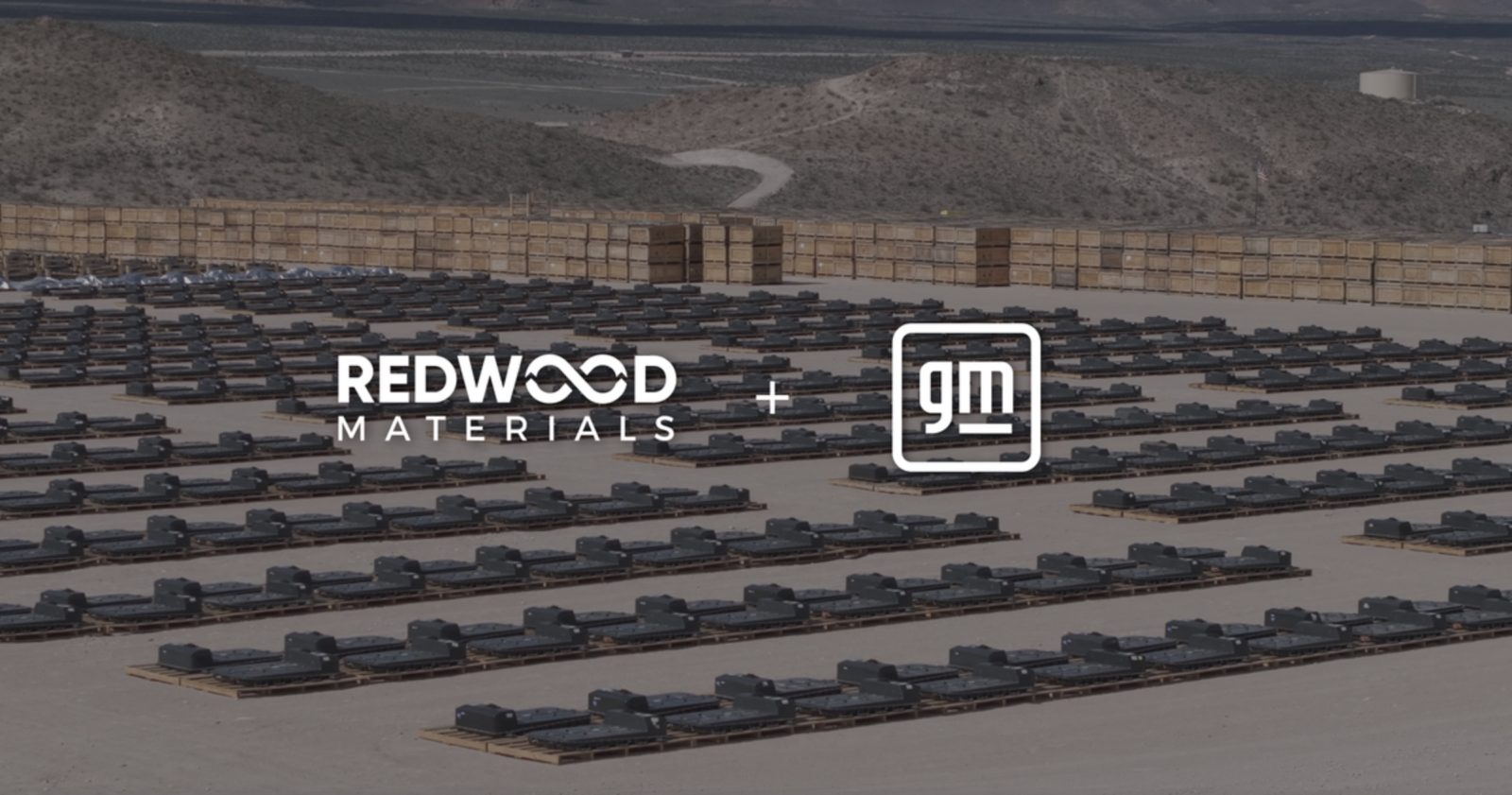
General Motors has become the first automaker to partner with Redwood Materials across the complete battery lifecycle. The arrangement spans manufacturing scrap recovery, end-of-life recycling, and second-life energy storage applications.
GM's latest move involves deploying a 1.5 MW / 7.2 MWh energy storage system at a Michigan manufacturing plant. Redwood constructed the system using roughly 100 repurposed GM battery packs. The installation will deliver over $3 million in electricity cost savings for the plant over its operational lifetime.
This partnership with JB Straubel's Redwood Materials reflects a broader industry shift toward battery circularity. As EV production scales, automakers face mounting pressure to manage supply chains sustainably and recover valuable materials like lithium, cobalt, and nickel. Second-life applications for degraded battery packs offer economic and environmental benefits before final recycling.
GM's three-pronged approach addresses different recovery stages. Manufacturing scrap recovery captures material waste during battery production. End-of-life recycling processes retired EV batteries. Second-life storage converts still-functional but capacity-reduced packs into stationary power systems for factories, microgrids, or backup power.
The economics work both ways. Redwood gains scale and proven demand for recycled batteries. GM reduces grid electricity costs, secures supply chain partnerships, and demonstrates corporate environmental commitment. Energy storage at manufacturing facilities also provides operational flexibility and demand charge reduction.
Other automakers pursue recycling partnerships. Volkswagen works with Redwood and other recyclers. Ford collaborates on battery recovery programs. Tesla operates its own recycling operations. Yet GM's comprehensive coverage across all three lifecycle stages represents a more complete commitment than most competitors.
Second-life energy storage represents a particularly valuable application. Rather than immediately shredding retired EV batteries, second-life systems extend