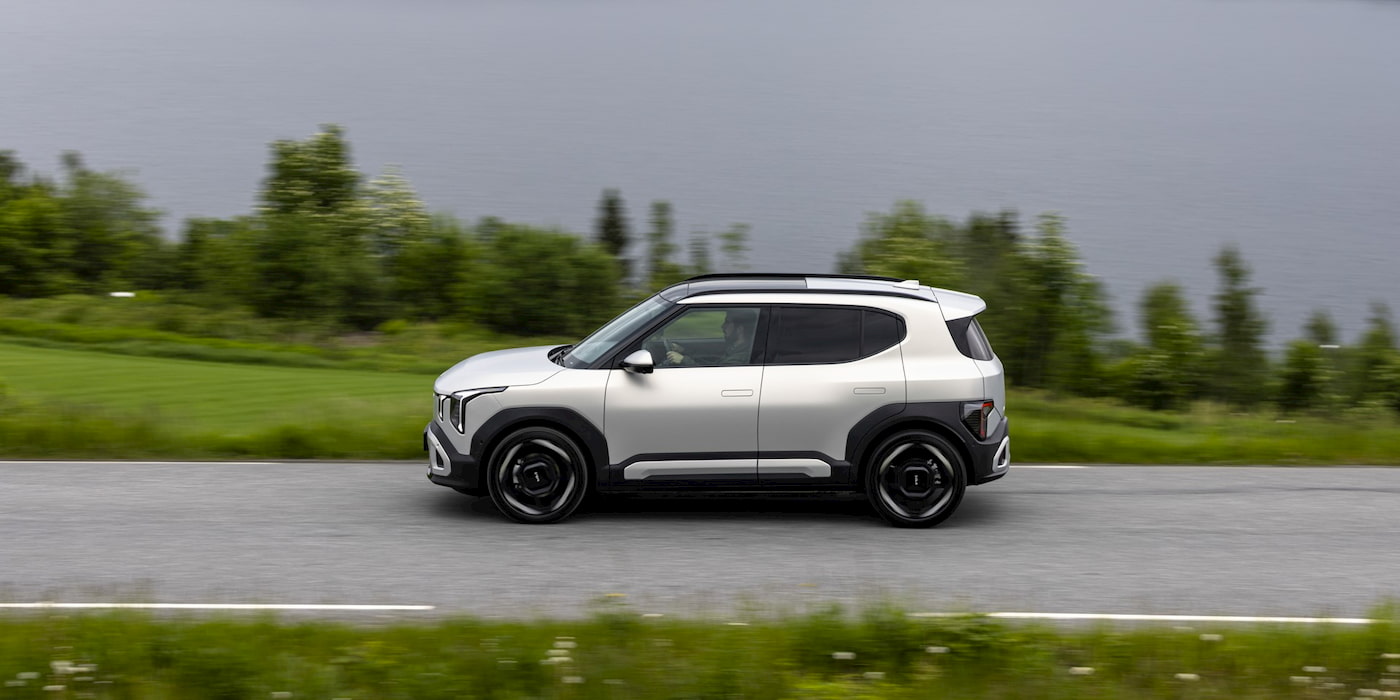
Kia's EV2 delivered real-world range that nearly doubled its official EPA estimate in independent testing, positioning the smallest EV in Kia's lineup as a class leader for efficiency.
The compact electric SUV achieved 105% of its rated range during a real-world test, crushing competitors in its segment. This performance gap matters because EPA estimates typically reflect conservative lab conditions. When a vehicle beats its official figure by this margin, it signals either exceptionally efficient engineering, favorable driving conditions, or both.
Kia engineered the EV2 as an accessible entry point to electric vehicles, targeting buyers who want SUV practicality without the size and price of larger models like the EV6 or EV9. The subcompact SUV segment has become crowded with Tesla Model Y competitors and Chinese imports, making efficiency claims a genuine differentiator.
The test results carry weight in a market where range anxiety remains a purchase barrier for mainstream buyers. Beating official estimates by over 100% suggests the EV2 delivers genuine value in daily driving, where real-world efficiency depends on driving style, terrain, and weather. Kia's smallest electric vehicle apparently handles these variables better than its competitors.
This performance positions the EV2 against models like the Tesla Model Y and upcoming Chinese competitors in the affordable EV segment. Kia's ability to engineer efficiency into a smaller, presumably lower-cost package strengthens its EV portfolio strategy. The brand has invested heavily in electric vehicle development, and results like these validate that approach.
For buyers shopping compact electric SUVs, the EV2's real-world efficiency makes it a serious contender. The gap between official and actual range means fewer charging stops on longer trips and lower energy costs per mile. In a segment where buyers often choose based on price and practicality, delivering better-than-advertised range becomes a