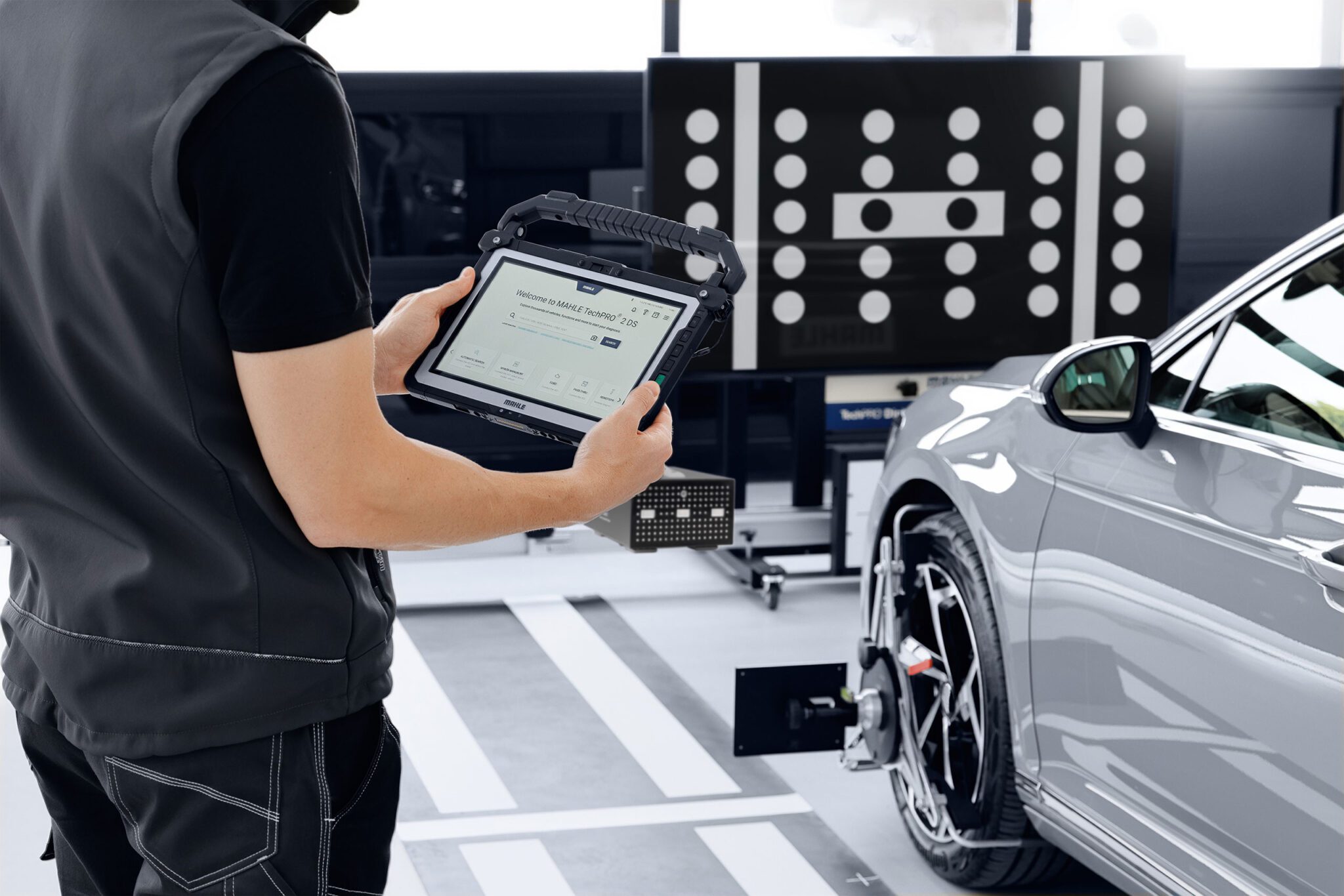
Mahle and Rohde & Schwarz have introduced the first standardized testing protocol for verifying advanced driver assistance systems after body repairs. This addresses a critical gap in the repair industry where workshops lacked documented proof that ADAS sensors functioned correctly following collision work.
The collaboration creates a validated framework for technicians to confirm that radar, camera, and lidar sensors maintain proper calibration and performance after bodywork. This matters because ADAS failure post-repair represents a significant liability and safety risk. Vehicles depend on these sensors for adaptive cruise control, lane-keeping assist, automatic emergency braking, and collision avoidance. A misaligned or damaged sensor could fail silently, leaving drivers without critical safety features they expect to work.
Standardized ADAS testing addresses real-world challenges. Insurance companies, repair shops, and vehicle owners have struggled with inconsistent validation methods. Some shops used manufacturer-specific tools. Others relied on informal procedures. The lack of uniformity created disputes over repair quality and responsibility. Customers couldn't verify their cars actually worked correctly after a major repair.
Mahle, a major tier-one supplier of drivetrain and thermal management systems, brings expertise in sensor technology and calibration. Rohde & Schwarz contributes measurement and testing equipment used across automotive diagnostics. Together they've developed repeatable testing procedures and documentation standards that workshops can implement.
The move reflects broader industry pressure. As ADAS penetrates mainstream vehicles, repair shops face mounting demands to handle sensor diagnostics. Manufacturers like Tesla, BMW, and Mercedes-Benz already require certified technicians for ADAS work. This standardized protocol elevates the entire repair sector's capabilities.
The solution also protects repair businesses. Documented proof of proper ADAS function after repair protects against comebacks and liability claims. Shops gain competitive advantage by offering certified, traceable