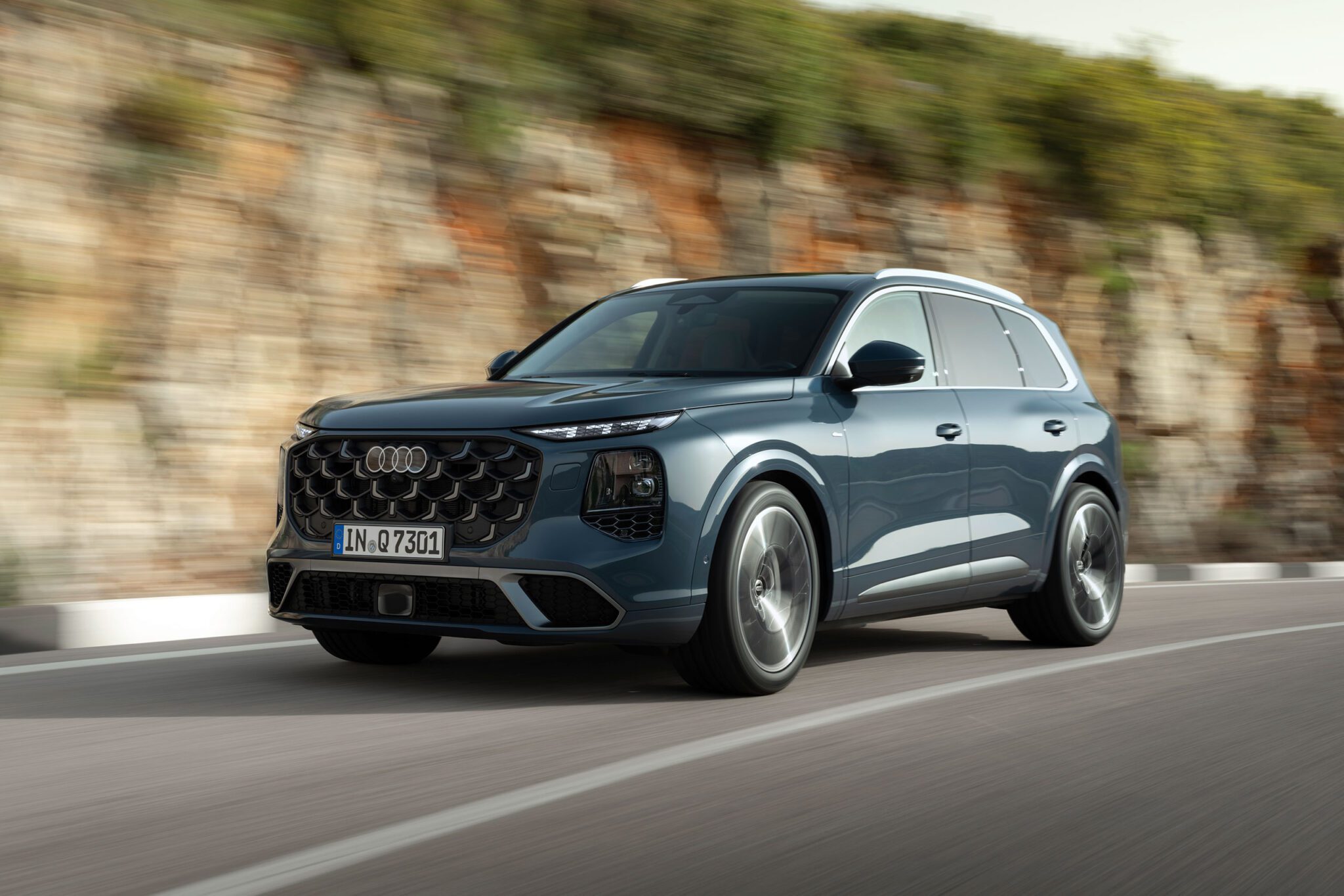
Audi revealed the third-generation Q7 with a commitment to diesel powertrains paired with mild-hybrid electric vehicle (MHEV) technology through at least 2026. The move reflects Audi's bet that mild electrification can extend the lifespan of combustion engines in premium mid-size SUVs, even as the industry shifts toward full electrification.
The Q7 remains one of Audi's flagship SUVs, competing directly against the BMW X5, Mercedes-Benz GLE, and Porsche Cayenne in a segment worth billions annually. By coupling diesel engines with MHEV systems, Audi gains efficiency gains of 10-15 percent typically associated with the technology without the cost and complexity of plug-in hybrid or full electric drivetrains.
Diesel engines still dominate European premium SUV sales, where fuel prices and infrastructure favor long-distance efficiency. Audi's decision signals confidence that European regulators will continue allowing efficient combustion vehicles alongside EVs throughout the remainder of the decade. This contrasts with some competitors who have accelerated EV-only timelines.
MHEV systems use small batteries and electric motors to recover braking energy, reduce engine idling, and provide brief electric assists during acceleration. They require minimal packaging changes and integrate seamlessly with traditional eight-speed automatics. For buyers seeking luxury, performance, and fuel economy without EV compromises like charging infrastructure concerns or battery cost, the formula appeals.
The third-gen Q7's diesel-plus-MHEV strategy also hedges Audi's portfolio risk. Full EV adoption faces headwinds in markets where charging networks remain sparse and battery costs remain high. By maintaining competitive combustion alternatives alongside its growing EV lineup (the Q4 e-tron, e-tron GT), Audi