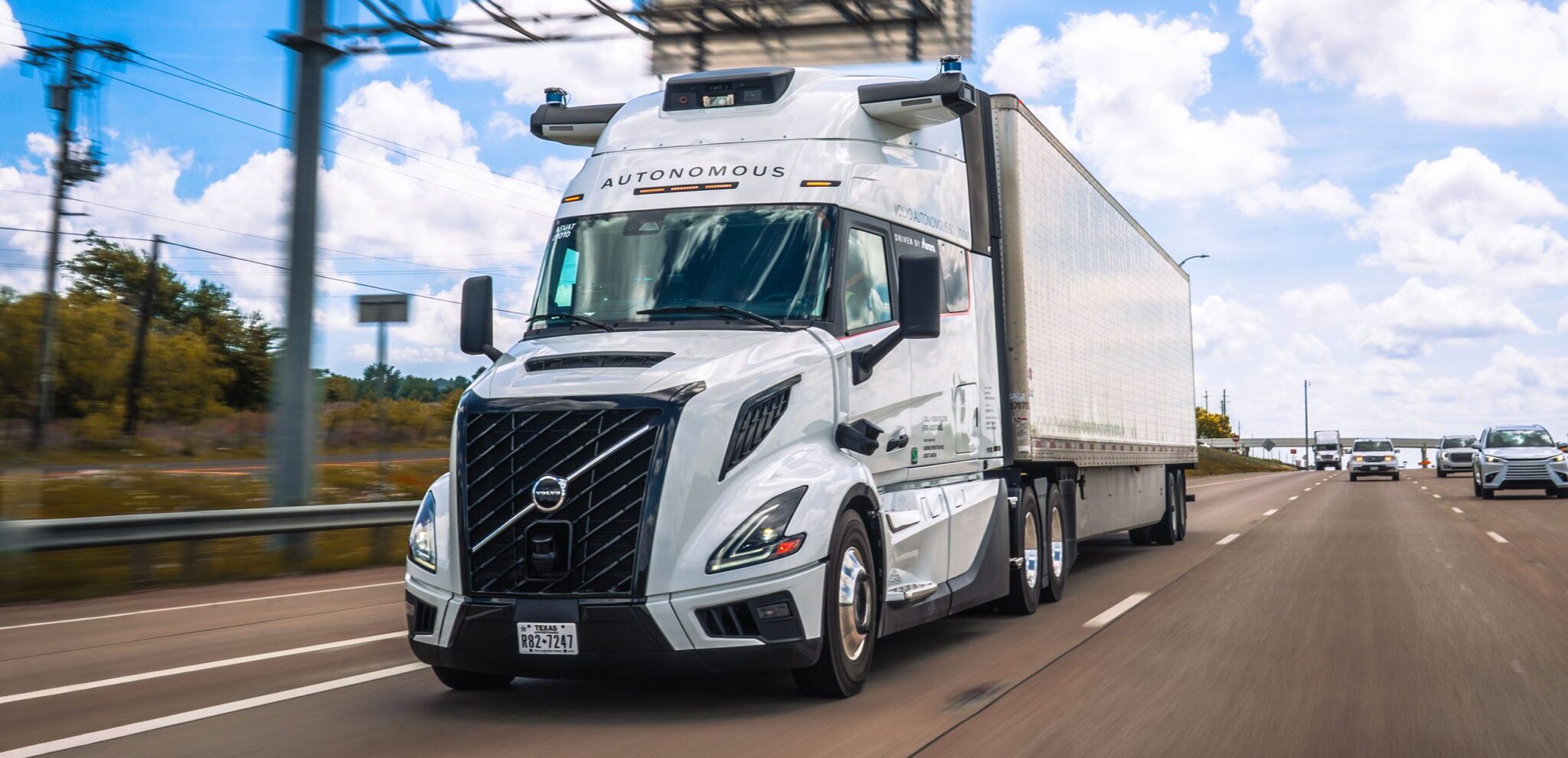
Volvo Group targets $3 billion in autonomous vehicle revenue by 2031, positioning itself as a frontrunner among traditional truckmakers betting on self-driving technology. The Swedish manufacturer has publicly committed to building autonomous capabilities into its commercial vehicle lineup rather than ceding the space to tech startups.
The company's strategy focuses on Level 4 autonomy, where vehicles operate without human intervention in defined conditions. Volvo plans to deploy autonomous trucks on specific routes and in controlled environments like mining operations and port facilities. These controlled settings offer easier pathways to profitable deployment than attempting fully autonomous fleets across open highways.
Revenue targets of $3 billion by 2031 represent a meaningful bet on commercialization timelines that most legacy automakers have grown cautious about. The figure signals confidence in customer demand for autonomous solutions that reduce labor costs and improve safety metrics. For trucking operators, autonomous technology addresses acute driver shortages plaguing the industry across Europe and North America.
Volvo's transparency around autonomous development differentiates it from competitors like Daimler and PACCAR, which have moved more cautiously. By naming specific revenue targets, Volvo accepts accountability for delivery. The company has invested in autonomous startups and partnerships to accelerate development rather than building everything in-house.
Commercial trucking represents the logical first battleground for autonomous vehicles. Long-haul trucking generates predictable routes, relatively simple decision trees compared to urban driving, and immediate economic benefits from eliminating driver wages. Volvo's focus on point-to-point logistics and industrial operations sidesteps the harder technical challenges of urban autonomy.
Competitors watch closely. PACCAR and Daimler Trucks will evaluate whether Volvo's timeline proves realistic. If the Swedish company achieves early profitability with autonomous trucks in controlled settings, it could accelerate industry-wide adoption. If execution falters