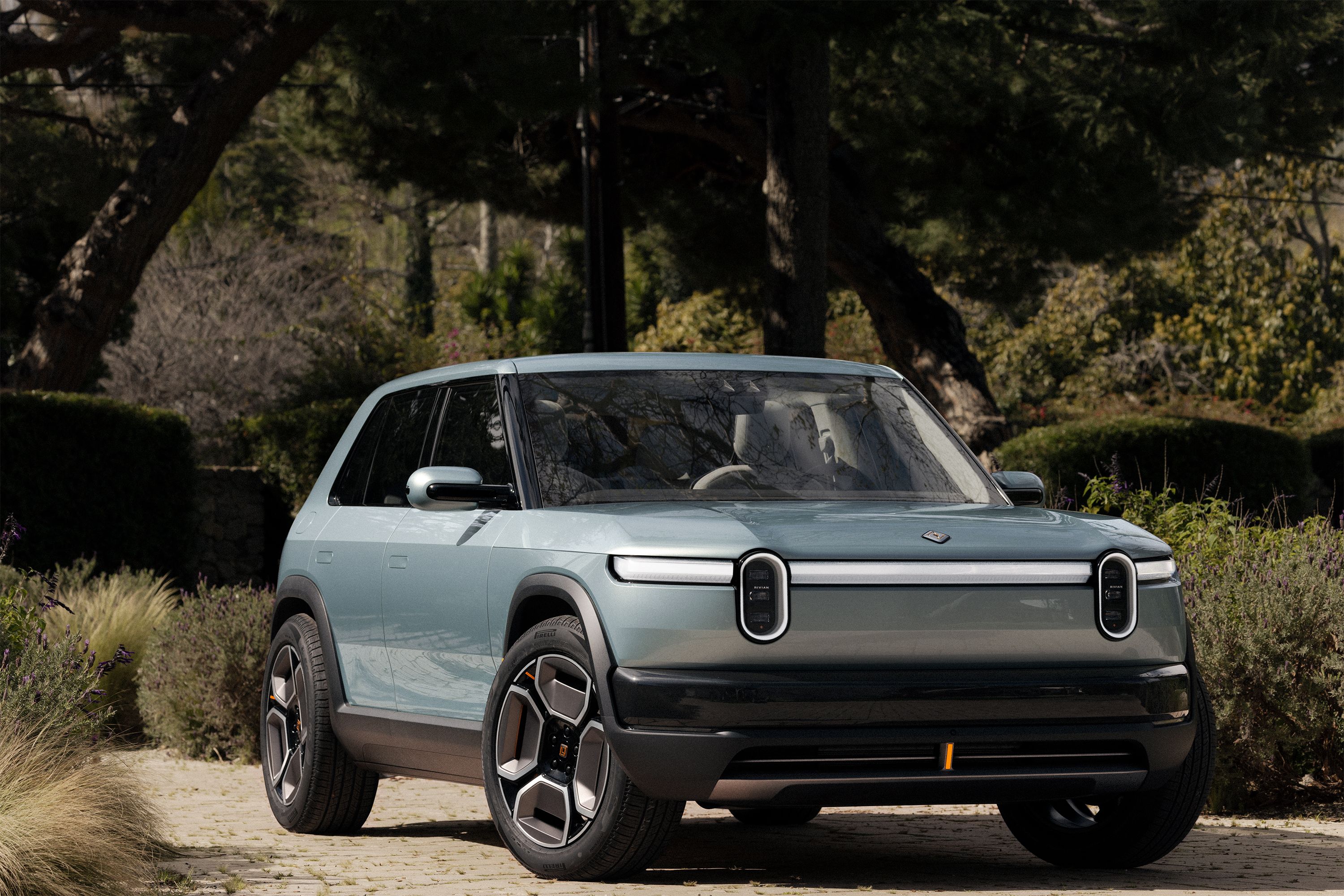
Rivian confirmed the R3 and R3X for 2029 arrival, expanding its lineup below the R1T pickup and R1S SUV. The compact electric vehicles target the mass market, a departure from Rivian's current focus on premium segments.
The R3 will serve as a traditional compact sedan. The R3X takes the same platform and stretches it into a compact crossover. Both models sit on a new, smaller skateboard chassis designed for affordability and efficiency. Rivian has not released pricing, range, or powertrain details yet, but company leadership indicated these vehicles will undercut the R1-series significantly.
This move positions Rivian directly against Tesla's upcoming mass-market lineup, particularly the sub-$30,000 models Tesla has promised. The R3 and R3X also compete with traditional automakers entering the affordable EV space. Volkswagen ID.3, Chevrolet Equinox EV, and Hyundai models already dominate this segment globally.
Rivian faces a critical timing challenge. The company currently burns through cash and remains unprofitable. Launching affordable EVs requires capital-intensive manufacturing retooling at its Illinois and Georgia plants. Rivian management believes the R3-series will drive volume and achieve profitability faster than waiting for premium customers alone.
The 2029 launch window appears conservative. Competition for budget EV market share intensifies as Chinese manufacturers like BYD and NIO expand. Tesla's mass-market vehicle arrivals could shift that timeline pressure upward.
Rivian's brand positioning matters here. Current customers paid $70,000-plus for R1T and R1S models. A $30,000-40,000 R3 changes the company's identity and potentially dilutes perceived quality. The brand must prove it can deliver luxury