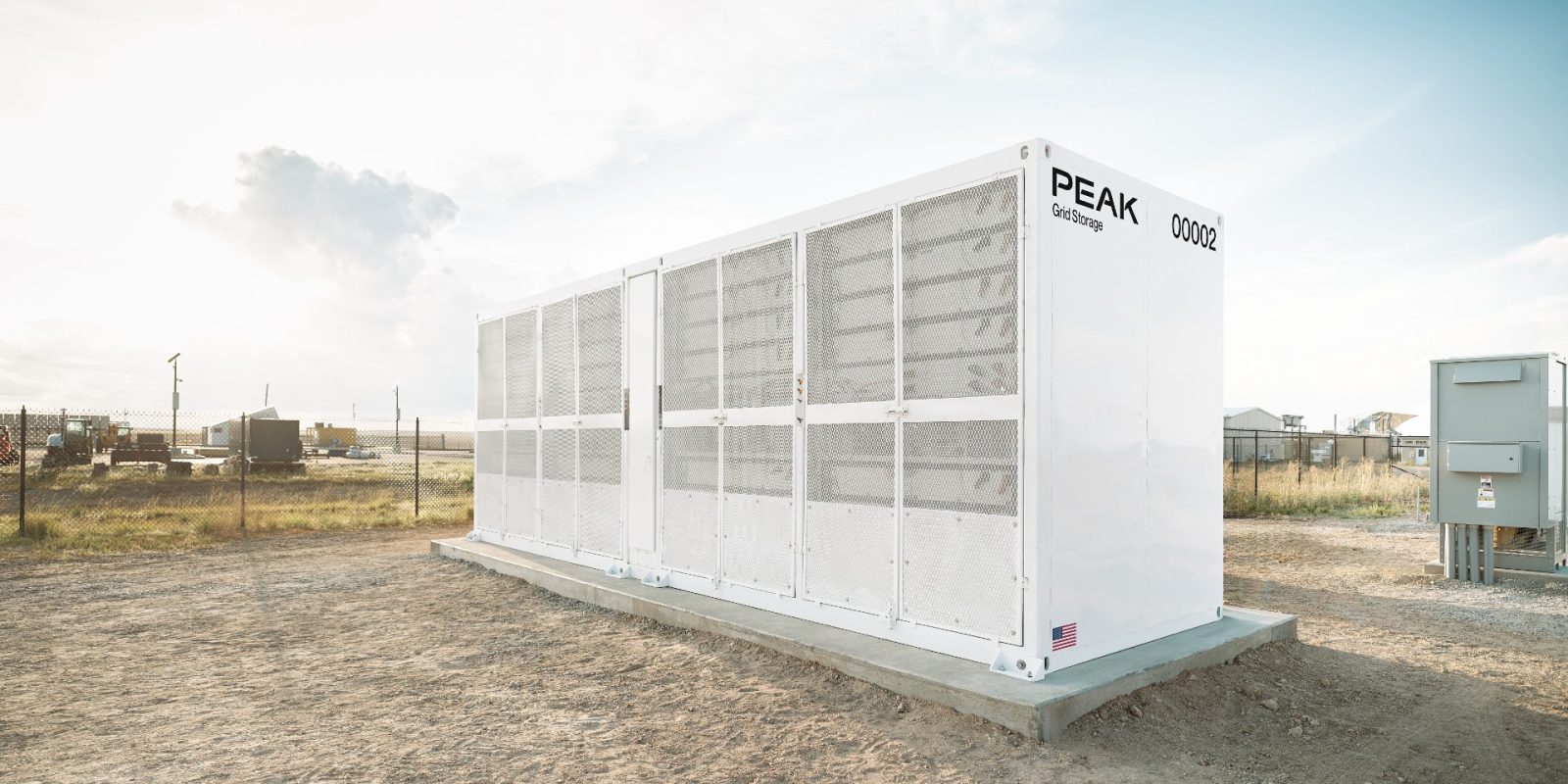
General Motors is pivoting toward sodium-ion battery technology through a strategic investment in Peak Energy, but not for passenger vehicles. GM Ventures is backing Peak Energy's development of next-generation sodium-ion cells designed specifically for grid-scale energy storage projects.
This move reflects a broader industry shift in battery chemistry. Lithium-ion dominates EV powertrains, but sodium-ion offers distinct advantages for stationary storage. Sodium costs less, sources more readily without supply-chain bottlenecks, and doesn't require the same mineral-intensive mining operations that lithium demands. Energy density matters less for grid storage than it does for vehicles, making sodium-ion a practical alternative for utility-scale applications.
GM's partnership with Peak Energy signals the automaker recognizes opportunities beyond passenger-vehicle electrification. Grid storage has become critical infrastructure as utilities integrate renewable energy and manage peak demand. Companies investing in battery storage now position themselves for long-term revenue streams tied to energy infrastructure, not just automotive sales.
The timing matters. As EV sales face headwinds in certain markets and competition from Chinese manufacturers intensifies, legacy automakers like GM are diversifying revenue models. Energy storage allows companies to capture value across multiple segments: manufacturing, installation, and potentially long-term service contracts.
Peak Energy's sodium-ion cells target a market segment where traditional lithium technology proves overspecified and expensive. A 10-megawatt storage installation doesn't require the performance envelope demanded by a Tesla Model 3. Sodium-ion chemistry delivers adequate cycle life and efficiency at a lower cost per kilowatt-hour.
GM's investment also hedges against lithium supply risks. South Korea's SK Innovation and China's CATL lead sodium-ion development, but American players gaining expertise now could gain competitive positioning as grid storage demand accelerates. Federal incentives through the Inflation Reduction Act encourage domestic battery manufacturing and energy