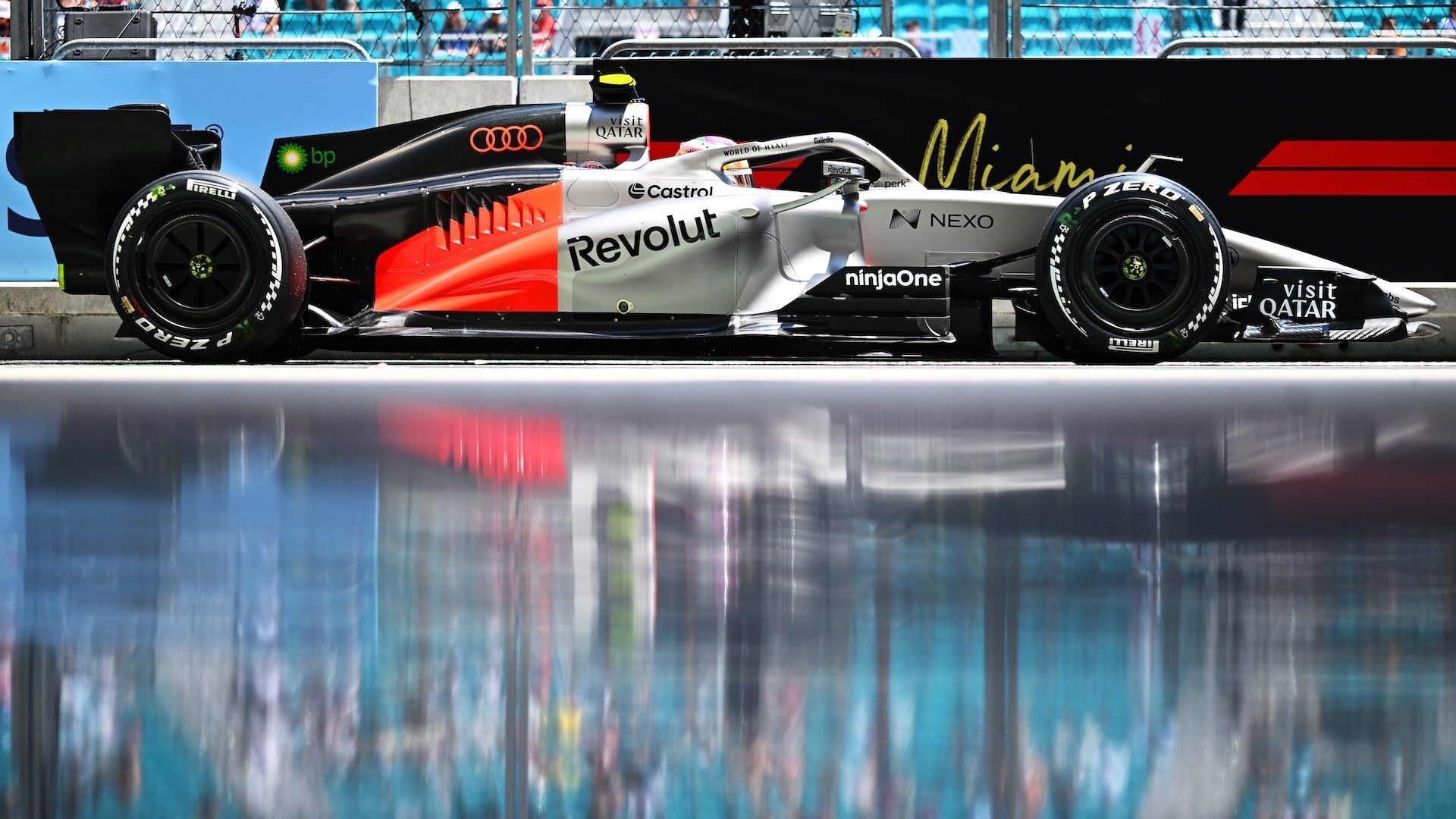
Audi entered Formula 1 in 2025 with ambitions befitting a manufacturer of its scale. Instead, the German brand faced immediate turbulence. Reliability problems plagued the team's power unit and chassis from the season opener, costing points and credibility. Engine failures, hydraulic issues, and other technical gremlins forced pit stop delays and early retirements that a rookie F1 operation cannot afford.
The on-track struggles coincided with a leadership overhaul. Audi's F1 project saw key personnel changes mid-season, signaling internal discord over performance targets and resource allocation. The reshuffling sent mixed messages about the team's direction and commitment level, a destabilizing factor when every weekend demands precision execution.
What matters here: Audi has deep pockets and manufacturing expertise, yet neither guarantees instant competitiveness in F1. The sport punishes inexperience. Teams like McLaren and Alpine needed years to move from midfield to podium contention. Mercedes built its dominance on meticulous design and relentless iteration. Audi's first season revealed gaps in operational efficiency and strategic planning that money alone cannot fix overnight.
The power unit proved the critical weakness. Audi's engine lacked the efficiency and reliability of established suppliers like Mercedes and Ferrari. Thermal management failures and boost-system issues suggested the development timeline was compressed. The team competed against manufacturers who refined their powerplants over years; Audi arrived with a product still finding its fundamentals.
The leadership changes indicated deeper problems. When executives shuffle roles or depart mid-season, it typically reflects missed targets and accountability pressure from parent company Volkswagen Group. F1 expects consistency and clear authority. Uncertainty at the top filters down to engineers and drivers.
For Audi, this first season served as a reality check. F1 requires not