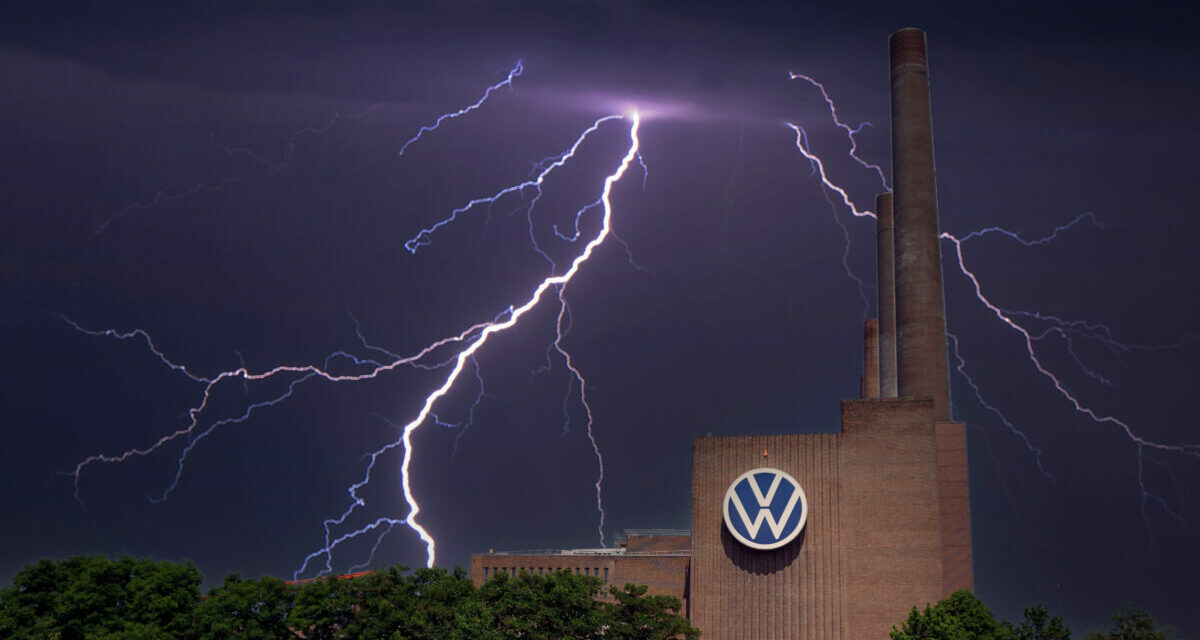
Volkswagen CEO Thomas Blume confirmed the automaker will cut 19,000 jobs by the end of 2026, marking the first phase of a deeper restructuring at the German manufacturer. The reductions represent a dramatic shift for a company that historically resisted layoffs through job-protection agreements with German unions.
Blume framed the 19,000 cuts as preliminary. The company faces steeper restructuring ahead, driven by slowing EV demand, intensifying competition from Chinese automakers, and the transition away from internal combustion engines. VW's core German operations have become bloated relative to revenue, with manufacturing capacity utilization well below breakeven thresholds.
The carmaker confronts a brutal reality. Legacy operations in Germany carry pension obligations, high labor costs, and rigid work rules. Meanwhile, Tesla, BYD, and other competitors build EVs profitably with leaner operations. VW cannot simply maintain its current cost structure and survive the market's shift to electrification.
Blume's acknowledgment that worse cuts loom suggests negotiations with IG Metall, Germany's powerful metalworkers union, will stretch beyond 2026. Previous job-protection deals at VW guaranteed employment through 2029, but those commitments now collide with business reality. The company needs to shrink German headcount substantially, close underutilized plants, and consolidate production.
The 19,000 figure affects engineering, administration, and manufacturing roles across VW Group brands including Audi and Skoda. Production cuts likely follow, with older diesel platforms getting axed first. VW's luxury brands face pressure too. Porsche and Bentley, once profit engines, now drag on group finances as the market pivots to mass-market EV profitability.
VW's job cuts trail Stellantis and BMW in scale but signal