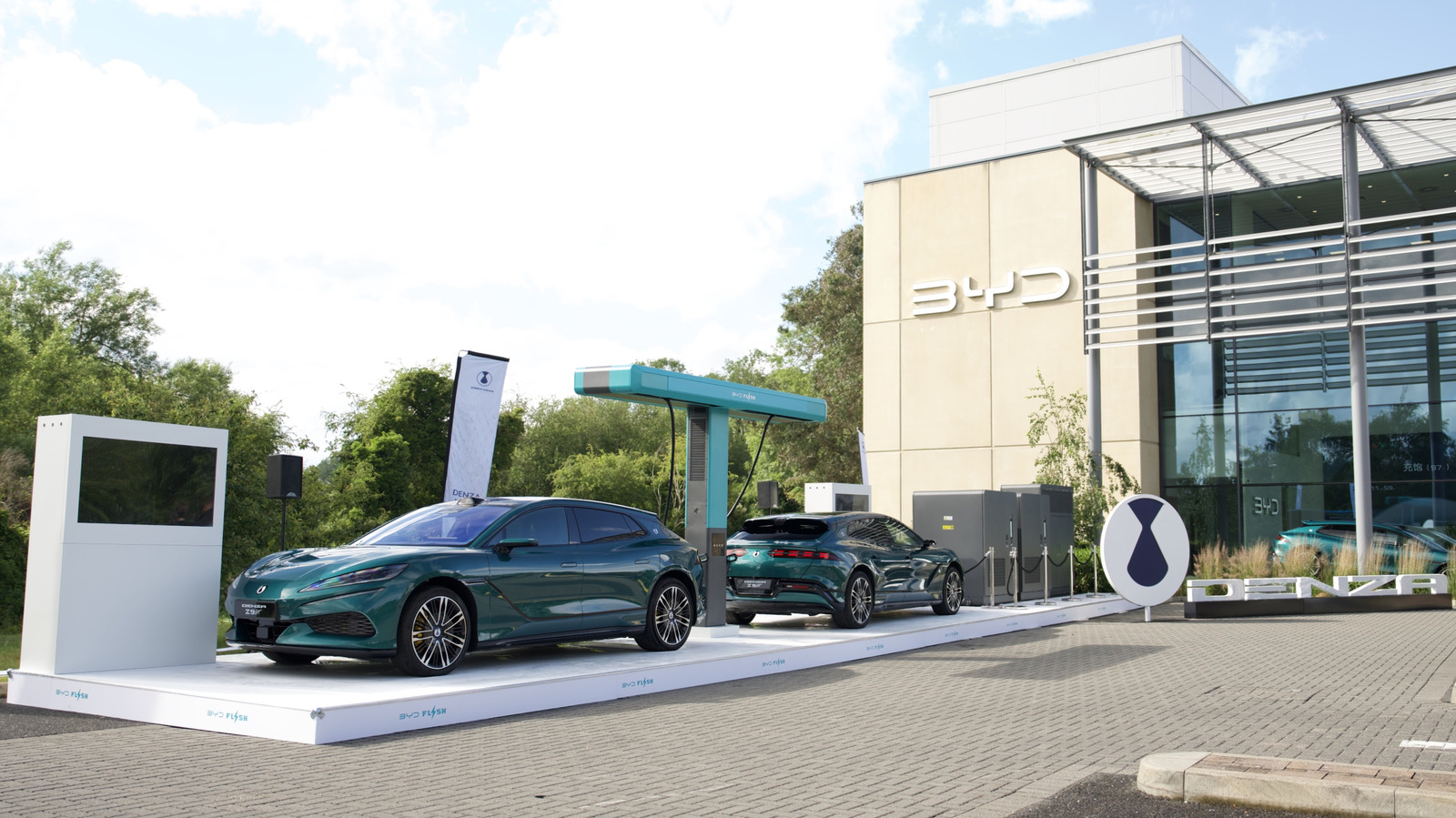
BYD plans to deploy its ultra-fast "Flash" charging technology in Canada, potentially delivering near-complete EV battery charges in roughly five minutes. The Chinese automaker's ambitious push into the North American market targets a persistent pain point for electric vehicle adoption: charging time anxiety.
The Flash charging system represents a significant leap beyond current fast-charging infrastructure. Most existing DC fast chargers deliver 150 to 350 kilowatts. BYD's technology operates at substantially higher power levels, enabling drivers to recover most usable battery capacity in the time it takes to grab coffee. The system works through specially engineered battery chemistry and thermal management that prevents the degradation typically associated with extreme charging rates.
This move signals BYD's confidence in its battery engineering prowess. The company manufactures its own cells and packs, giving it advantages in thermal control and power delivery optimization that competitors dependent on battery suppliers cannot match. BYD already commands roughly 60 percent of the global EV battery market and continues expanding manufacturing capacity worldwide.
For Canadian drivers, this technology addresses regional challenges. Northern climates demand larger batteries to maintain range in cold weather, extending charging times further. A five-minute charge window transforms the EV ownership experience, bringing it closer to gasoline refueling convenience and removing a major hesitation for cold-climate adoption.
BYD's Canadian expansion builds on momentum from its entry into North American markets. The company plans multiple vehicle launches across different segments while simultaneously developing charging infrastructure. This vertical integration strategy differs sharply from Tesla's approach but mirrors how traditional automakers handle energy ecosystems.
The rollout timeline and specific charging locations remain unconfirmed, but BYD's track record suggests serious infrastructure commitment. Success hinges on partnering with retail networks, highway authorities, and municipal governments to maximize accessibility. If Flash charging proves reliable and widely available, it could shift competitive dynamics in Canada's