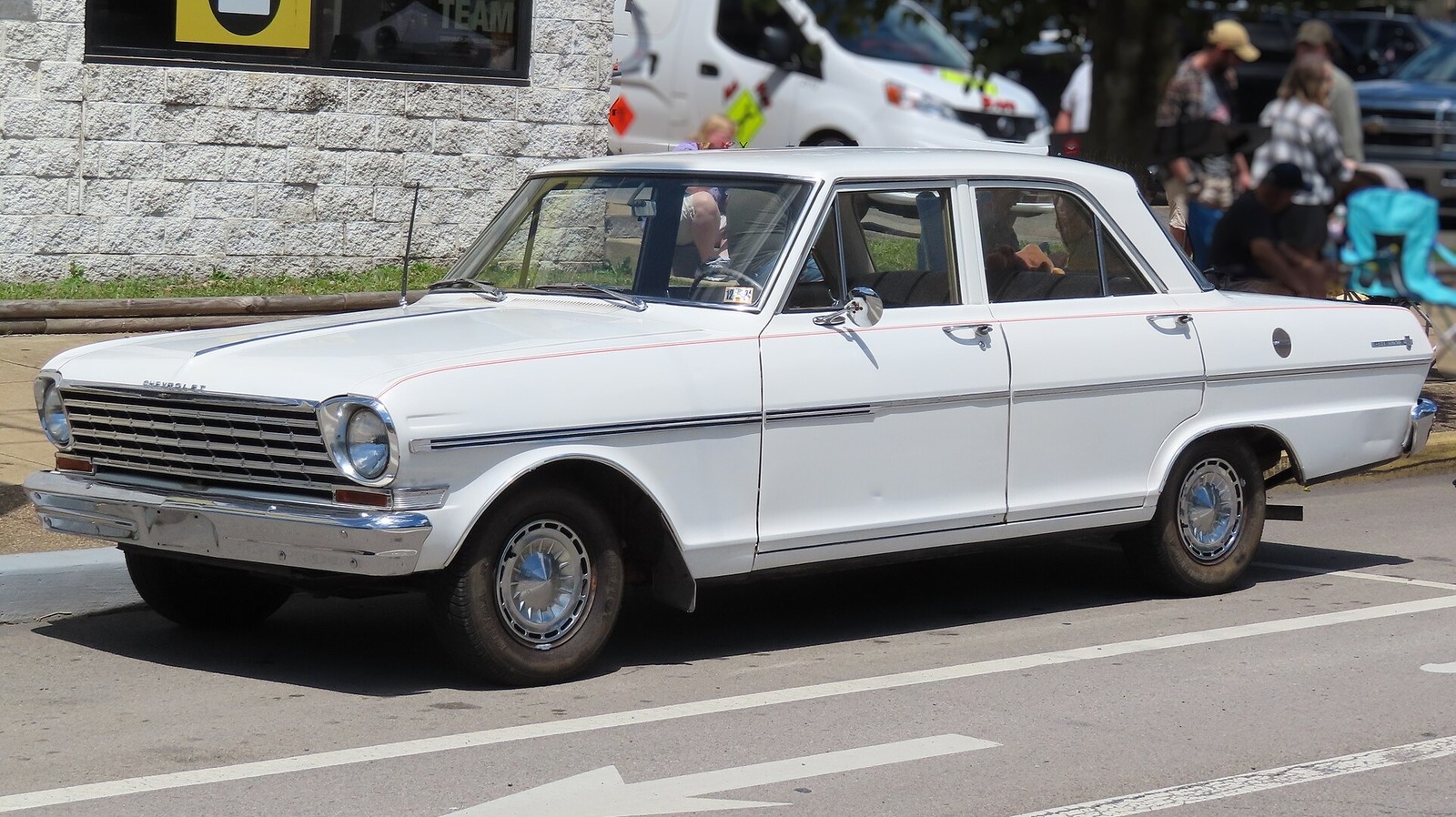
Chevrolet compressed 18 months of work into what typically took three years. The automaker built the 1962 Chevy II Nova specifically to counter Ford's runaway success with the Falcon, which had captured the compact car segment after launching in 1960.
Ford's Falcon rewrote the playbook. It arrived as an affordable, simple alternative to full-size sedans and immediately gained traction with families and first-time buyers. Sales soared past 400,000 units in the first year alone. General Motors watched its market share slip in the compact segment and moved decisively.
Chevrolet's response streamlined every step. Engineers reused existing platforms and powertrains rather than designing from scratch. The Nova borrowed heavily from the Corvair's chassis architecture while accepting a conventional inline-six engine. This pragmatic engineering cut development cycles dramatically. Interior components came from the parts bin. Suppliers accelerated tooling. Assembly lines prepared in parallel rather than sequentially.
The Chevy II Nova launched in September 1961 as a 1962 model, hitting showrooms while the market remained hungry for small, economical cars. Chevrolet equipped it with a 120-horsepower inline-six and offered buyers clean, straightforward styling that undercut the Falcon's price. The Nova's wheelbase measured 110 inches, fitting neatly between economy and intermediate segments.
Sales validated the rush. The Nova moved over 300,000 units in its first two years, reclaiming market position for Chevrolet in compacts. It established a nameplate that would outlast the Falcon by decades. The Nova remained in production through 1979, spawning multiple generations and body styles.
This compressed development became a cautionary tale in the industry. Rushing products to market introduced quality control challenges and limited refinement.