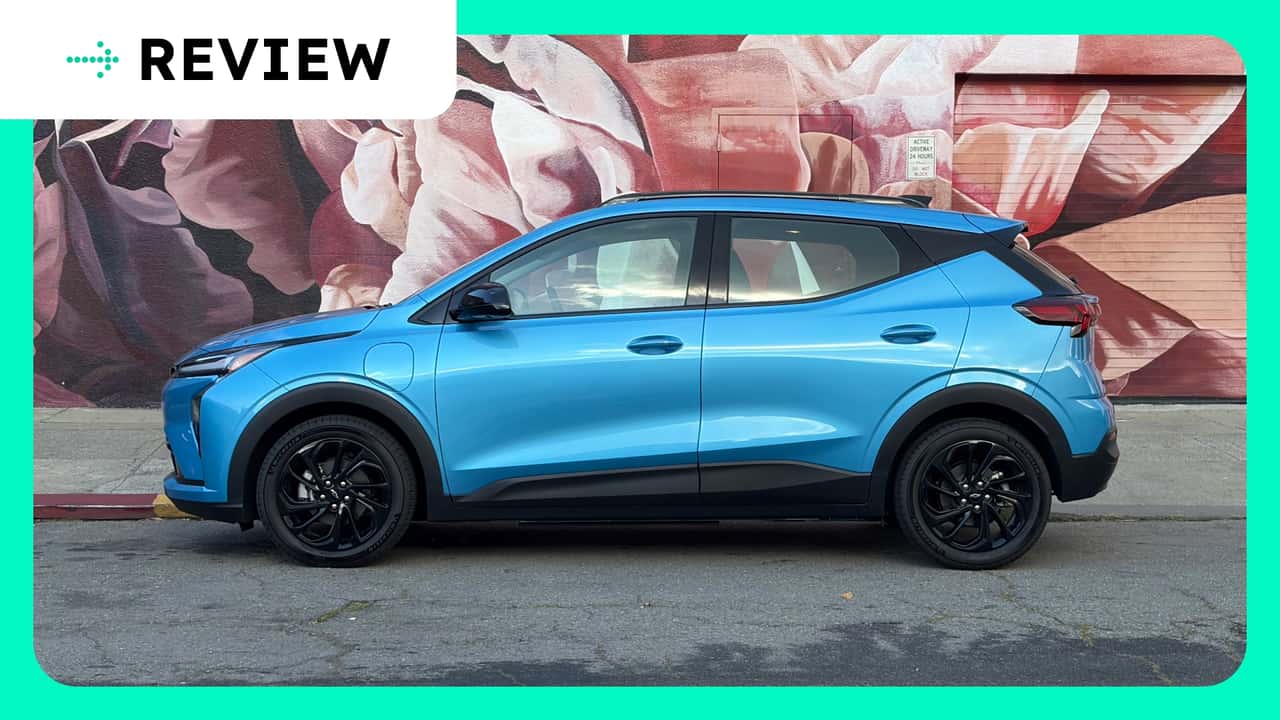
Chevrolet's redesigned 2027 Bolt EV delivers brisk acceleration and practical cargo space, but its cabin materials betray its entry-level pricing strategy.
The new Bolt packs genuine performance credentials. Its electric powertrain produces responsive acceleration that surprises drivers expecting a budget EV to feel sluggish. Chevrolet's infotainment system ranks among the segment's best, offering intuitive controls and crisp graphics that match systems found in pricier competitors.
Interior packaging stands out as a genuine strength. The Bolt maximizes usable space through clever design, offering storage compartments and legroom that rival vehicles costing thousands more. Rear passengers enjoy unexpected comfort, and the flat floor helps cargo utility. For buyers prioritizing practicality over prestige, this spatial efficiency justifies the purchase.
The compromise lies in material quality. Hard plastics dominate the cabin surfaces. Dashboard panels, door cards, and center console trim feel thin and brittle rather than substantial. Touchpoints lack the soft-touch finishes found in competitors like the Hyundai Ioniq 6 or Tesla Model 3. This cost-cutting approach reinforces the Bolt's budget positioning but undermines the overall cabin ambiance.
Chevrolet appears to have made deliberate trade-offs. Engineers invested in powertrain responsiveness, infotainment technology, and interior space while cutting corners on material sourcing and cabin acoustics. This strategy works for value-conscious EV shoppers who prioritize function over feel.
The 2027 Bolt occupies a specific market lane. It beats most competitors on cargo versatility and infotainment usability. Its acceleration satisfies daily driving demands. But drivers expecting cabin refinement comparable to non-budget segments will feel disappointed. The interior honestly reflects the vehicle's sub-$30,000 starting price