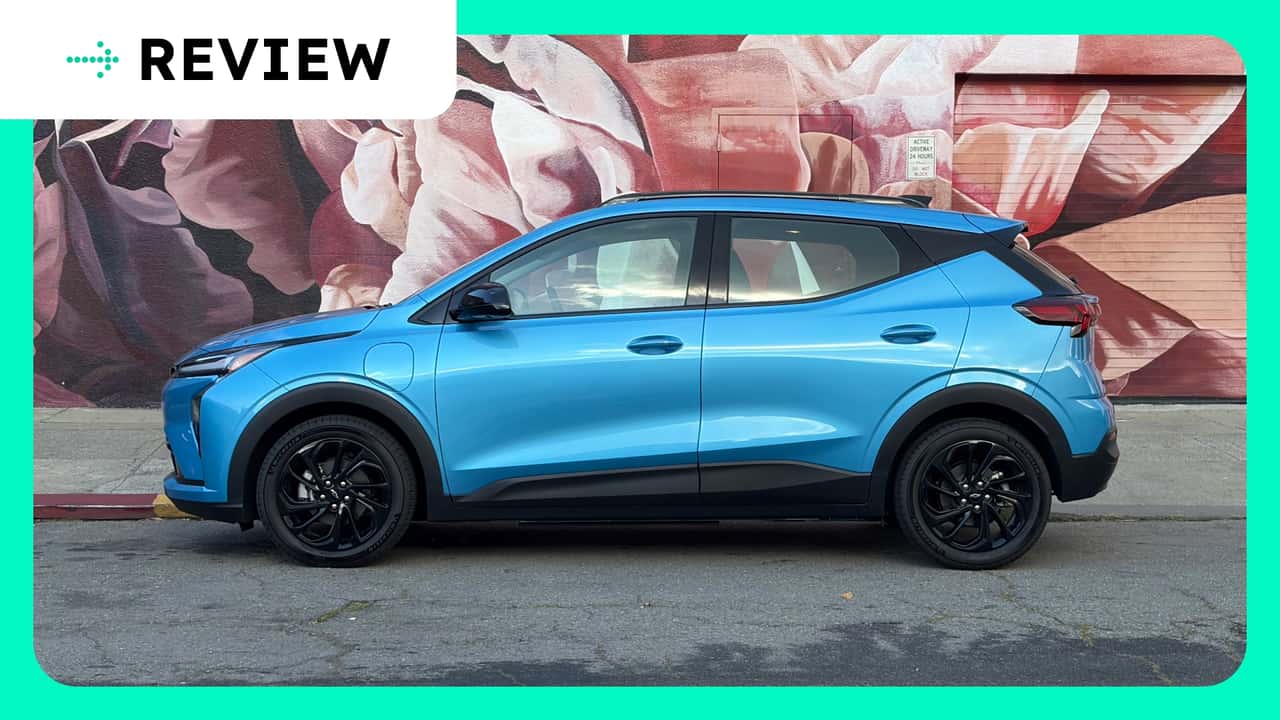
General Motors resurrected the Chevy Bolt for 2027 after a three-year hiatus, and early drives confirm the comeback vehicle hits harder than expected. The revived hatchback delivers genuine acceleration that feels responsive off the line, a trait many affordable EVs lack. The infotainment system impresses with intuitive controls and a modern interface that doesn't frustrate drivers navigating daily routes.
Space defines the Bolt's appeal at this price point. The hatchback layout maximizes cargo room and rear legroom in a footprint smaller than rivals like the Tesla Model Y. Passengers and luggage fit comfortably without the bloat of larger crossovers.
The weaknesses emerge in expected areas. Battery range likely falls short of segment leaders, a persistent issue for value-focused EVs competing against established Tesla products. Real-world efficiency probably disappoints drivers hoping to stretch charge cycles on highways. Build quality and interior material choices reflect the budget positioning, with harder plastics and fewer premium touches than competitors charging significantly more.
The Bolt targets practical buyers who prioritize affordability and city driving over long-range capability or luxury appointments. It fills a gap GM abandoned when production stopped in 2023, directly competing against the Model 3 and emerging Chinese EV imports gaining U.S. traction. Chevrolet's reputation for attainable transportation gives the Bolt credibility in the mass market.
The 2027 model proves GM can engineer spirited performance into an entry-level package without cutting all corners. Whether that formula commands sales depends on pricing and dealer availability. The EV transition still rewards manufacturers who balance feature sets with realistic customer budgets. The Bolt's resurrection suggests Detroit learned that lesson.