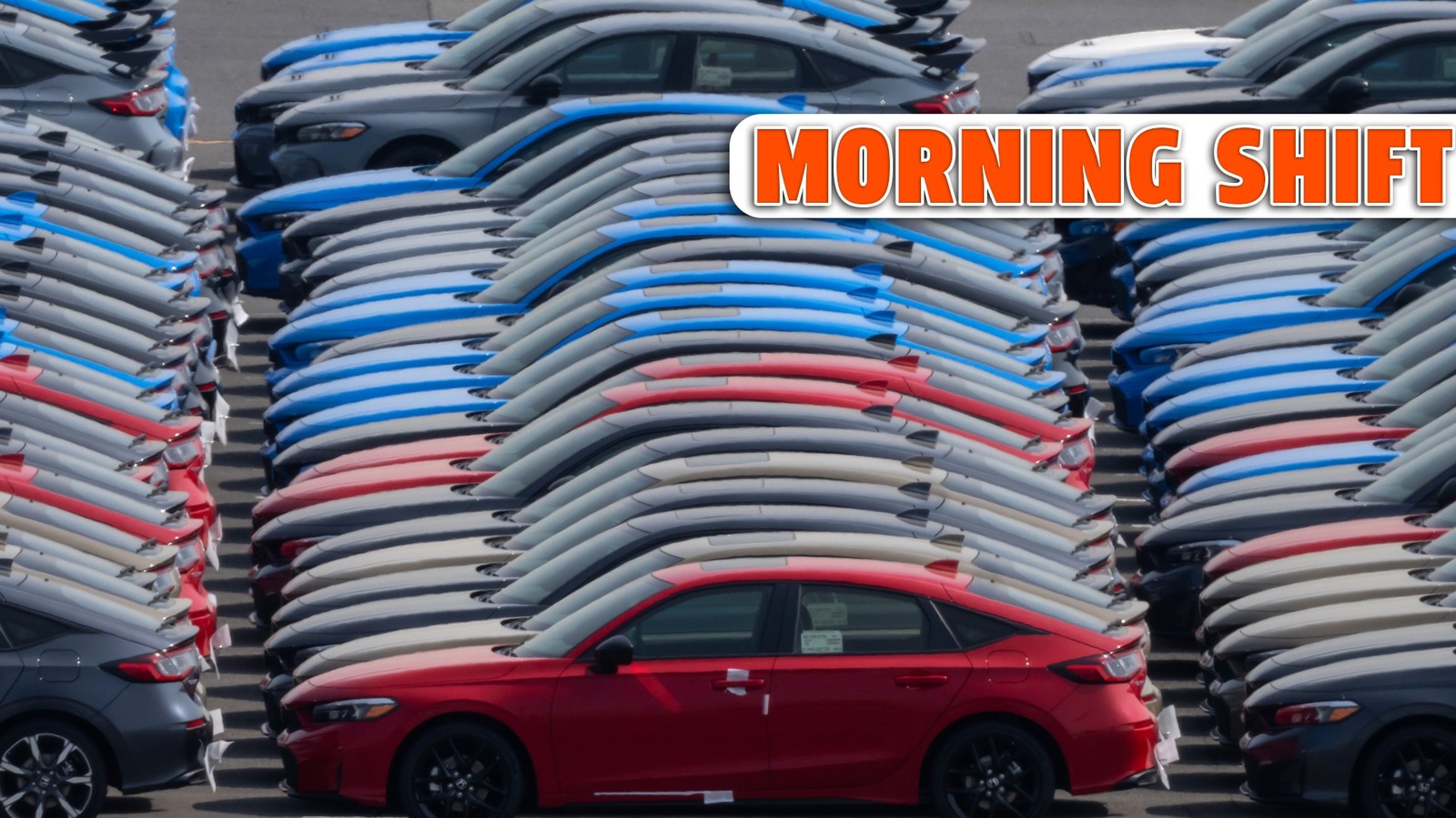
Japanese automakers face substantial tariff exposure under Trump administration policies, with analysts estimating combined additional costs reaching $40 billion. This figure reflects the potential impact of proposed tariffs on imported vehicles and components, a threat that looms large for Toyota, Honda, Nissan, Subaru, Mazda, and Mitsubishi.
The tariff structure creates a squeeze on Japanese manufacturers operating U.S. plants and those importing finished vehicles. Companies like Honda and Toyota operate major assembly facilities across North America, but they still source components globally and import vehicles built in Japan. Subaru, which builds the Ascent SUV at its Indiana plant, now plans to export that model back to Japan, a logistical shift that speaks to the competitive pressures reshaping production strategies.
Subaru's move signals how tariff threats force carmakers to recalculate where assembly happens and which markets get which products. The Ascent, developed for American buyers but increasingly priced out by potential U.S. tariffs on components, becomes viable as an export to Japan where domestic competitors dominate.
Meanwhile, the autonomous vehicle sector continues evolving. Waymo announced a $30 monthly membership program, bringing robotaxi services closer to mainstream adoption. This subscription model targets regular commuters and frequent riders, pricing autonomous rides competitively against traditional ridesharing while building predictable revenue streams.
The $40 billion tariff estimate reflects the scale of disruption facing Japanese automakers. Some will absorb costs and compress margins. Others will accelerate production shifts to North American plants or raise prices, passing costs to American consumers. Toyota, Honda, and Nissan have already announced U.S. plant investments, but tariffs could force acceleration of these timelines.
For consumers, the near-term impact means either higher vehicle prices or reduced model availability as Japanese brands rationalize their U.S. line