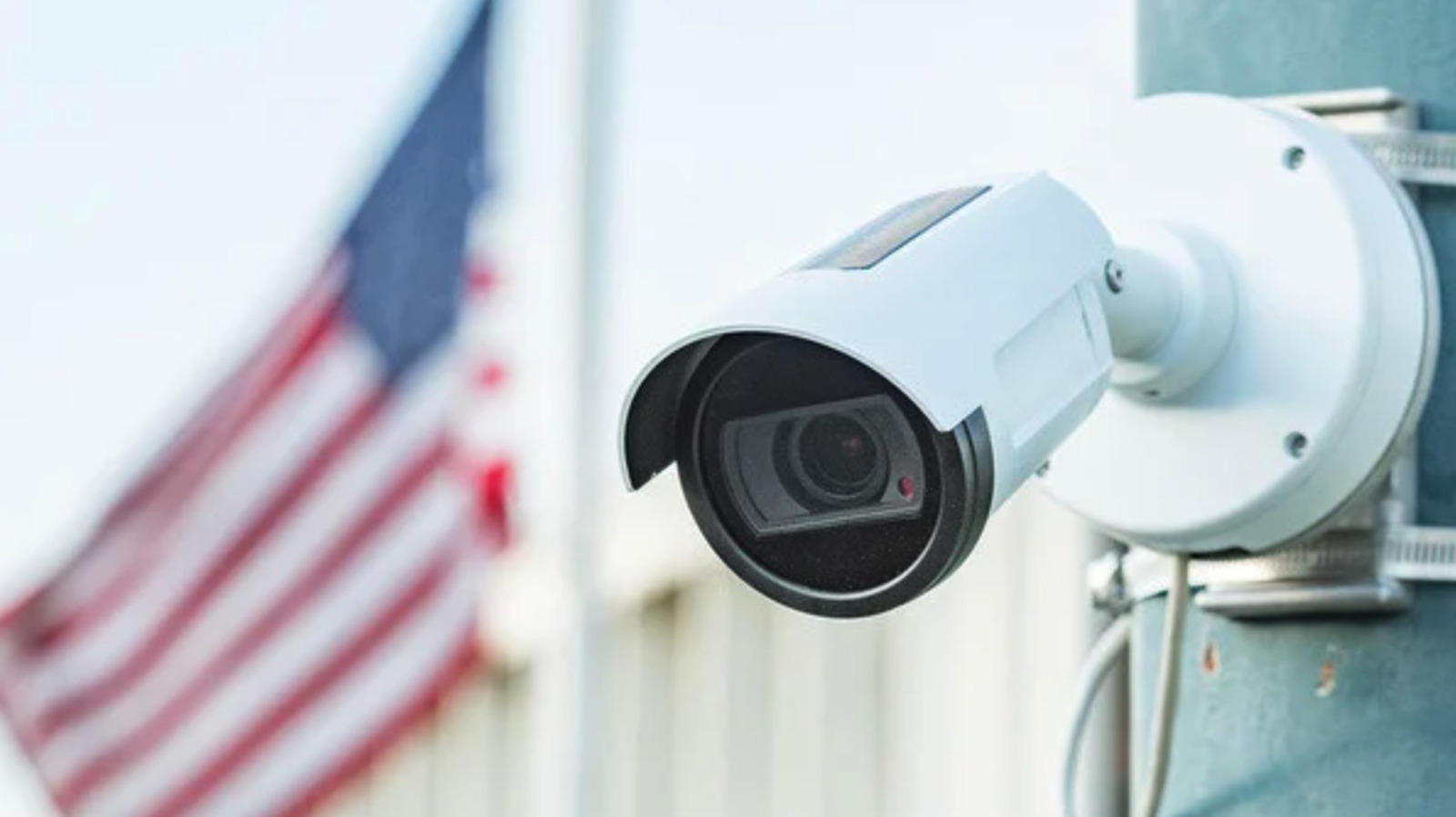
Law enforcement agencies now have access to surveillance technology that extends far beyond traditional license plate readers. Private companies are developing systems that combine smartphone location data, RFID chip tracking, and vehicle information databases to create detailed "electronic signatures" of individual drivers and their movements.
This layered approach gives police unprecedented visibility into travel patterns. Rather than capturing a single moment when a license plate passes a camera, these systems build comprehensive profiles by cross-referencing multiple data streams. A vehicle's movements can be tracked across wider areas and longer time periods, with authorities able to correlate smartphone data, toll records, and RFID tags embedded in licenses or vehicle components.
The technology raises serious privacy concerns. Unlike traditional plate readers that capture visible information, this surveillance operates largely invisibly. Drivers have no way to know when their location data is being collected or how long authorities retain it. The integration of personal smartphone data with vehicle tracking creates a dual-layer surveillance net that captures movements regardless of which device you're carrying.
Private companies developing these systems face minimal regulatory oversight. They sell the technology to law enforcement without clear standards governing data retention, access controls, or accuracy thresholds. Once deployed, these systems generate massive databases that can be queried for historical data, effectively creating a searchable record of where millions of people have been.
The technology represents a significant escalation in investigative capabilities. Agencies can now track suspects with precision that would have required intensive manual surveillance decades ago. But the same tools that help locate criminals also create a pathway for mass tracking of innocent drivers. Without strict legal frameworks governing deployment and access, electronic signatures could become permanent records of American movement patterns available to any law enforcement agency with database access.