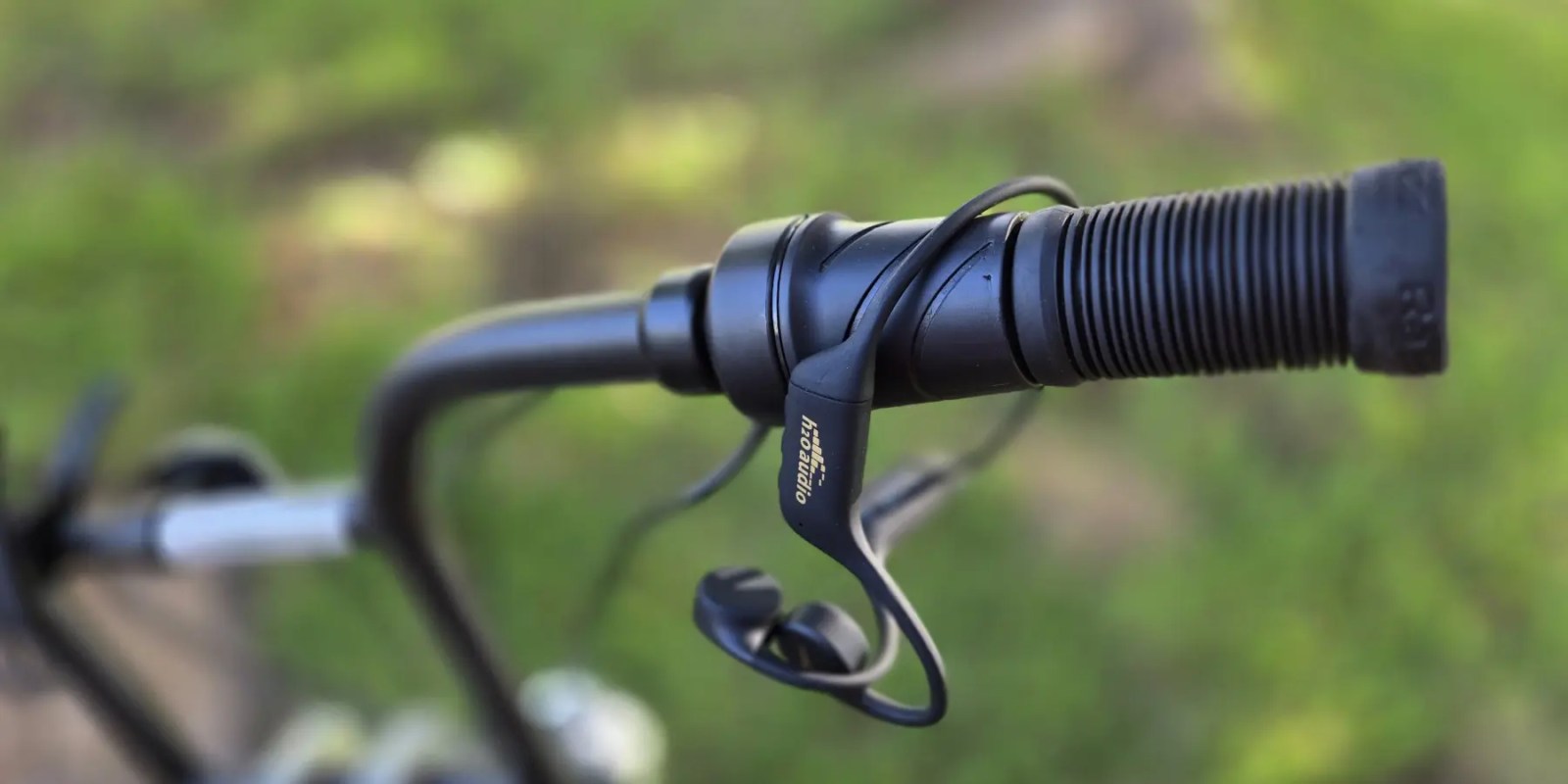
H2O Audio's TRI 2 bone conduction headphones address a real safety problem for cyclists. Traditional earbuds isolate riders from traffic and ambient sound, creating dangerous blind spots during commutes and recreational rides. Bone conduction technology keeps ears open while delivering audio directly through vibrations against the skull.
The TRI 2 sits at the intersection of e-bike culture and personal audio. Unlike standard headphones that seal the ear canal, bone conduction leaves the ear open for engine noise, horns, and other critical environmental cues. This matters for riders on busy streets or trails where unexpected obstacles appear.
Bone conduction headphones have gained traction in active sports for exactly this reason. Cyclists, runners, and triathletes use them to stay aware while consuming content. The TRI 2 targets riders who won't compromise on either safety or entertainment during their time on e-bikes.
The challenge with bone conduction remains audio quality. Directional vibration can't match the fidelity of sealed earbuds, and bass response suffers. But for podcasts, audiobooks, and casual music listening during rides, the trade-off makes sense. The safety benefit outweighs minor sound quality losses.
E-bike adoption has surged in urban areas, and riders increasingly treat these vehicles as commuting tools rather than niche novelties. That shift creates demand for accessories that serve dual purposes. H2O Audio's TRI 2 acknowledges this reality. Riders want their content without sacrificing the awareness that keeps them alive in traffic.
The broader trend shows accessory makers targeting e-bike commuters as a distinct market segment with specific needs. Safety-first audio sits alongside integrated lights, mirrors, and GPS units designed for urban riding. The TRI 2 fits cleanly into that ecosystem, solving a genuine problem that traditional headphones create on