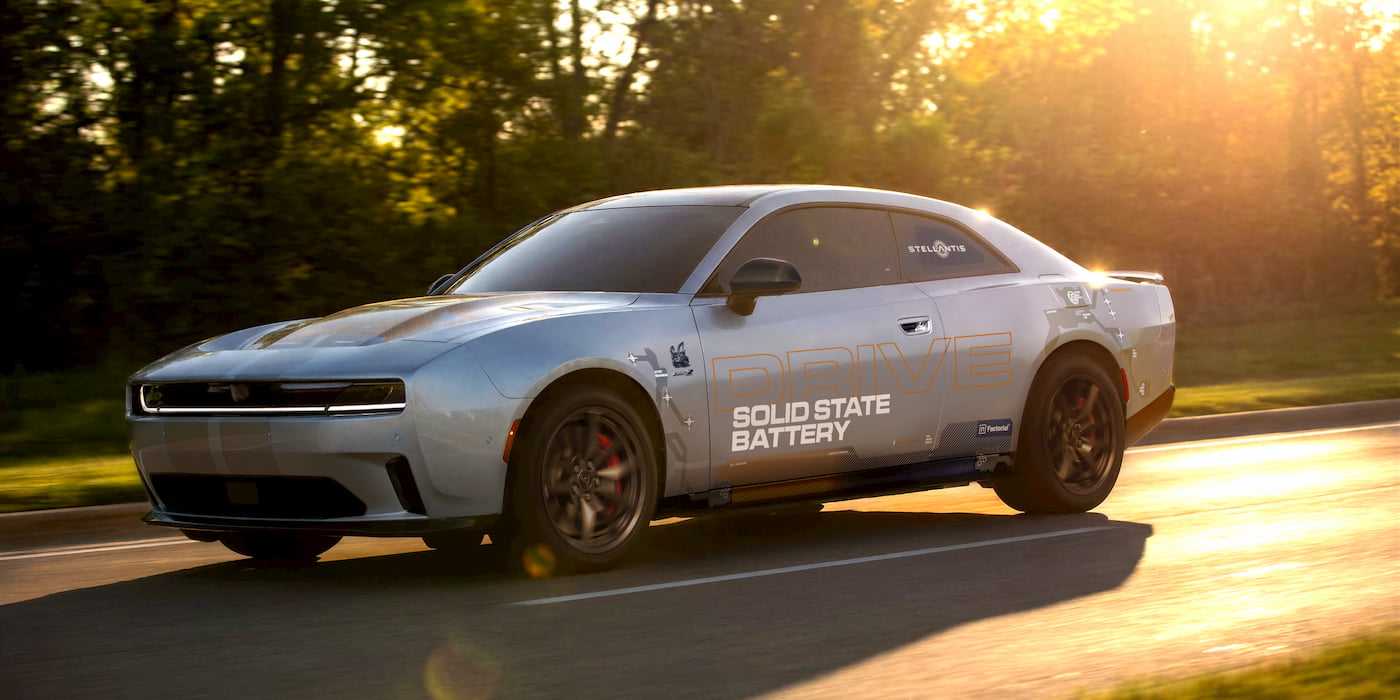
Solid-state batteries have moved from laboratory prototypes to real-world road testing in North America. This milestone represents a decisive shift in EV battery technology after years of development promises.
Solid-state batteries replace the liquid electrolyte in conventional lithium-ion cells with a solid material. This design eliminates flammability risks, enables denser energy storage, and allows manufacturers to pack more power into smaller packages. The result: vehicles travel farther on a single charge, recharge in minutes rather than hours, and cost less to produce.
Toyota, QuantumScape, and Samsung have all advanced solid-state development programs. Toyota targets production deployment by 2027 in select models. QuantumScape, backed by Volkswagen, has been fabricating prototype cells at scale. Samsung recently demonstrated prototype cells with energy density exceeding 900 watt-hours per liter.
The industry significance runs deep. Current lithium-ion cells hit performance plateaus around 300-400 miles of range per charge. Solid-state technology clears that ceiling. A Tesla Model 3 equivalent could exceed 500 miles. Charging times could drop to 10-15 minutes versus 30-45 minutes today. Manufacturing costs per kilowatt-hour decrease because solid-state packs require fewer cells to hit range targets.
Competitors face mounting pressure. Tesla, Lucid, and traditional automakers know solid-state adoption determines market position by 2030. Lucid already uses semi-solid batteries in current Air models. Hyundai and Kia jointly develop solid-state cells with Samsung. BMW commits to solid-state deployment in the iX by 2030.
Road testing validates performance under real conditions. Heat cycling, vibration, humidity, and temperature swings stress batteries differently than controlled environments. Successful North American trials prove durability and