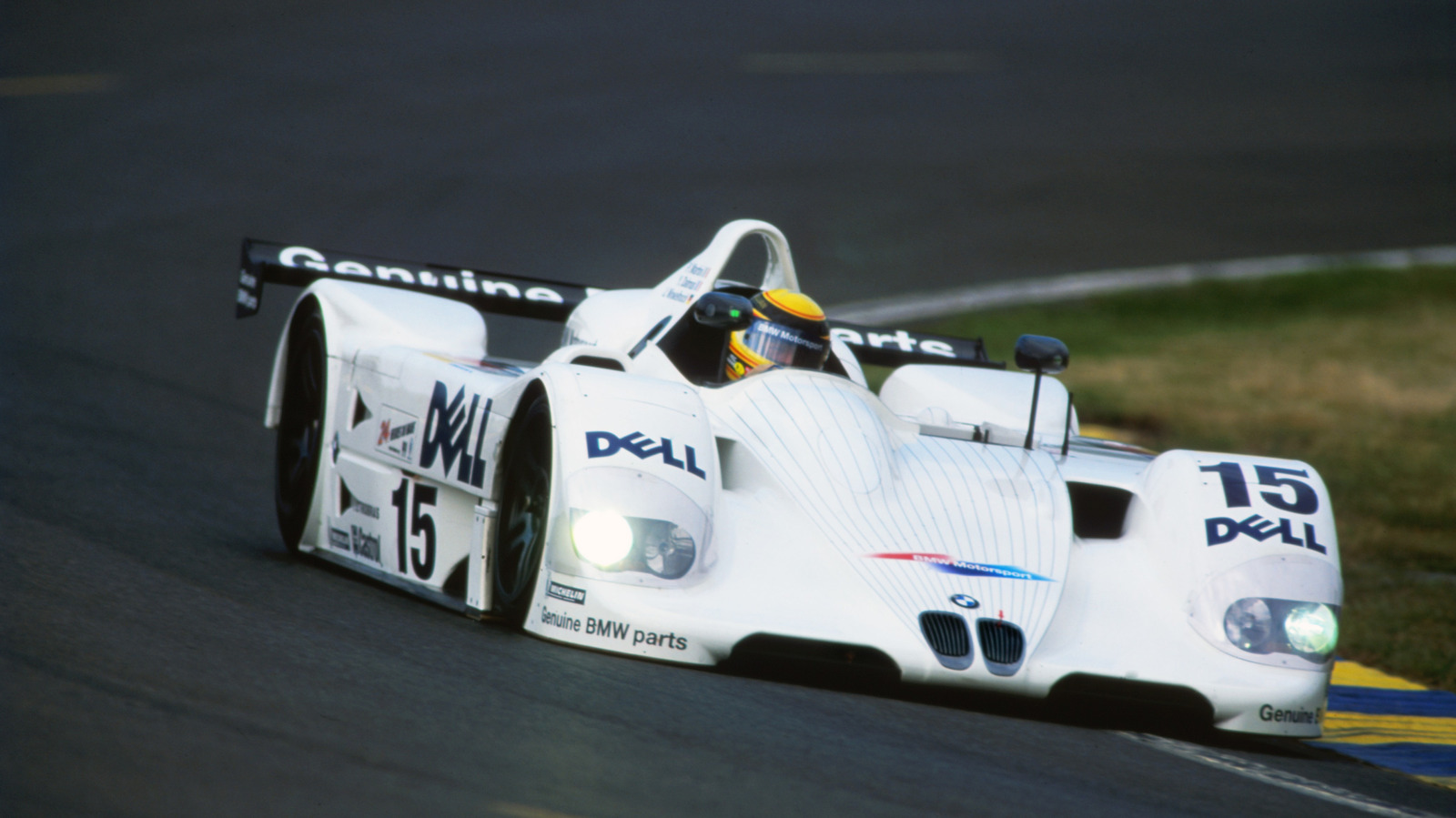
Jalopnik asked its readers to vote on their favorite Le Mans race cars, and the response revealed deep affection for machines spanning multiple eras and competition classes. Readers submitted votes across decades, from the earliest endurance racers through modern hypercars, reflecting the 24 Hours of Le Mans' evolution as motorsport's most demanding test.
Le Mans represents the purest form of automotive engineering under real-world conditions. Cars must survive 24 straight hours at racing pace, balancing raw speed with reliability, fuel efficiency, and driver comfort across three rotating pilots. This constraint forces manufacturers to innovate in ways road cars eventually inherit.
The breadth of favorites suggests Le Mans fans value different attributes across generations. Classic entries likely included the Porsche 917, which dominated the 1970s with its flat-12 engine and fearless aerodynamics. The Jaguar D-Type and Lotus Elite probably earned votes for their elegant design and technological boldness relative to their era. More recent selections likely featured the Audi R8 and R15 diesels, which proved turbocharged efficiency could beat naturally aspirated power, and the current generation of hybrid hypercars like the Toyota GR010 Hybrid and Ferrari 499P.
What unites these choices is their DNA. Winning Le Mans doesn't just build brand prestige. It forces engineers to solve problems that trickle down into production cars. Porsche's 911 exists because the company raced at Le Mans. Audi's TDI diesel technology matured through competition there. Toyota's hybrid expertise sharpened in the prototype class.
Reader favorites typically cluster around cars that defined their era or achieved dominant success. A Le Mans legend isn't just fast. It advances the sport and proves a manufacturer's commitment to engineering excellence when everything matters most. That's why the