# Vintage Automaking Documentary Reveals Industrial Conditions Predating Modern Safety Standards
A newly available streaming video documents automobile manufacturing from nearly a century ago, capturing production methods that operated in stark contrast to modern workplace safety regulations.
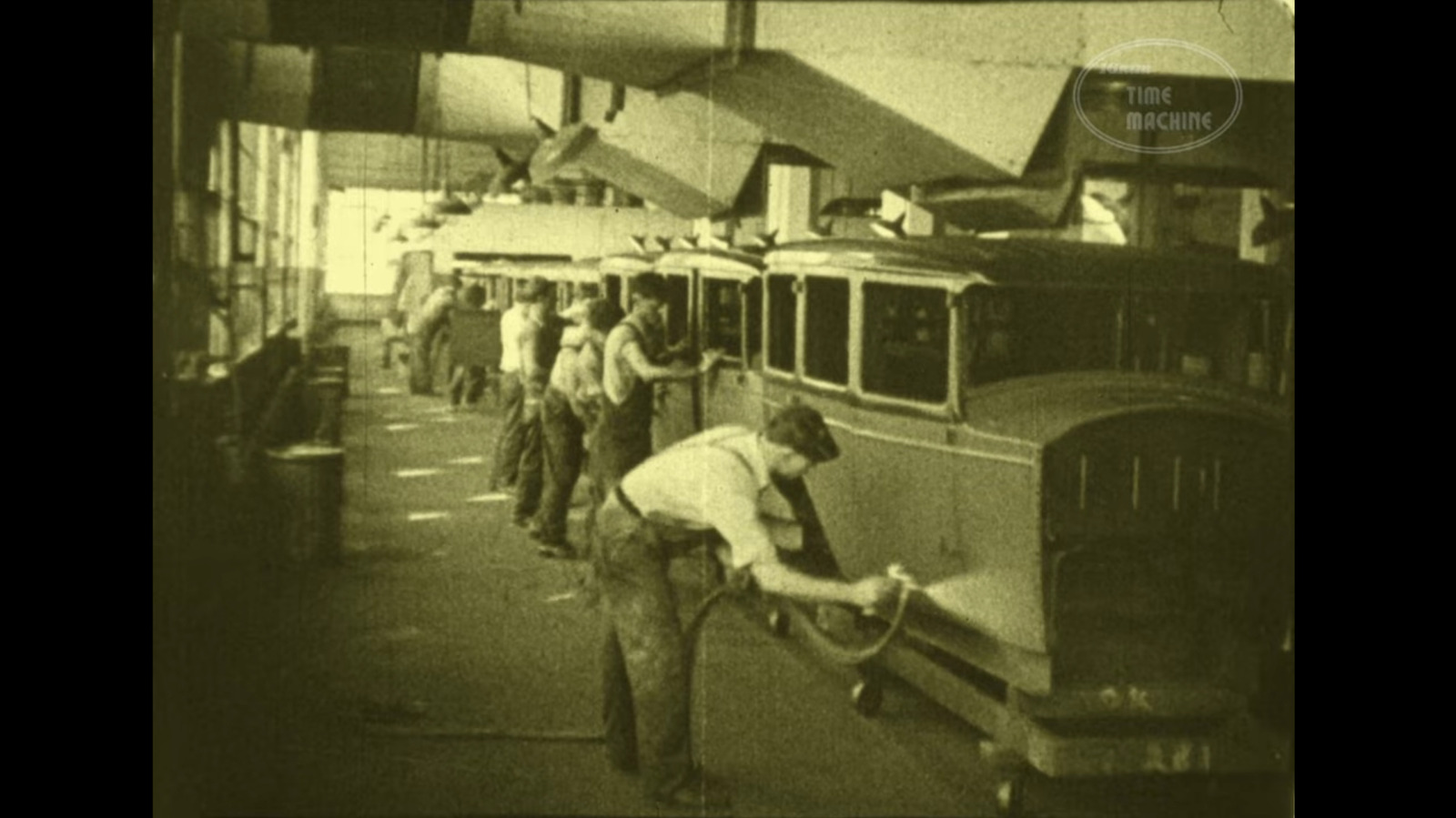
The footage provides a window into factory floors where workers assembled cars without the protections established by the Occupational Safety and Health Administration. OSHA didn't exist until 1970, meaning early automotive manufacturing happened in environments that would face immediate violations today. Workers handled materials, operated machinery, and performed assembly tasks with minimal safety equipment or guardrails.
What strikes viewers most is the sheer complexity of early car construction. The video showcases the intricate supply chain and material diversity required to build a functional automobile, even in that era. Workers managed metal components, wood, leather, glass, and rubber in coordinated assembly sequences. Each role demanded specific skill and precision, yet workers performed these tasks under conditions modern labor standards would prohibit entirely.
The historical documentation serves as an unintended commentary on industrial progress. Manufacturing efficiency has improved dramatically, but so have worker protections. Modern automotive plants enforce strict safety protocols, use automation for dangerous tasks, and provide workers with comprehensive protective equipment. The contrast reveals how much labor law evolution shaped the industry.
For automotive enthusiasts, the video offers technical insight into production techniques that predate modern manufacturing philosophy. Hand-fitting components, manual assembly processes, and craftsmanship-heavy approaches dominated early car building. Today's robots and precision tooling eliminated much of this human labor, along with associated dangers.
Streaming platforms now make these historical records widely accessible, allowing new audiences to witness how far manufacturing has progressed. The footage serves dual purposes: appreciating the engineering ingenuity of early automobiles while acknowledging the human cost of pre-regulation industrial work. This visual history underscores why workplace safety standards emerged as necessary evolution rather than bureaucratic burden.