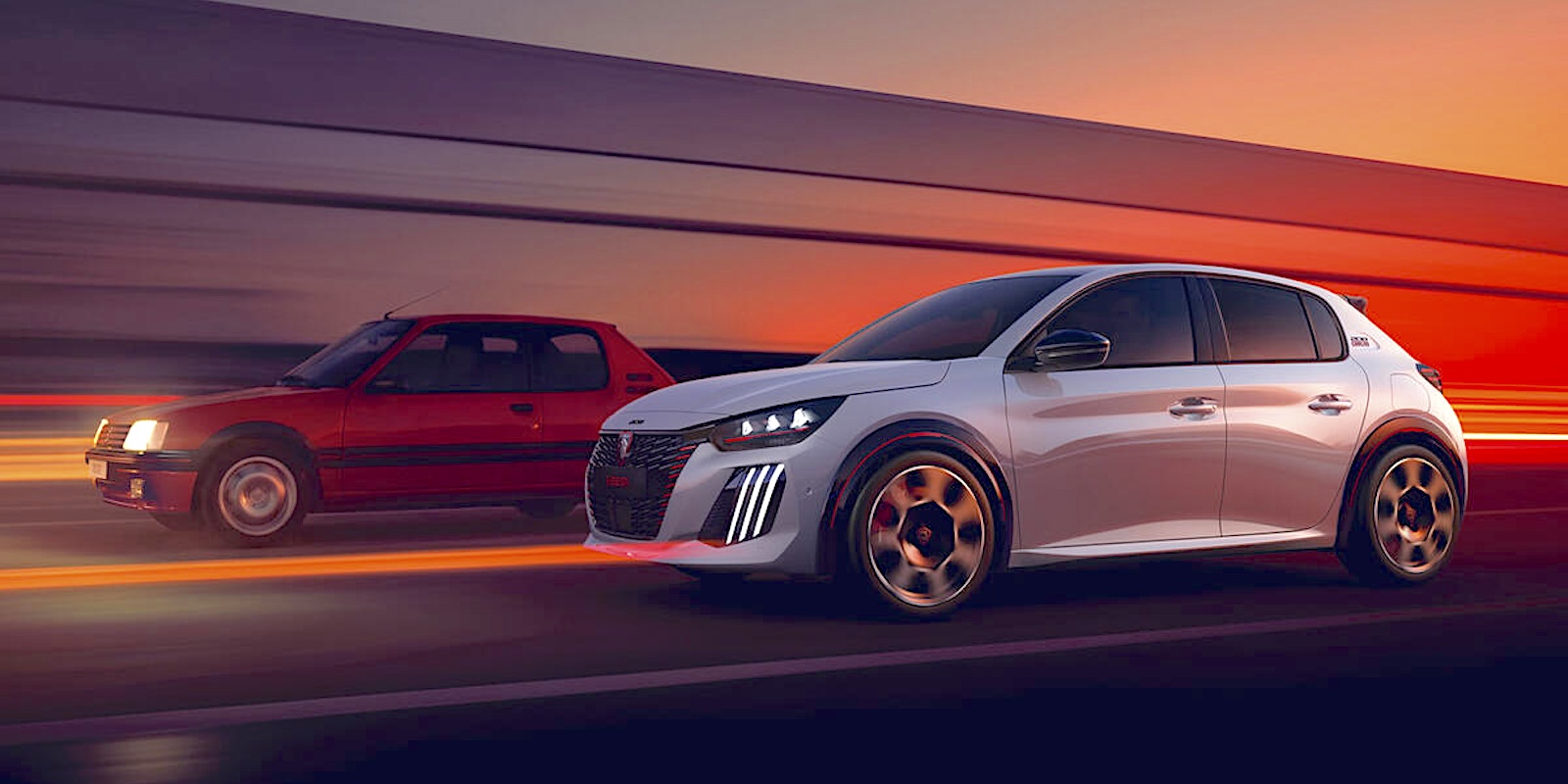
Peugeot revives the GTi nameplate with a fully electric E-208 GTi, debuting at the 24 Hours of LeMans this weekend. The compact hatchback delivers 280 horsepower from its electric powertrain, positioning itself as a modern successor to the brand's performance heritage.
The E-208 GTi joins a growing wave of electrified hot hatch revivals. Lancia and Renault have already reintroduced their own iconic performance models with battery power, signaling an industry shift toward performance without internal combustion. These resurrections aim to preserve storied nameplates while meeting emissions regulations that make gas-powered city cars increasingly untenable.
Peugeot's decision to launch at Le Mans carries symbolic weight. The circuit represents motorsport pedigree, and displaying the E-208 GTi there underscores the brand's commitment to performance electrification. The 280 hp output positions the car competitively within the compact hot hatch segment, where it will compete against established rivals like the Volkswagen ID.3 GTx and upcoming electric versions of traditional performance hatchbacks.
The E-208 GTi represents a calculated bet on enthusiast buyers willing to embrace electric drivetrains. Hot hatch owners typically prioritize quick acceleration and responsive handling over raw power, traits electric motors deliver naturally through instant torque delivery. The compact platform favors agility over straight-line dominance, a dynamic that suits electric propulsion well.
This revival trend reflects the industry's reality. Combustion engine enthusiasm faces regulatory headwinds across Europe and beyond. Rather than abandoning performance car lineups entirely, manufacturers are leveraging electric powertrains to keep heritage names alive. The GTi badge carries weight with buyers who grew up with fuel-injected predecessors, and Peuge